The Complete Guide to Accurate Medical Billing and Maximum Reimbursement
In today’s complex healthcare environment, accurate medical coding is one of the most important components of successful revenue cycle management. Healthcare providers, hospitals, clinics, and billing companies depend on proper coding cpt practices to ensure claims are processed correctly, reimbursements are received promptly, and compliance requirements are maintained.
Errors in coding cpt can lead to claim denials, payment delays, compliance risks, audits, and lost revenue. As healthcare regulations continue to evolve, providers must understand the importance of accurate coding and the role it plays in maintaining financial stability.
At Icon Billing LLC, we help healthcare organizations improve revenue cycle performance through professional billing and coding solutions. This comprehensive guide explains everything you need to know about coding cpt, including its purpose, importance, common challenges, compliance considerations, reimbursement impacts, and best practices for success.
What Is Coding CPT?
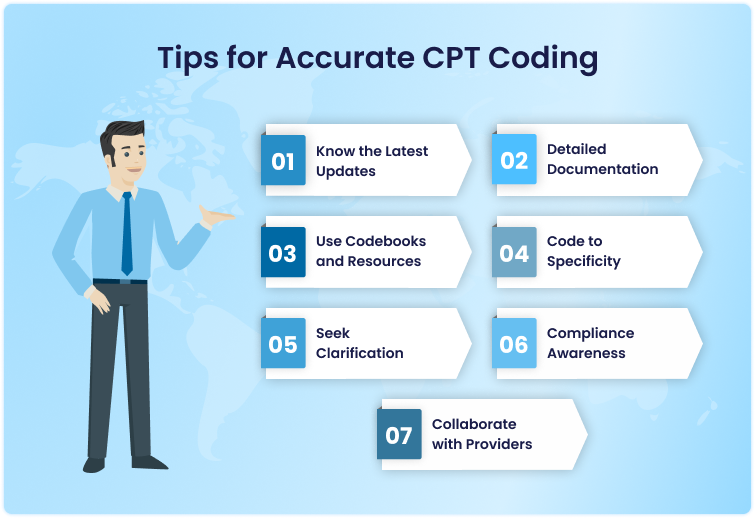
Coding cpt refers to the process of assigning Current Procedural Terminology (CPT) codes to medical procedures, services, and treatments provided by healthcare professionals.
CPT codes are standardized codes used throughout the healthcare industry to describe:
- Medical procedures
- Surgical services
- Diagnostic testing
- Evaluation and management services
- Preventive care
- Specialty treatments
Accurate coding cpt ensures healthcare providers communicate services consistently to insurance companies, government programs, and other payers.
Without proper coding cpt, claims cannot be processed correctly, resulting in reimbursement challenges.
Why Coding CPT Is Important
The importance of coding cpt extends beyond simple claim submission.
Accurate coding supports:
Proper Reimbursement
Insurance companies rely on coding cpt to determine payment amounts.
Compliance
Correct coding helps providers comply with regulatory requirements.
Revenue Protection
Accurate coding reduces revenue loss from underbilling or denied claims.
Data Reporting
Healthcare organizations use coding data for quality reporting and analytics.
Audit Readiness
Strong coding cpt practices reduce compliance risks during audits.
Because coding affects nearly every aspect of healthcare reimbursement, maintaining accuracy is essential.
Understanding CPT Codes
To understand coding cpt, it is important to know how CPT codes are organized.
Category I Codes
These codes represent commonly performed medical procedures and services.
Examples include:
- Office visits
- Laboratory testing
- Surgical procedures
- Diagnostic imaging
Category II Codes
These codes support quality measurement initiatives.
Category III Codes
These temporary codes track emerging technologies and procedures.
Professional coding cpt specialists must understand these categories to ensure accurate claim reporting.
The Role of Coding CPT in Medical Billing
Coding cpt serves as the foundation of the medical billing process.
After patient care is delivered:
- Clinical documentation is reviewed.
- Appropriate CPT codes are assigned.
- Claims are prepared and submitted.
- Payers evaluate services reported.
- Reimbursement decisions are made.
Without accurate coding cpt, every subsequent billing step may be affected.
At Icon Billing LLC, we emphasize coding accuracy because it directly influences financial performance.
Common Coding CPT Challenges
Healthcare providers often encounter several challenges involving coding cpt.
Documentation Deficiencies
Incomplete records make accurate code selection difficult.
Frequent Code Updates
Annual coding revisions require ongoing education.
Complex Regulations
Healthcare compliance requirements continue evolving.
Specialty-Specific Requirements
Different specialties may require unique coding expertise.
Human Error
Mistakes in coding cpt can occur without proper review processes.
Addressing these challenges helps improve reimbursement outcomes.
Coding CPT and Claim Denials
One of the most significant consequences of inaccurate coding cpt is claim denial.
Common denial causes include:
| Coding Error | Potential Result |
|---|---|
| Incorrect CPT Code | Claim rejection |
| Missing Documentation | Delayed payment |
| Unbundling Errors | Compliance concerns |
| Duplicate Billing | Denial or audit |
| Invalid Modifiers | Reduced reimbursement |
Proper coding cpt practices significantly reduce denial rates and improve cash flow.
Coding CPT and Revenue Cycle Management
Effective coding cpt directly supports revenue cycle management.
Benefits include:
Faster Payments
Accurate claims process more efficiently.
Reduced Rework
Correct coding minimizes resubmissions.
Higher Reimbursement
Appropriate coding supports accurate payment levels.
Improved Financial Performance
Organizations experience stronger revenue outcomes.
Healthcare providers that invest in quality coding cpt often achieve better operational efficiency.
The Importance of Documentation in Coding CPT
Documentation and coding cpt work together closely.
Coders must rely on clinical records to assign accurate CPT codes.
Important documentation elements include:
Provider Notes
Detailed encounter information supports coding accuracy.
Procedure Reports
Operative and treatment reports guide code selection.
Diagnostic Information
Supporting diagnoses help justify services provided.
Medical Necessity Documentation
Payers often review necessity when evaluating claims.
Strong documentation improves the effectiveness of coding cpt programs.
Coding CPT Compliance Requirements
Compliance remains a major consideration in coding cpt.
Healthcare organizations must follow:
- Medicare guidelines
- Medicaid requirements
- Commercial payer rules
- Federal regulations
- Industry standards
Compliance-focused coding-cpt helps reduce risks involving:
Audits
Regulatory reviews may examine coding practices.
Overpayments
Incorrect coding may result in repayment obligations.
Penalties
Serious compliance violations can create financial consequences.
Reputation Risks
Coding issues may affect organizational credibility.
Professional coding oversight supports long-term compliance.
Coding-CPT and Specialty Practices
Different specialties require specialized coding-cpt expertise.
Examples include:
Family Medicine
Evaluation and management coding is critical.
Cardiology
Complex diagnostic and procedural coding often applies.
Orthopedics
Surgical coding accuracy significantly affects reimbursement.
Behavioral Health
Documentation and coding requirements differ from other specialties.
Physical Therapy
Treatment coding often involves time-based reporting.
Specialty-specific expertise helps optimize reimbursement outcomes.
Technology and Coding-CPT
Technology continues transforming coding-cpt operations.
Modern solutions include:
Electronic Health Records
Integrated systems improve coding workflows.
Computer-Assisted Coding
Automation helps identify potential coding options.
Artificial Intelligence
AI tools support coding accuracy and efficiency.
Revenue Cycle Platforms
Integrated systems improve claim management.
Technology enhances coding-cpt performance while reducing administrative burdens.
Best Practices for Coding-CPT Accuracy
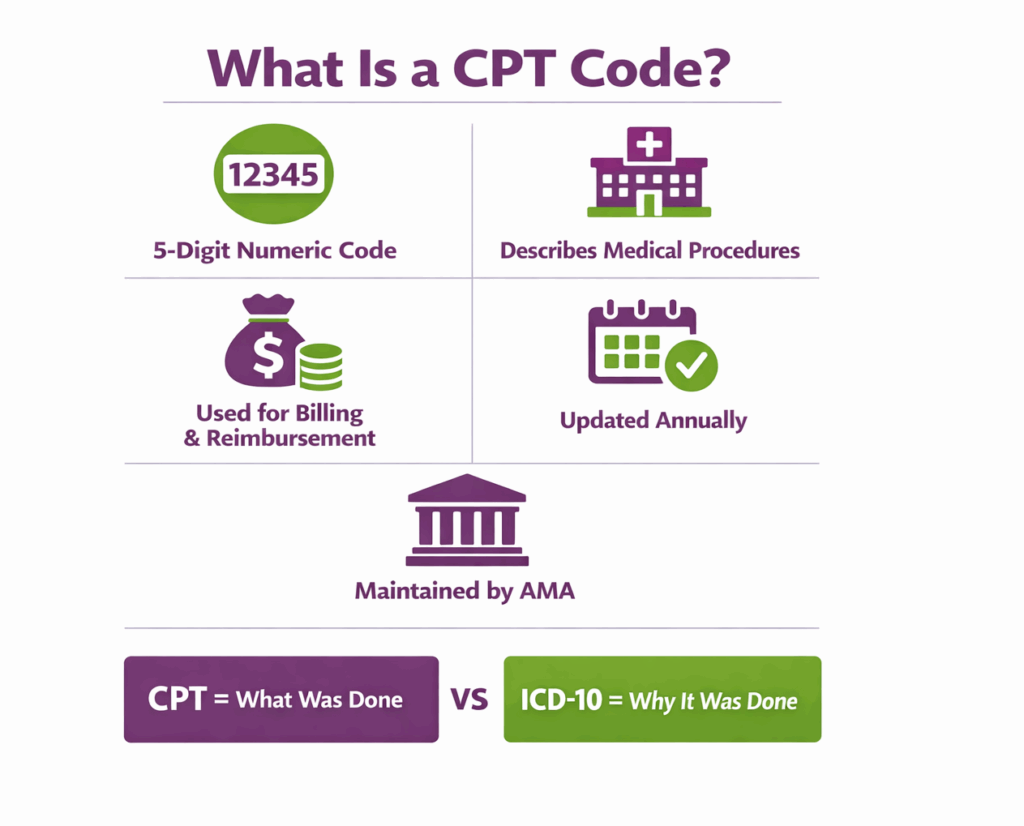
Organizations seeking stronger coding performance should follow proven best practices.
Ongoing Education
Coders must stay current with annual updates.
Documentation Improvement
Providers should maintain complete clinical records.
Internal Audits
Regular reviews identify improvement opportunities.
Compliance Monitoring
Organizations should evaluate coding consistency.
Experienced Coding Teams
Qualified professionals improve coding accuracy.
These strategies strengthen coding-cpt programs and support revenue growth.
How Outsourcing Coding-CPT Helps Providers
Many healthcare organizations choose outsourced coding-cpt services.
Benefits include:
| Outsourcing Benefit | Organizational Impact |
| Coding Expertise | Improved accuracy |
| Lower Administrative Costs | Better efficiency |
| Reduced Denials | Faster reimbursement |
| Compliance Support | Lower risk exposure |
At Icon Billing LLC, we provide professional coding and billing solutions designed to improve financial performance and operational efficiency.
Future Trends in Coding-CPT
Several trends are shaping the future of coding-cpt.
Artificial Intelligence Expansion
AI-driven coding assistance continues evolving.
Greater Automation
Automation improves productivity and consistency.
Enhanced Compliance Monitoring
Advanced analytics support regulatory compliance.
Data-Driven Healthcare
Coding data increasingly supports quality initiatives.
Organizations that embrace innovation will likely achieve stronger revenue cycle performance.
Frequently Asked Questions About Coding-CPT
What is coding-CPT?
Coding-cpt is the process of assigning standardized CPT codes to healthcare services and procedures.
Why is coding-CPT important?
It supports reimbursement, compliance, billing accuracy, and healthcare reporting.
How does coding-CPT affect claim payments?
Insurance companies use CPT codes to determine reimbursement amounts.
Can coding-CPT errors cause denials?
Yes. Incorrect coding is a common cause of claim denials and payment delays.
How often are CPT codes updated?
CPT codes are typically updated annually.
Should providers outsource coding-CPT services?
Many organizations outsource coding-cpt to improve accuracy, compliance, and operational efficiency.
Conclusion
Accurate coding-cpt is one of the most important factors influencing healthcare reimbursement, compliance, and financial success. From claim submission and denial prevention to audit readiness and revenue optimization, effective coding practices support every stage of the revenue cycle.
As healthcare regulations become increasingly complex, providers must prioritize coding accuracy, documentation quality, compliance oversight, and ongoing education. Organizations that invest in strong coding-cpt programs often experience fewer denials, faster reimbursements, improved financial performance, and reduced compliance risks.
At Icon Billing LLC, we specialize in helping healthcare providers strengthen revenue cycle management through professional coding, billing, and compliance services. Our experienced team delivers customized solutions designed to improve operational efficiency, maximize reimbursements, and support long-term organizational success.