10 Powerful Benefits of Medicaid Health Plans That Most Patients Sadly Ignore
Healthcare costs continue to rise across the United States, making affordable medical coverage more important than ever. For millions of Americans, medicaid health plans provide essential healthcare access, financial protection, and peace of mind. Whether someone needs preventive care, emergency treatment, prescription coverage, or long-term healthcare support, medicaid health plans play a critical role in improving health outcomes for individuals and families.
Many patients, providers, and healthcare organizations still misunderstand how medicaid health plans function. Confusion about eligibility, coverage limitations, billing procedures, provider networks, and reimbursement policies often creates frustration for both patients and medical practices.
At Icon Billing LLC, we understand the growing complexity of healthcare reimbursement systems. Medical providers must navigate changing regulations, coding updates, claims management requirements, and payer-specific rules daily. Understanding medicaid health plans is essential not only for patients but also for healthcare organizations seeking accurate reimbursement and efficient revenue cycle management.
This complete guide explains everything you need to know about medicaid health plans, including eligibility, benefits, coverage options, billing processes, provider responsibilities, and common challenges facing the healthcare industry today.
What Are Medicaid Health Plans?
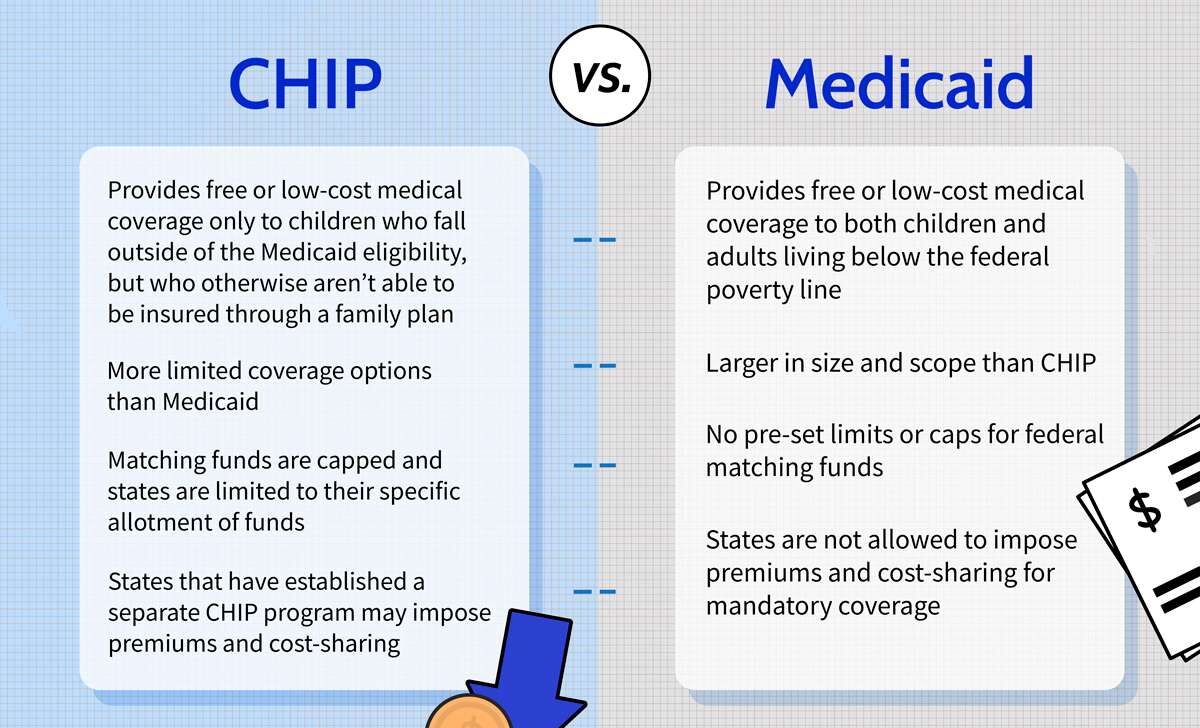
Medicaid health plans are government-supported healthcare coverage programs designed primarily for low-income individuals, families, seniors, pregnant women, children, and people with disabilities. These plans help provide affordable access to medical care for millions of Americans who might otherwise struggle to afford healthcare services.
The Centers for Medicare & Medicaid Services oversees Medicaid at the federal level, while individual states manage their own Medicaid programs within federal guidelines.
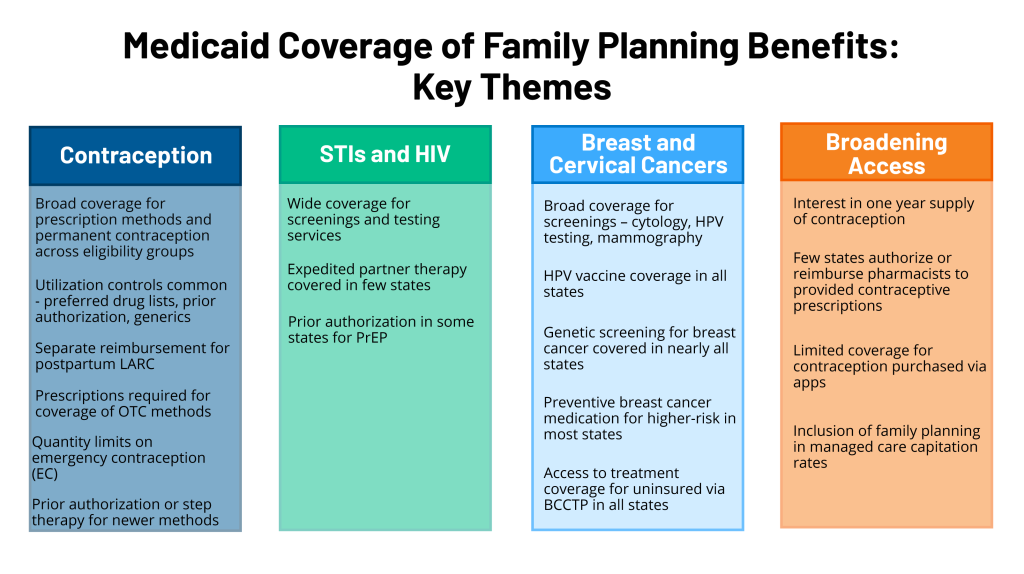
Most medicaid health plans cover essential healthcare services such as:
- Doctor visits
- Hospital care
- Preventive screenings
- Emergency services
- Prescription medications
- Mental health treatment
- Laboratory services
- Maternity care
- Pediatric services
Some states also provide additional benefits through expanded medicaid health plans, including dental care, vision services, transportation assistance, and home healthcare support.
Because Medicaid programs vary by state, coverage rules and eligibility requirements may differ significantly depending on location.
Why Medicaid Health Plans Matter More Than Ever
Healthcare affordability remains one of the biggest concerns for American families today. Rising insurance premiums, deductibles, and medical costs have increased reliance on medicaid health plans nationwide.
These plans help reduce financial barriers that often prevent people from seeking necessary medical care. Without affordable healthcare access, many individuals delay treatment until conditions become severe and more expensive.
Medicaid health plans improve public health outcomes by supporting:
- Early disease detection
- Preventive care access
- Chronic disease management
- Prenatal care
- Vaccination programs
- Mental health treatment
- Reduced hospital readmissions
Healthcare providers also benefit because insured patients are more likely to seek timely treatment and maintain ongoing care relationships.
For medical billing companies like Icon Billing LLC, understanding the structure of medicaid health plans is crucial for accurate claims processing and reimbursement optimization.
Who Qualifies for Medicaid Health Plans?
Eligibility for medicaid health plans depends on several factors, including income level, household size, disability status, age, and state-specific guidelines.
Common groups that may qualify include:
Low-Income Adults
Many states expanded Medicaid eligibility under healthcare reform laws, allowing more low-income adults to qualify.
Children
Children from qualifying families often receive healthcare coverage through Medicaid or related state programs.
Pregnant Women
Pregnant individuals frequently qualify for enhanced healthcare benefits under medicaid health plans.
Seniors
Certain elderly individuals needing long-term care assistance may qualify for Medicaid support.
Individuals With Disabilities
People with qualifying disabilities may receive comprehensive healthcare coverage and support services.
Applicants typically must provide:
- Proof of income
- Identification documents
- Residency verification
- Citizenship or immigration information
Patients can learn more about eligibility through:
Medicaid Official Website
Types of Medicaid Health Plans
Not all medicaid health plans operate the same way. Different states and insurance organizations may offer several plan structures designed to meet varying healthcare needs.
Managed Care Plans
Managed care is one of the most common Medicaid models today. Patients choose primary care providers who coordinate their healthcare services.
These plans often include provider networks and referral requirements.
Fee-for-Service Medicaid
Under traditional fee-for-service systems, providers receive payment directly for each service rendered.
Special Needs Plans
Some medicaid health plans focus specifically on individuals with chronic illnesses, disabilities, or long-term healthcare needs.
Dual Eligibility Plans
These plans support individuals eligible for both Medicaid and Medicare coverage.
Understanding these structures is essential for healthcare providers managing billing operations and reimbursement procedures.
Major Benefits of Medicaid Health Plans
Millions of Americans rely on medicaid health plans because they provide significant healthcare and financial advantages.
Affordable Healthcare Access
One of the biggest benefits is reduced out-of-pocket healthcare expenses.
Preventive Care Coverage
Routine screenings and preventive services help patients maintain long-term health.
Prescription Drug Assistance
Many medicaid health plans include medication coverage that lowers pharmacy costs.
Mental Health Services
Behavioral healthcare coverage supports emotional wellness and addiction treatment.
Emergency Protection
Emergency medical treatment remains accessible during unexpected health crises.
Maternity and Pediatric Care
Pregnant women and children often receive comprehensive healthcare benefits.
These benefits improve quality of life while reducing the financial burden associated with medical care.
Common Challenges With Medicaid Health Plans
Although medicaid health plans offer substantial benefits, patients and healthcare providers sometimes face operational challenges.
Provider Network Limitations
Some patients struggle to find participating specialists or nearby providers.
Authorization Requirements
Prior authorization rules may delay certain treatments or procedures.
Complex Billing Rules
Healthcare organizations must follow detailed coding and billing requirements.
Payment Delays
Medical providers occasionally experience slower reimbursement timelines.
Eligibility Verification Issues
Coverage interruptions may occur if patient eligibility changes unexpectedly.
At Icon Billing LLC, our medical billing specialists help providers overcome these challenges through accurate coding, claims management, and payer communication strategies.
Medicaid Health Plans and Medical Billing
Medical billing plays a major role in the successful operation of medicaid health plans. Healthcare providers must submit clean claims that meet payer-specific requirements.
Billing errors can lead to:
- Claim denials
- Payment delays
- Revenue loss
- Compliance risks
- Increased administrative costs
Successful Medicaid billing requires:
Accurate Coding
Providers must use proper ICD-10, CPT, and HCPCS codes.
Eligibility Verification
Patient coverage must be verified before services are rendered.
Timely Filing
Claims must meet payer submission deadlines.
Documentation Compliance
Medical records must support billed services.
Denial Management
Rejected claims should be corrected and resubmitted promptly.
Professional medical billing companies help providers maximize reimbursement while reducing administrative burdens associated with medicaid health plans.
How Medicaid Health Plans Impact Healthcare Providers
Healthcare providers rely heavily on reimbursement systems tied to medicaid health plans. Effective claims management directly affects practice revenue and operational efficiency.
Providers accepting Medicaid patients often experience:
- Higher patient volumes
- Increased documentation requirements
- Additional compliance oversight
- Complex payer communication processes
Despite these challenges, participation in medicaid health plans allows providers to serve vulnerable populations and improve community health outcomes.
Medical practices that optimize billing workflows often experience:
- Faster reimbursement cycles
- Lower denial rates
- Improved patient satisfaction
- Better financial stability
Partnering with experienced billing specialists like Icon Billing LLC can significantly improve operational performance.
Technology and the Future of Medicaid Health Plans
Technology continues transforming how medicaid health plans operate. Digital healthcare systems now improve patient communication, claims management, and administrative efficiency.
Key innovations include:
Electronic Health Records
Digital documentation improves billing accuracy and care coordination.
Telehealth Services
Many Medicaid programs now support virtual healthcare appointments.
Automated Claims Processing
Technology reduces administrative delays and minimizes billing errors.
Predictive Analytics
Healthcare organizations use analytics tools to improve population health management.
Mobile Patient Portals
Patients can access healthcare information more conveniently online.
As healthcare systems continue evolving, technology will play an increasingly important role in improving access and efficiency within medicaid health plans.
Tips for Patients Using Medicaid Health Plans
Patients can maximize healthcare benefits by understanding how to navigate medicaid health plans effectively.
Choose Providers Carefully
Always confirm providers participate in your Medicaid network.
Understand Covered Services
Review your plan benefits to avoid unexpected expenses.
Keep Documentation Updated
Changes in income or household status may affect eligibility.
Attend Preventive Visits
Routine care helps identify health concerns early.
Ask Questions
Patients should feel comfortable discussing coverage details with healthcare providers or billing representatives.
Understanding your plan helps reduce confusion and improves healthcare experiences.
Why Professional Billing Services Matter
Medical practices handling medicaid health-plans often face administrative complexity that consumes valuable time and resources.
Professional billing companies help healthcare organizations by providing:
- Accurate coding services
- Claims submission management
- Denial resolution
- Revenue cycle optimization
- Compliance monitoring
- Reporting and analytics
At Icon Billing LLC, we specialize in helping healthcare providers navigate the complexities of medicaid health-plans efficiently and accurately.
Our experienced team works to reduce claim denials, improve reimbursement timelines, and streamline administrative operations for healthcare organizations of all sizes.
Frequently Asked Questions
What are medicaid health-plans?
Medicaid health-plans are government-supported healthcare coverage programs designed for eligible low-income individuals and families.
Are medicaid health-plans free?
Many Medicaid plans have low or no monthly premiums depending on eligibility and state guidelines.
Do medicaid health-plans cover prescriptions?
Yes, most plans include prescription medication coverage.
Can I choose my own doctor?
Patients usually must select providers within the plan’s approved network.
Why are Medicaid claims denied?
Common reasons include coding errors, eligibility problems, missing documentation, or authorization issues.
How can medical billing companies help providers?
Billing companies improve claims accuracy, reduce denials, and optimize reimbursement processes.
Conclusion
Healthcare access remains one of the most important challenges facing millions of Americans today. Fortunately, medicaid health-plans continue providing essential medical coverage and financial protection for vulnerable populations nationwide.
Understanding how these plans work benefits both patients and healthcare providers. From eligibility verification and preventive care to medical billing and reimbursement management, every aspect of the healthcare process depends on efficient systems and accurate administration.
For healthcare organizations, managing the complexities of medicaid health-plans requires expertise, precision, and strong revenue cycle strategies. Medical billing errors, denied claims, and compliance risks can negatively impact operational performance if not handled properly.
At Icon Billing LLC, we help healthcare providers navigate Medicaid billing challenges with confidence and efficiency. Our professional billing solutions support improved reimbursement outcomes, reduced administrative burdens, and stronger financial performance.