15 Powerful Medicare Compliance Strategies: Avoid Costly Billing Mistakes and Protect Your Healthcare Practice
Introduction
Healthcare providers participating in the Medicare program must follow strict federal regulations governing documentation, coding, billing, reimbursement, patient privacy, and fraud prevention. Maintaining medicare compliance is not simply about avoiding penalties—it is a critical component of delivering quality patient care, protecting your practice’s reputation, and ensuring consistent financial performance. Even minor compliance violations can lead to claim denials, payment delays, costly audits, civil penalties, repayment demands, or exclusion from Medicare programs.
As Medicare regulations continue evolving, healthcare organizations face increasing pressure to maintain accurate documentation, submit clean claims, and comply with changing billing requirements. Effective medicare compliance requires collaboration between physicians, coders, billers, compliance officers, administrators, and revenue cycle management teams. Every step of the patient encounter—from registration and documentation to coding, billing, and reimbursement—must follow established Medicare guidelines.
Medical billing errors often occur because of incomplete documentation, incorrect coding, insufficient medical necessity, duplicate billing, or misunderstanding Medicare policies. Strong medicare compliance programs help providers identify these risks before claims are submitted, reducing denials and improving reimbursement accuracy. They also protect practices from fraud, waste, and abuse investigations while strengthening operational efficiency.
At Icon Billing LLC, we help healthcare providers optimize medical billing, coding, credentialing, insurance verification, denial management, and revenue cycle management while maintaining full regulatory compliance. In this comprehensive guide, you’ll learn everything about medicare compliance, including its importance, core requirements, common challenges, best practices, audit preparation, and practical strategies that help healthcare organizations reduce risk while maximizing financial performance.
What Is Medicare Compliance?
Medicare compliance refers to following all federal rules, regulations, billing guidelines, and documentation requirements established for providers participating in the Medicare program.
A strong medicare compliance program includes:
- Accurate medical documentation
- Proper diagnosis coding
- Correct procedure coding
- Medical necessity verification
- Ethical billing practices
- Privacy protection
- Fraud prevention
- Internal auditing
- Staff education
- Continuous monitoring
Effective medicare compliance protects both healthcare providers and Medicare beneficiaries.
Why Medicare Compliance Is Important
Healthcare organizations benefit significantly from maintaining medicare compliance.
Reduce Claim Denials
Accurate billing improves claim acceptance.
Prevent Financial Penalties
Compliance reduces regulatory risks.
Improve Reimbursement
Clean claims process more efficiently.
Protect Practice Reputation
Ethical billing strengthens patient trust.
Support Quality Patient Care
Accurate documentation improves continuity of care.
Strong medicare compliance contributes to both clinical and financial success.
Core Components of Medicare Compliance
Successful medicare compliance requires attention to several critical areas.
Documentation
Medical records must fully support services provided.
Medical Necessity
Services must meet Medicare coverage requirements.
Diagnosis Coding
Assign accurate ICD-10 diagnosis codes.
Procedure Coding
Use appropriate CPT and HCPCS codes.
Claim Submission
Submit complete and accurate claims.
Every component works together to reduce billing errors.
Documentation Requirements for Medicare Compliance
Complete documentation is the foundation of medicare compliance.
Healthcare providers should document:
Patient History
Medical background and current concerns.
Physical Examination
Clinical findings.
Assessment
Diagnosis and treatment decisions.
Treatment Plan
Services ordered and performed.
Provider Signature
Complete authentication of records.
Proper documentation supports accurate reimbursement.
Medicare Compliance and Medical Coding
Accurate coding is essential for medicare compliance.
Healthcare organizations should ensure:
Correct ICD-10 Codes
Reflect patient diagnoses.
Accurate CPT Codes
Report performed procedures.
Proper HCPCS Codes
Bill Medicare-covered services correctly.
Modifier Usage
Indicate special circumstances appropriately.
Coding Updates
Implement annual coding revisions.
Coding accuracy reduces denials and audit risks.
Common Medicare Compliance Violations
Many compliance issues are preventable.
Common violations include:
Upcoding
Billing for higher-level services than provided.
Unbundling
Separating services that should be billed together.
Duplicate Billing
Submitting claims multiple times.
Insufficient Documentation
Records fail to support billed services.
Billing Without Medical Necessity
Services must meet Medicare coverage guidelines.
Avoiding these mistakes protects healthcare organizations.
Medicare Compliance and Fraud Prevention
Fraud prevention plays a major role in medicare compliance.
Healthcare organizations should prevent:
False Claims
Submitting inaccurate information.
Kickbacks
Improper financial relationships.
Identity Theft
Protect patient information.
Improper Billing
Follow Medicare regulations consistently.
Abuse
Prevent wasteful billing practices.
Strong compliance programs reduce fraud exposure.
Internal Audits and Medicare Compliance
Routine audits strengthen medicare compliance.
Internal reviews help identify:
Documentation Gaps
Incomplete patient records.
Coding Errors
Incorrect diagnosis or procedure codes.
Billing Trends
Recurring claim issues.
Compliance Risks
Potential regulatory concerns.
Staff Training Needs
Educational opportunities.
Regular audits support continuous improvement.
Best Practices for Medicare Compliance
Healthcare providers should implement proven compliance strategies.
Train Staff Regularly
Maintain current regulatory knowledge.
Update Policies
Reflect changing Medicare guidelines.
Monitor Claims
Identify billing issues early.
Strengthen Documentation
Support medical necessity.
Utilize Compliance Software
Improve workflow accuracy.
Conduct Risk Assessments
Identify vulnerabilities proactively.
These practices strengthen long-term compliance.
Medicare Compliance and Revenue Cycle Management
Strong medicare compliance improves revenue cycle performance.
Benefits include:
Faster Claim Processing
Reduce payment delays.
Lower Denial Rates
Improve clean claim submissions.
Better Cash Flow
Increase reimbursement efficiency.
Reduced Administrative Costs
Fewer appeals and corrections.
Improved Financial Stability
Support long-term growth.
Compliance and revenue optimization work together.
Technology and Medicare Compliance
Technology continues improving medicare compliance.
Modern tools include:
Electronic Health Records
Improve documentation quality.
Automated Claim Scrubbing
Identify errors before submission.
Coding Software
Increase coding accuracy.
Compliance Dashboards
Monitor key performance indicators.
Artificial Intelligence
Support documentation review.
Technology reduces manual errors while improving efficiency.
Why Outsource Medicare Compliance Services?
Many healthcare organizations partner with experienced medical billing companies.
Benefits include:
Certified Billing Professionals
Improve claim accuracy.
Coding Expertise
Reduce reimbursement errors.
Regulatory Knowledge
Stay current with Medicare changes.
Denial Management
Resolve payment issues efficiently.
Revenue Optimization
Improve financial performance.
Professional support strengthens organizational compliance.
How Icon Billing LLC Helps Healthcare Providers
At Icon Billing LLC, we provide comprehensive medical billing and revenue cycle management solutions that help providers maintain medicare-compliance while maximizing reimbursements.
Our services include:
- Medical billing
- Medical coding
- Revenue cycle management
- Insurance verification
- Credentialing
- Prior authorization support
- Payment posting
- Denial management
- Compliance consulting
- Practice management support
Our experienced professionals help healthcare providers reduce billing errors, strengthen documentation, improve coding accuracy, maintain medicare-compliance, and optimize financial performance through proactive revenue cycle management.
Future Trends in Medicare Compliance
Healthcare regulations continue evolving.
Emerging trends include:
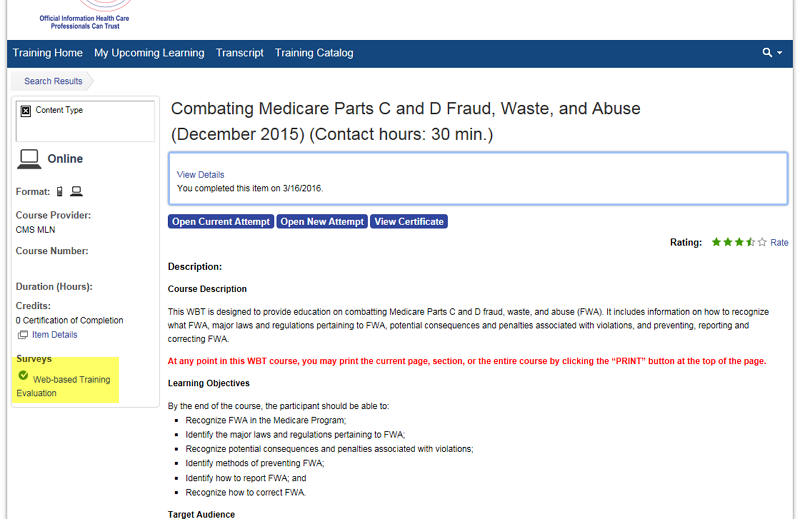
Artificial Intelligence
Automated compliance monitoring.
Predictive Analytics
Identify billing risks.
Enhanced Documentation Tools
Improve clinical accuracy.
Advanced Audit Software
Detect compliance concerns earlier.
Integrated Revenue Cycle Platforms
Simplify billing operations.
Healthcare organizations embracing these innovations will remain better prepared for future regulatory changes.
Frequently Asked Questions
What is medicare compliance?
Medicare-compliance refers to following Medicare regulations governing documentation, coding, billing, reimbursement, privacy, and fraud prevention.
Why is medicare compliance important?
It reduces claim denials, improves reimbursement, minimizes audit risks, and protects healthcare organizations from financial penalties.
What causes medicare compliance violations?
Common causes include incomplete documentation, coding errors, duplicate billing, lack of medical necessity, and improper claim submission.
How often should providers perform compliance audits?
Internal audits should be conducted regularly throughout the year to identify and correct compliance issues before external reviews occur.
Can technology improve medicare-compliance?
Yes. Electronic health records, coding software, automated claim editing, and compliance monitoring systems significantly improve accuracy.
Why should providers outsource medical billing?
Professional billing companies provide coding expertise, regulatory knowledge, denial management, and revenue cycle optimization while helping providers maintain consistent medicare-compliance.
Conclusion
Maintaining medicare-compliance is essential for every healthcare organization that participates in the Medicare program. From accurate documentation and proper medical coding to ethical billing practices and fraud prevention, every aspect of compliance directly affects reimbursement, operational efficiency, patient trust, and long-term financial stability. As Medicare regulations continue becoming more complex, proactive compliance management is no longer optional—it is a fundamental requirement for sustainable healthcare operations.
Healthcare providers that invest in staff education, regular internal audits, advanced billing technology, and strong documentation practices significantly reduce claim denials, improve reimbursement accuracy, and minimize costly regulatory risks. A comprehensive medicare-compliance program not only protects providers from audits and penalties but also supports higher-quality patient care through accurate clinical documentation and transparent billing practices.
At Icon Billing LLC, we are committed to helping healthcare providers navigate the complexities of medical billing and regulatory compliance with confidence. Our experienced team delivers expert medical billing, coding, revenue cycle management, credentialing, denial management, and compliance consulting services tailored to the unique needs of each practice. By partnering with Icon Billing LLC, healthcare organizations can strengthen medicare-compliance, optimize revenue cycle performance, reduce administrative burdens, and focus on delivering exceptional patient care while maintaining long-term financial success.