
NPI Number: Everything Healthcare Providers Need to Know
Healthcare providers, medical practices, hospitals, and billing companies rely heavily on accurate provider identification to maintain smooth billing operations and regulatory compliance. One of the most important identifiers in the healthcare industry today is the NPI number.
Whether you operate a private medical practice, manage a healthcare organization, or work within medical billing and revenue cycle management, understanding how the NPI number works is essential. Incorrect provider information can lead to denied claims, delayed reimbursements, compliance issues, and operational inefficiencies that negatively impact both healthcare providers and patients.
At Icon Billing LLC, we help healthcare providers streamline billing operations, improve claims processing, and maintain compliance with insurance and government healthcare requirements. In this comprehensive guide, we’ll explain everything you need to know about the NPI number, including what it is, why it matters, how providers obtain one, common mistakes to avoid, and how it affects medical billing and reimbursement.
What Is an NPI Number?
An NPI number, or National Provider Identifier, is a unique 10-digit identification number assigned to healthcare providers in the United States. The Centers for Medicare & Medicaid Services (CMS) created the system to standardize provider identification across the healthcare industry.
The purpose of the NPI number is to simplify administrative processes involving:
- Medical billing
- Insurance claims
- Healthcare transactions
- Electronic records
- Provider identification
Healthcare organizations and providers use the NPI number during HIPAA-covered transactions to ensure accurate communication between healthcare systems, insurance companies, and government programs.
The NPI number remains permanent and generally does not change even if providers relocate or switch employers.
Why the NPI Number Is Important in Medical Billing
Accurate provider identification is critical in modern healthcare billing systems. Without a valid NPI number, healthcare providers may experience significant problems when submitting insurance claims or receiving reimbursements.
The NPI number plays an essential role in:
| Billing Function | Importance |
|---|---|
| Insurance Claims | Provider verification |
| Medicare Billing | Required identification |
| Medicaid Claims | Claims processing |
| Electronic Transactions | HIPAA compliance |
| Referral Coordination | Accurate provider tracking |
Medical billing systems rely heavily on the NPI number to process claims efficiently and reduce administrative confusion.
At Icon Billing LLC, we regularly help providers correct claim issues related to inaccurate provider identifiers and credentialing problems.
Who Needs an NPI Number?
Many healthcare professionals and organizations are required to obtain an NPI number if they participate in HIPAA-covered transactions.
Common providers needing an NPI number include:
Physicians
Doctors in all specialties generally require NPIs.
Dentists
Dental providers use NPIs for insurance billing and claims.
Nurses and Nurse Practitioners
Advanced practice providers often require individual NPIs.
Chiropractors
Chiropractic offices use NPIs during billing and reimbursement processes.
Therapists
Physical therapists, occupational therapists, and mental health professionals commonly obtain NPIs.
Hospitals and Clinics
Healthcare organizations may also receive organizational NPIs.
Both individual practitioners and healthcare entities can receive an NPI number depending on their role within healthcare operations.
Types of NPI Numbers
There are two primary types of NPI number classifications used in healthcare.
| NPI Type | Description |
|---|---|
| Type 1 NPI | Individual healthcare providers |
| Type 2 NPI | Healthcare organizations and entities |
Type 1 NPI Number
A Type 1 NPI number applies to individual providers such as:
- Physicians
- Dentists
- Nurses
- Therapists
This identifier remains associated with the individual throughout their professional career.
Type 2 NPI Number
A Type 2 NPI number applies to healthcare organizations including:
- Hospitals
- Clinics
- Medical groups
- Laboratories
- Pharmacies
Organizations may maintain multiple NPIs depending on operational structure and billing arrangements.
Understanding the correct NPI number type helps prevent claim processing issues and compliance errors.
How to Apply for an NPI Number
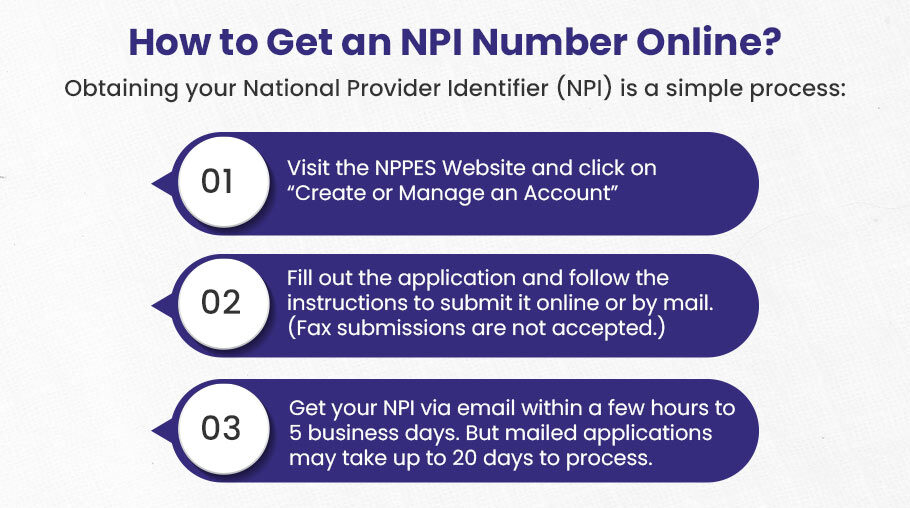
Obtaining an NPI number is generally a straightforward process handled through the National Plan and Provider Enumeration System (NPPES).
Providers typically apply by:
Completing an Online Application
The online process remains the fastest method.
Providing Professional Information
Applicants must submit:
- License details
- Practice information
- Taxonomy codes
- Contact information
Verifying Credentials
CMS reviews provider information before issuing the identifier.
Receiving the NPI Number
Once approved, providers receive their permanent identifier.
Healthcare providers should ensure all submitted information remains accurate because incorrect data may affect claims processing later.
For official registration information, providers can visit National Plan and Provider Enumeration System (NPPES)
Common NPI Number Mistakes Healthcare Providers Make
Even small errors involving the NPI number can create major administrative and financial problems for healthcare organizations.
Incorrect Claim Submission
Using the wrong provider identifier may result in claim denials.
Outdated Provider Information
Providers must update practice changes within official records.
Incorrect Taxonomy Codes
Taxonomy errors may affect reimbursement classifications.
Credentialing Mismatches
Insurance records should align with the registered NPI number information.
Shared Billing Confusion
Group practices sometimes incorrectly assign individual and organizational NPIs.
At Icon Billing LLC, we help healthcare providers identify and correct billing errors related to provider identification and credentialing.
NPI Number and HIPAA Compliance
The NPI number system was developed as part of HIPAA administrative simplification requirements designed to improve healthcare transaction efficiency nationwide.
HIPAA-covered entities use the NPI-number for:
- Electronic claims
- Eligibility verification
- Referral processing
- Payment transactions
- Coordination of benefits
Failure to maintain accurate provider information may create compliance risks during audits or insurance reviews.
Healthcare organizations should regularly verify that all billing records, credentialing documents, and electronic systems contain accurate NPI-number data.
How the NPI-Number Affects Insurance Claims
Insurance carriers rely heavily on the NPI-number when processing claims and determining reimbursement eligibility.
An incorrect or inactive identifier may lead to:
| Claim Issue | Potential Result |
|---|---|
| Claim Rejections | Delayed payments |
| Credentialing Errors | Coverage denials |
| Payment Delays | Cash flow disruptions |
| Compliance Concerns | Audit exposure |
Medical practices must ensure claims contain accurate:
- Provider NPIs
- Taxonomy codes
- Tax identification numbers
- Credentialing information
Professional billing management significantly reduces these administrative risks.
NPI-Number and Credentialing
Credentialing is one of the most important processes connected to the NPI-number. Insurance companies verify provider credentials before authorizing reimbursement participation.
Credentialing reviews commonly evaluate:
- Licensure
- Education
- Certifications
- Practice history
- Malpractice records
- NPI registration data
Incorrect NPI-number information may slow credentialing approval and delay insurance participation.
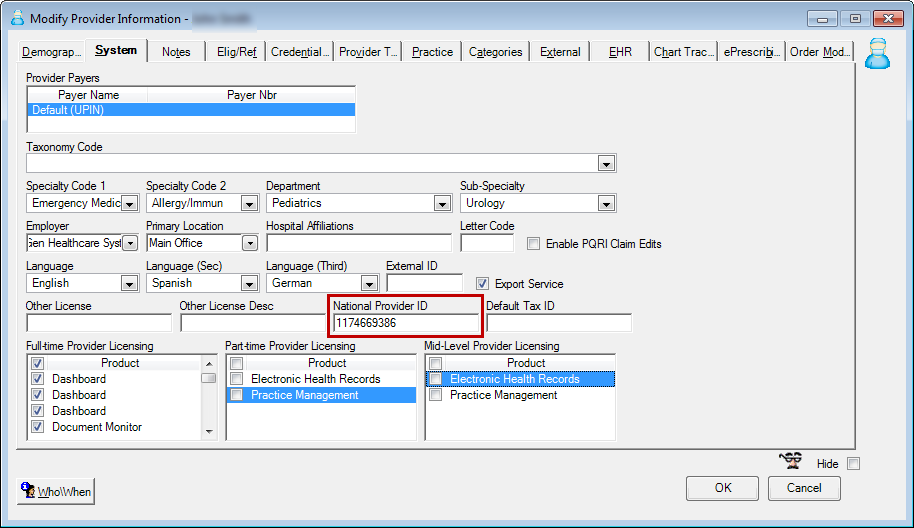
Healthcare providers should regularly review NPPES records to maintain consistency across all systems.
How Medical Billing Companies Help Manage NPI-Number Issues
Managing provider information across multiple insurance networks and billing systems can become extremely complex, especially for larger healthcare organizations.
Professional billing companies help providers:
Verify Provider Information
Accurate records improve claims processing.
Update Credentialing Records
Insurance participation remains current.
Resolve Claim Denials
Billing specialists identify provider-related errors quickly.
Improve Revenue Cycle Efficiency
Fewer administrative problems lead to faster reimbursements.
At Icon Billing LLC, we specialize in helping healthcare providers optimize billing systems, reduce claim denials, and maintain compliance through accurate provider data management.
NPI-Number Security and Fraud Concerns
Because the NPI-number is publicly accessible, providers should remain aware of potential fraud risks involving unauthorized billing activity.
Potential risks include:
Fraudulent Claims
Unauthorized parties may misuse provider identifiers.
Identity Theft
Scammers sometimes impersonate healthcare providers.
Credential Misrepresentation
Improper provider information may appear in fraudulent transactions.
Healthcare organizations should monitor billing activity regularly and investigate suspicious claims promptly.
Strong compliance procedures and secure billing systems help reduce risks involving NPI-number misuse.
Best Practices for Managing NPI-Number Information
Healthcare providers can reduce billing problems and compliance risks by following several important best practices.
Keep Records Updated
Practice addresses, phone numbers, and licenses should remain current.
Verify Credentialing Information
Insurance participation records must match NPI registration data.
Monitor Claim Activity
Regular audits help identify errors quickly.
Train Administrative Staff
Front-office teams should understand provider identification requirements.
Partner With Experienced Billing Professionals
Professional support improves billing accuracy and compliance.
At Icon Billing LLC, we help providers implement efficient billing systems that support accurate provider management and stronger financial performance.
Why the NPI-Number Matters for Revenue Cycle Management
Efficient revenue cycle management depends heavily on accurate provider identification. Even small errors involving the NPI-number may affect:
- Claim approvals
- Insurance reimbursements
- Patient billing
- Compliance audits
- Financial reporting
Strong administrative systems reduce delays and improve operational efficiency throughout the reimbursement process.
Healthcare providers investing in accurate NPI-number management often experience fewer denied claims and improved financial stability.
Frequently Asked Questions About NPI-Number
What is an NPI-number?
An NPI-number is a unique 10-digit identifier assigned to healthcare providers for billing and administrative purposes.
Who needs an NPI-number?
Most healthcare providers and organizations participating in HIPAA-covered transactions require an NPI.
Can a provider have more than one NPI-number?
Individual providers generally receive one Type 1 NPI, while organizations may maintain multiple Type 2 NPIs.
Is the NPI-number permanent?
Yes. Most providers keep the same identifier throughout their professional careers.
Why are NPI-numbers important for billing?
Insurance companies use NPIs to verify providers and process claims accurately.
Can incorrect NPI information cause claim denials?
Yes. Errors involving provider identifiers frequently result in billing delays and rejected claims.
Conclusion
The NPI-number remains one of the most important components of modern healthcare administration, billing, and compliance management. From insurance claims and credentialing to HIPAA transactions and revenue cycle operations, accurate provider identification supports nearly every aspect of healthcare financial systems.
Even small errors involving the NPI-number can create costly claim denials, reimbursement delays, compliance risks, and administrative confusion. That is why healthcare providers must maintain accurate records, monitor billing systems carefully, and ensure consistency across all insurance and credentialing platforms.
At Icon Billing LLC, we are committed to helping healthcare providers improve billing accuracy, streamline revenue cycle management, reduce denied claims, and maintain regulatory compliance. Our experienced medical billing team provides professional support designed to simplify complex healthcare administrative processes while improving financial performance and operational efficiency.