A Complete Guide to Maintaining Your Healthcare Coverage
Millions of Americans depend on Medicaid to access essential healthcare services, including doctor visits, hospital care, prescription medications, preventive services, and long-term care support. However, qualifying for Medicaid is not a one-time process. Beneficiaries must periodically verify their eligibility to continue receiving benefits. This is where the medicaid renewal form becomes critically important.
Failing to submit a medicaid renewal form on time can result in coverage interruptions, delayed medical treatments, denied claims, and unnecessary financial burdens. Many beneficiaries lose coverage each year not because they are ineligible, but because paperwork is incomplete, deadlines are missed, or required documentation is not provided.
At Icon Billing LLC, we understand how healthcare coverage impacts patients, providers, and medical billing operations. This comprehensive guide explains everything you need to know about the medicaid renewal form, including how it works, why it matters, common mistakes, required documents, eligibility verification requirements, and best practices for maintaining uninterrupted healthcare coverage.
What Is a Medicaid Renewal Form?
A medicaid renewal form is an official document used by state Medicaid agencies to verify that beneficiaries continue to meet eligibility requirements for Medicaid coverage.
The purpose of the medicaid renewal form is to confirm current information regarding:
- Household size
- Income
- Employment status
- Residency
- Citizenship or immigration status
- Disability status when applicable
Because Medicaid eligibility can change over time, beneficiaries must periodically complete a medicaid renewal form to maintain benefits.
State agencies review submitted information and determine whether coverage should continue, be modified, or be terminated.
Understanding the importance of the medicaid renewal form helps beneficiaries avoid unnecessary healthcare disruptions.
Why the Medicaid Renewal Form Is Important
The medicaid renewal form serves as a critical part of the Medicaid eligibility process.
Without a completed medicaid renewal form, state agencies may not have enough information to determine ongoing eligibility.
Benefits of timely renewal include:
| Benefit | Impact |
|---|---|
| Continuous Coverage | Prevents healthcare interruptions |
| Access to Providers | Maintains medical appointments |
| Prescription Coverage | Ensures medication access |
| Reduced Financial Risk | Avoids unexpected medical bills |
| Claims Processing | Supports uninterrupted billing |
Healthcare providers also benefit when patients complete their medicaid renewal form on time because active coverage supports smoother reimbursement processes.
Who Needs a Medicaid Renewal Form?
Most Medicaid beneficiaries eventually receive a medicaid renewal form as part of their eligibility review process.
Common groups required to complete a medicaid renewal form include:
Adults Receiving Medicaid
Individuals enrolled through income-based programs may need periodic reviews.
Children Covered by Medicaid
Parents or guardians often complete the medicaid renewal form for eligible children.
Seniors
Older adults receiving Medicaid benefits may be required to verify eligibility regularly.
Individuals with Disabilities
Disability-based Medicaid recipients may also need renewal reviews.
Families Receiving Healthcare Assistance
Households participating in Medicaid programs often complete annual renewal requirements.
Every state administers Medicaid differently, but most beneficiaries eventually receive a medicaid renewal form for eligibility verification.
When Is the Medicaid Renewal Form Required?
The timing of a medicaid renewal form varies by state and individual circumstances.
Many states conduct annual eligibility reviews.
Beneficiaries typically receive:
- Renewal notices
- Instructions
- Submission deadlines
- Documentation requests
It is extremely important to respond promptly when a medicaid renewal form arrives.
Ignoring notices can lead to:
- Coverage termination
- Delayed healthcare services
- Claim denials
- Financial hardship
Keeping contact information updated with Medicaid agencies helps ensure renewal notices are received on time.
Information Required on a Medicaid Renewal Form
The information requested on a medicaid renewal form may vary depending on state requirements.
Common information includes:
Personal Information
Applicants may provide:
- Name
- Address
- Date of birth
- Contact information
Household Information
State agencies often review:
- Household size
- Family relationships
- Dependents
Income Verification
Income details frequently include:
- Employment wages
- Self-employment income
- Social Security benefits
- Pension income
Residency Verification
Applicants may need to verify state residency.
Insurance Information
Other healthcare coverage may affect eligibility determinations.
Accurate information helps ensure the medicaid renewal form is processed efficiently.
Documents Commonly Needed for a Medicaid Renewal Form
Supporting documentation often accompanies a medicaid renewal form submission.
Common examples include:
Income Documentation
- Pay stubs
- Tax returns
- Benefit statements
Residency Proof
- Utility bills
- Lease agreements
- Mortgage statements
Identity Verification
- Government-issued identification
- Social Security documentation
Immigration Documentation
When applicable, immigration records may be required.
Providing complete documentation with a medicaid renewal form reduces delays and requests for additional information.
Common Medicaid Renewal Form Mistakes
Many beneficiaries lose coverage because of preventable mistakes involving the medicaid renewal form.
Missing Deadlines
Late submissions frequently result in coverage interruptions.
Incomplete Applications
Missing information may delay eligibility decisions.
Failure to Report Changes
Income or household changes should be reported accurately.
Missing Documentation
Required records must accompany the renewal process.
Ignoring Agency Notices
Failure to respond to Medicaid requests often causes complications.
Avoiding these common mistakes helps ensure successful processing of the medicaid renewal form.
How Medicaid Renewal Form Delays Affect Healthcare Providers
Coverage interruptions caused by delayed medicaid renewal form submissions can create challenges for healthcare providers.
Potential consequences include:
| Provider Issue | Impact |
| Claim Denials | Delayed reimbursement |
| Eligibility Verification Problems | Administrative burden |
| Patient Billing Issues | Increased collections efforts |
| Appointment Delays | Reduced continuity of care |
At Icon Billing LLC, we help providers improve revenue cycle management while supporting efficient eligibility verification procedures.
Medicaid Renewal Form and Medical Billing
The medicaid renewal form plays an important role in healthcare billing operations.
When Medicaid coverage remains active:
- Claims process more smoothly
- Reimbursement timelines improve
- Administrative burdens decrease
- Patient financial responsibility remains lower
Conversely, coverage lapses may increase denied claims and billing complications.
Healthcare providers often encourage patients to complete their medicaid-renewal form promptly to avoid interruptions.
How to Complete a Medicaid-Renewal Form Successfully
Following a structured approach improves the likelihood of successful renewal.
Review Instructions Carefully
Read all requirements before starting the application.
Gather Documentation Early
Collect supporting documents before deadlines approach.
Verify Information Accuracy
Double-check names, addresses, income amounts, and household details.
Respond Promptly
Submit the medicaid-renewal form before the deadline.
Keep Copies
Maintain records of submitted forms and supporting documents.
These simple steps can significantly improve renewal success rates.
Technology and Medicaid-Renewal Form Processing
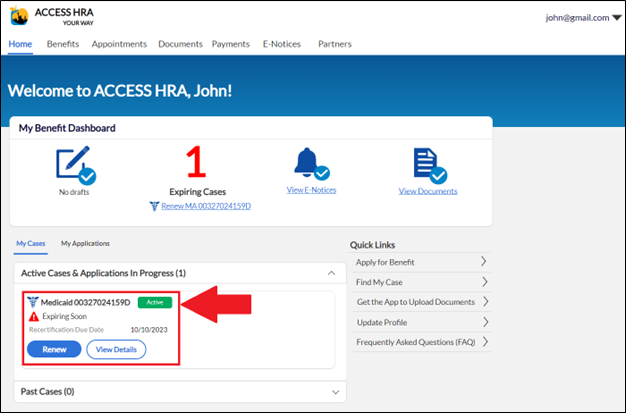
Many states now allow beneficiaries to complete the medicaid-renewal form electronically.
Digital options may include:
- Online portals
- Mobile applications
- Secure document uploads
Benefits of electronic submission include:
- Faster processing
- Improved tracking
- Reduced paperwork
- Better communication
As healthcare technology evolves, digital solutions continue improving the efficiency of Medicaid eligibility management.
Future Trends in Medicaid-Renewal Form Administration
Several trends are shaping the future of the medicaid-renewal form process.
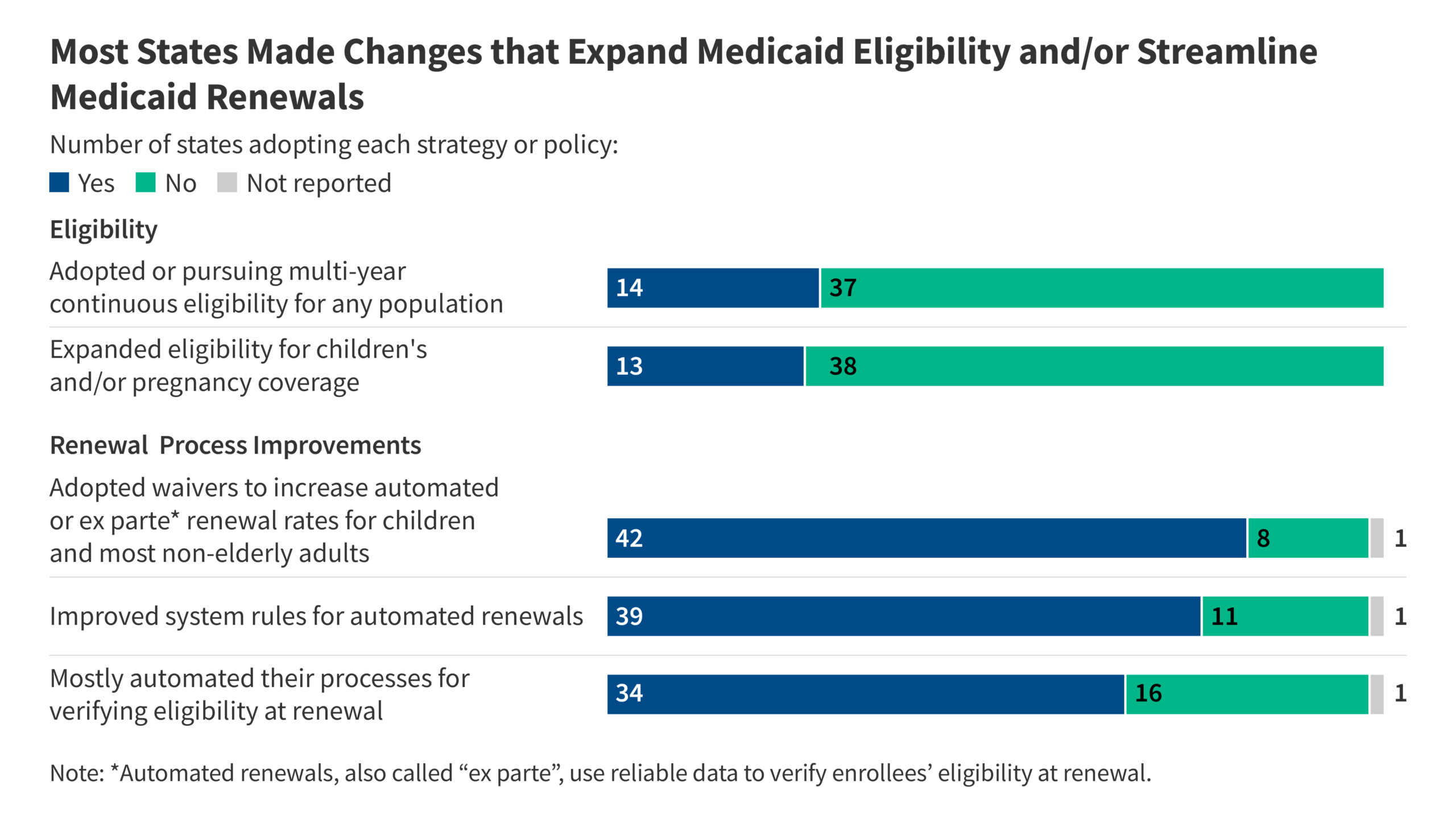
Increased Automation
Technology may simplify eligibility verification procedures.
Better Data Integration
Agencies may access verification data more efficiently.
Enhanced Online Services
Digital platforms continue expanding.
Improved Communication Systems
Automated reminders may reduce missed deadlines.
These developments may help beneficiaries maintain coverage more effectively while reducing administrative burdens.
Frequently Asked Questions About Medicaid-Renewal Form
What is a medicaid-renewal form?
A medicaid-renewal form is used to verify ongoing eligibility for Medicaid benefits.
How often must a medicaid-renewal form be completed?
Many states require annual eligibility reviews, although requirements vary.
What happens if I miss the medicaid-renewal form deadline?
Coverage may be interrupted or terminated until eligibility is re-established.
What documents are needed for a medicaid-renewal form?
Common documents include income verification, identification, residency proof, and household information.
Can I submit a medicaid-renewal form online?
Many states offer online submission options through Medicaid portals.
Why is the medicaid-renewal form important?
It helps ensure beneficiaries continue receiving healthcare coverage without interruptions.
Conclusion
The medicaid-renewal form is one of the most important components of maintaining Medicaid healthcare coverage. While the renewal process may seem routine, failing to complete a medicaid-renewal form accurately and on time can result in serious consequences, including coverage loss, delayed care, denied claims, and unexpected medical expenses.
By understanding eligibility requirements, gathering documentation early, responding to notices promptly, and avoiding common mistakes, beneficiaries can greatly improve their chances of maintaining uninterrupted coverage. Healthcare providers also benefit when patients remain enrolled because active coverage supports smoother claims processing and more consistent reimbursement.
At Icon Billing LLC, we help healthcare organizations navigate complex billing, eligibility verification, and revenue cycle management challenges. Our goal is to support providers with efficient solutions that improve operational performance while helping patients maintain access to essential healthcare services.