
7 Devastating Dysuria ICD 10 Coding Mistakes That Destroy Your Revenue – Ultimate Fix Guide
Dysuria—painful or difficult urination—is one of the most common complaints in primary care, urology, and urgent care settings. It affects millions of patients annually and generates a steady stream of medical claims. But behind this common symptom lies a coding challenge that trips up even experienced billers: dysuria ICD 10 coding. The dysuria ICD 10 code is R35.0, a symptom code that describes the patient’s complaint but not its underlying cause. Using this code correctly—and knowing when to use it versus a more specific diagnosis code—is essential for accurate reimbursement and compliance. A single mistake in dysuria ICD 10 coding can trigger claim denials, payment delays, and audit flags that directly attack your practice’s financial health. At Icon Billing LLC, we’ve seen practices lose thousands of dollars because of preventable dysuria ICD 10 errors, and we’ve helped them recover.
This comprehensive guide will expose seven devastating dysuria ICD 10 coding mistakes that destroy your revenue and show you exactly how to avoid them. You’ll learn what dysuria ICD 10 codes really represent, how to select the correct code for every clinical scenario, how to document for maximum specificity, and how to build a coding workflow that produces clean claims. Whether you’re a primary care physician, a urologist, an urgent care provider, or a billing professional supporting these specialties, mastering dysuria ICD 10 coding is essential for financial success. Let’s dive into the details and transform your dysuria ICD 10 coding from a vulnerability into a strength.
What Is Dysuria ICD 10 and Why Does It Matter?
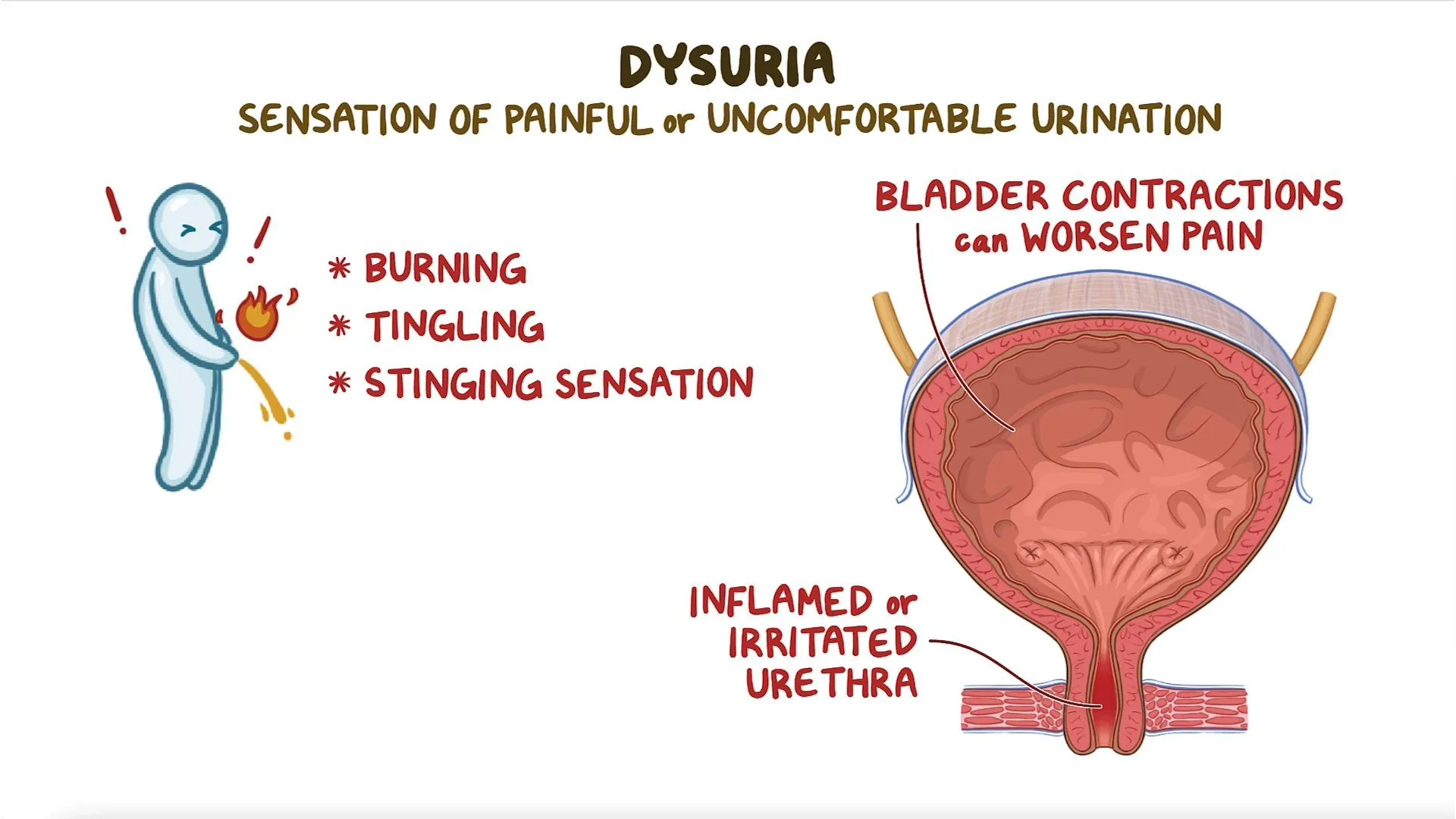
Dysuria ICD 10 refers to the International Classification of Diseases, Tenth Revision code used to report painful or difficult urination. The specific dysuria ICD 10 code is R35.0 (Dysuria). This code falls under Chapter 18 of ICD-10-CM, which covers symptoms, signs, and abnormal clinical and laboratory findings, not elsewhere classified. The dysuria ICD 10 code is a symptom code—it describes what the patient is experiencing, not the underlying disease causing it.
Dysuria ICD 10 matters because accurate coding directly affects reimbursement, quality reporting, and compliance. When dysuria is the presenting complaint and no definitive diagnosis has been established, dysuria ICD 10 code R35.0 is appropriate. However, when the underlying cause is identified—such as a urinary tract infection, urethritis, or bladder stones—a more specific diagnosis code should be used instead of or in addition to dysuria ICD 10. Misusing dysuria ICD 10 codes can lead to denials, audits, and distorted quality metrics. Understanding dysuria ICD 10 coding deeply is non-negotiable for any practice that treats urinary symptoms.
Devastating Mistake #1: Using Dysuria ICD 10 When a Definitive Diagnosis Exists
The most common dysuria ICD 10 mistake is using the symptom code R35.0 when a definitive diagnosis has been established. If the provider diagnoses a urinary tract infection (UTI), the correct code is N39.0 (Urinary tract infection, site not specified) or a more specific UTI code—not dysuria ICD 10. If the diagnosis is urethritis, the correct code is N34.1 or N34.2. Using dysuria ICD 10 when a specific diagnosis is documented results in undercoding, which can trigger payer audits and distort risk adjustment scores.
The rule for dysuria ICD 10 coding is clear: use the symptom code only when the provider has not established a definitive diagnosis. Once a diagnosis is made, that diagnosis should be coded instead. Icon Billing LLC’s coding specialists are experts in dysuria ICD 10 coding rules. We review clinical documentation carefully to determine whether a symptom code or a definitive diagnosis code is appropriate, ensuring that your claims are accurate and compliant.
Devastating Mistake #2: Failing to Code the Underlying Cause Alongside Dysuria ICD 10
Sometimes, both the symptom and the diagnosis should be coded. When a patient presents with dysuria and the provider identifies an underlying cause—such as a urinary tract infection, interstitial cystitis, or a sexually transmitted infection—the underlying cause should be coded as the primary diagnosis, with dysuria ICD 10 code R35.0 coded as an additional diagnosis if relevant. A devastating mistake is coding only dysuria ICD 10 and missing the underlying cause, or coding only the cause and omitting the symptom when it adds clinical information.
The solution is to code both when appropriate. The primary diagnosis should be the definitive condition; dysuria ICD 10 may be listed as a secondary code if the symptom is relevant to the encounter. Icon Billing LLC’s dysuria ICD 10 coding experts review claims to ensure that all relevant codes are captured. We help you maximize accuracy and reimbursement while maintaining compliance.
Devastating Mistake #3: Using Dysuria ICD 10 for Hematuria or Other Urinary Symptoms
Dysuria ICD 10 code R35.0 is specific to painful urination. It should not be used for other urinary symptoms such as hematuria (blood in urine), frequency, urgency, or nocturia. Each of these symptoms has its own ICD-10-CM code: R31.0 for gross hematuria, R31.1 for benign essential hematuria, R35.1 for nocturia, R35.8 for other urination disorders. A devastating mistake is using dysuria ICD 10 for symptoms that are not dysuria, resulting in inaccurate coding and potential denials.
The solution is to select the correct symptom code for each complaint. If the patient has dysuria, use dysuria ICD 10 code R35.0. If the patient has hematuria, use the appropriate hematuria code. If the patient has multiple symptoms, code each appropriately. Icon Billing LLC’s dysuria ICD 10 specialists understand the distinctions between urinary symptom codes. We ensure that every claim uses the correct code for the documented symptom, eliminating one of the most common causes of denials.
Devastating Mistake #4: Failing to Document the Severity or Duration of Dysuria
Dysuria ICD 10 coding does not require severity or duration codes, but documentation of these details supports medical necessity and quality reporting. A devastating mistake is failing to document the severity or duration of dysuria, which can weaken the claim if the payer questions the level of service. For example, a patient with severe, acute dysuria may require a higher level of evaluation and management (E/M) service than a patient with mild, chronic symptoms.
The solution is thorough documentation. Providers should document the onset, duration, severity, and associated symptoms of dysuria. This information supports the dysuria ICD 10 code and the E/M level billed. Icon Billing LLC helps practices improve documentation for dysuria ICD 10 coding. We provide templates and training that ensure clinical notes capture all relevant details, supporting accurate coding and appropriate reimbursement.
Devastating Mistake #5: Overlooking Payer-Specific Rules for Dysuria ICD 10 Coding
Medicare, Medicaid, and commercial payers may have specific rules for dysuria ICD-10 coding. Some payers require additional documentation when R35.0 is billed. Others may bundle dysuria ICD-10 with certain procedure codes or deny claims when the symptom code is used without a definitive diagnosis. A devastating mistake is ignoring payer-specific rules, resulting in denials that could have been prevented.
The solution is to maintain current knowledge of payer policies for dysuria ICD-10. Icon Billing LLC maintains a library of payer-specific dysuria ICD-10 guidelines and applies them to every claim. We ensure that your dysuria ICD-10 submissions meet each payer’s unique requirements, reducing denials and speeding payment.
Devastating Mistake #6: Incorrectly Linking Dysuria ICD-10 to Procedure Codes
In medical billing, the dysuria ICD-10 code must support the medical necessity of any procedure performed. If a urinalysis, urine culture, or cystoscopy is performed, the dysuria ICD-10 code (or the definitive diagnosis code) must justify the procedure. A devastating mistake is linking dysuria ICD-10 to procedures that aren’t supported by the symptom, or failing to link it when it is the justifying diagnosis. This can result in denials for lack of medical necessity.
The solution is careful code linkage. Every procedure code should be paired with a diagnosis code that supports it. When dysuria ICD-10 is the presenting symptom and a urinalysis is performed, R35.0 justifies the procedure. Icon Billing LLC’s pre-bill claim scrub includes checks for dysuria ICD-10 code linkage, ensuring that every procedure is supported by an appropriate diagnosis.
Devastating Mistake #7: Failing to Stay Current with Dysuria ICD-10 Updates
The dysuria ICD-10 code landscape is not static. ICD-10-CM codes are updated annually, and guidelines evolve. A devastating mistake is assuming that once your coding team knows dysuria ICD-10, they know it forever. Without ongoing education, coders fall behind on changes, and denials increase.
The solution is continuous investment in dysuria ICD-10 education. Coders should receive regular training on code updates, payer policies, and documentation requirements. Icon Billing LLC provides ongoing dysuria ICD-10 education as part of our comprehensive billing services. Our coders are certified, current, and continuously learning.
Building a Winning Dysuria ICD-10 Coding Workflow
Here is the proactive dysuria ICD-10 workflow Icon Billing LLC follows:
-
Review Documentation. Determine whether a definitive diagnosis exists or whether dysuria is the presenting symptom.
-
Assign the Correct Code. Use dysuria ICD-10 code R35.0 when no definitive diagnosis is established. Use a specific diagnosis code when one exists.
-
Code Additional Diagnoses. Include underlying causes and other relevant symptoms as secondary codes.
-
Verify Code Linkage. Ensure dysuria ICD-10 supports any procedures performed.
-
Apply Payer-Specific Rules. Use the appropriate dysuria ICD-10 policies for each payer.
-
Perform Pre-Bill Audits. Review dysuria ICD-10 claims before submission to catch errors.
-
Track Denials by Root Cause. Analyze denied claims to identify dysuria ICD-10 error patterns.
This workflow transforms dysuria ICD-10 coding from a confusing chore into a structured, reliable process. Icon Billing LLC executes it daily for practices across multiple specialties.
How Icon Billing LLC Transforms Dysuria ICD 10 Coding Success
When you partner with Icon Billing LLC, you gain a team of coding specialists who understand the nuances of dysuria ICD-10. Our services include:
-
Comprehensive coding audits to identify dysuria ICD-10 errors.
-
Pre-bill claim scrubbing that catches dysuria ICD-10 mistakes before submission.
-
Denial management that recovers revenue from incorrectly coded claims.
-
Provider education that improves documentation and dysuria ICD-10 accuracy.
-
Payer policy tracking that keeps your dysuria ICD-10 coding current.
-
Compliance support that protects you from audit risk.
Real-World Consequences of Dysuria ICD-10 Errors
Consider these composite examples based on cases we’ve encountered:
Scenario 1: A primary care practice used dysuria ICD-10 code R35.0 for all patients with urinary symptoms, including those with confirmed UTIs. A payer audit flagged the pattern, and the practice was forced to repay $45,000 in overpayments. Icon Billing LLC corrected the dysuria ICD-10 coding and improved documentation.
Scenario 2: A urology practice failed to code the underlying cause when dysuria was present, resulting in undercoding and lost risk adjustment revenue. Icon Billing LLC implemented dysuria ICD-10 coding protocols that captured both symptom and diagnosis.
Scenario 3: An urgent care center used outdated dysuria ICD-10 codes after an annual update, causing a 12% denial rate. Icon Billing LLC updated the coding resources and eliminated the problem.
In each case, disciplined dysuria ICD-10 management would have prevented the loss. Icon Billing LLC exists to ensure your practice never suffers from these preventable errors.
Frequently Asked Questions About Dysuria ICD-10
Q: What is the ICD-10 code for dysuria?
A: The dysuria ICD-10 code is R35.0.
Q: When should I use dysuria ICD-10 instead of a UTI code?
A: Use dysuria ICD-10 when no definitive diagnosis has been established. If a UTI is diagnosed, use the appropriate UTI code (e.g., N39.0).
Q: Can I code both dysuria ICD-10 and a UTI code?
A: Yes, if both are relevant. The definitive diagnosis should be primary; dysuria ICD-10 may be secondary.
Q: Does dysuria ICD-10 require additional documentation?
A: Documentation should support the symptom and the level of service. Severity and duration are helpful but not required for the code itself.
Q: How can Icon Billing LLC help with dysuria ICD-10 coding?
A: We provide coding audits, pre-bill scrubbing, denial management, provider education, and compliance support for dysuria ICD-10 coding.
Proactive Steps You Can Take Today
-
Audit your recent dysuria ICD-10 claims. Look for overuse of R35.0 when definitive diagnoses exist.
-
Review your documentation. Ensure notes capture the details needed for accurate dysuria ICD-10 coding.
-
Check payer policies. Verify requirements for dysuria ICD-10 with your top payers.
-
Contact Icon Billing LLC for a comprehensive dysuria ICD-10 review. We’ll identify errors, recover lost revenue, and implement corrective actions.
Conclusion: Master Dysuria ICD 10 for Maximum Reimbursement
The seven devastating mistakes—using the symptom code when a diagnosis exists, failing to code the underlying cause, confusing dysuria with other urinary symptoms, inadequate documentation, ignoring payer rules, incorrect linkage, and neglecting education—are all avoidable with knowledge and discipline. Dysuria ICD-10 coding is complex, but it’s a complexity that can be mastered. With the right training, the right processes, and the right partner, your practice can submit clean, accurate, and compliant claims every time.
Icon Billing LLC is dedicated to making dysuria ICD-10 coding a strength of your practice. We bring the knowledge, the processes, and the vigilance needed to protect your revenue and keep your claims flowing. Don’t let preventable dysuria ICD-10 errors drain your practice’s financial health. Contact us today to learn how our dysuria ICD-10 coding management service can improve your clean claim rates, reduce denials, and maximize reimbursement. Your patients deserve excellent care—and your practice deserves to be paid for that care. With the right dysuria ICD-10 strategy, you can have both.