
7 Devastating Mistakes When You Look Up an NPI That Destroy Your Claims – Ultimate Fix Guide
When you look up an NPI, you are doing more than searching a number. You are verifying the identity of a provider, the eligibility of a practice, and the accuracy of the data that will appear on every claim you submit. The National Provider Identifier is the backbone of medical billing. Payers use it to route claims, verify credentials, and determine whether a service is payable. Yet many billing teams look up an NPI casually—copying a number from an old spreadsheet, trusting a cached directory, or skipping verification entirely. That casual approach is why so many claims deny for provider identity errors. At Icon Billing LLC, we have seen practices lose thousands of dollars because someone failed to look up an NPI correctly. This guide exposes seven devastating mistakes and shows you how to fix them.
Whether you are onboarding a new provider, checking a referring physician, or verifying a group practice, knowing how to look up an NPI accurately is essential. When you look up an NPI, you must confirm the NPI type, taxonomy, active status, and associated address. You must also ensure the NPI matches the claim field where it will be used. In this comprehensive guide, we will walk through the mistakes that cause the most damage, the workflow that prevents them, and the role professional billing support plays in keeping your claims clean. If you look up an NPI without a repeatable process, you are gambling with your revenue. Let’s make sure you never gamble again.
What It Means to Look Up an NPI and Why It Matters
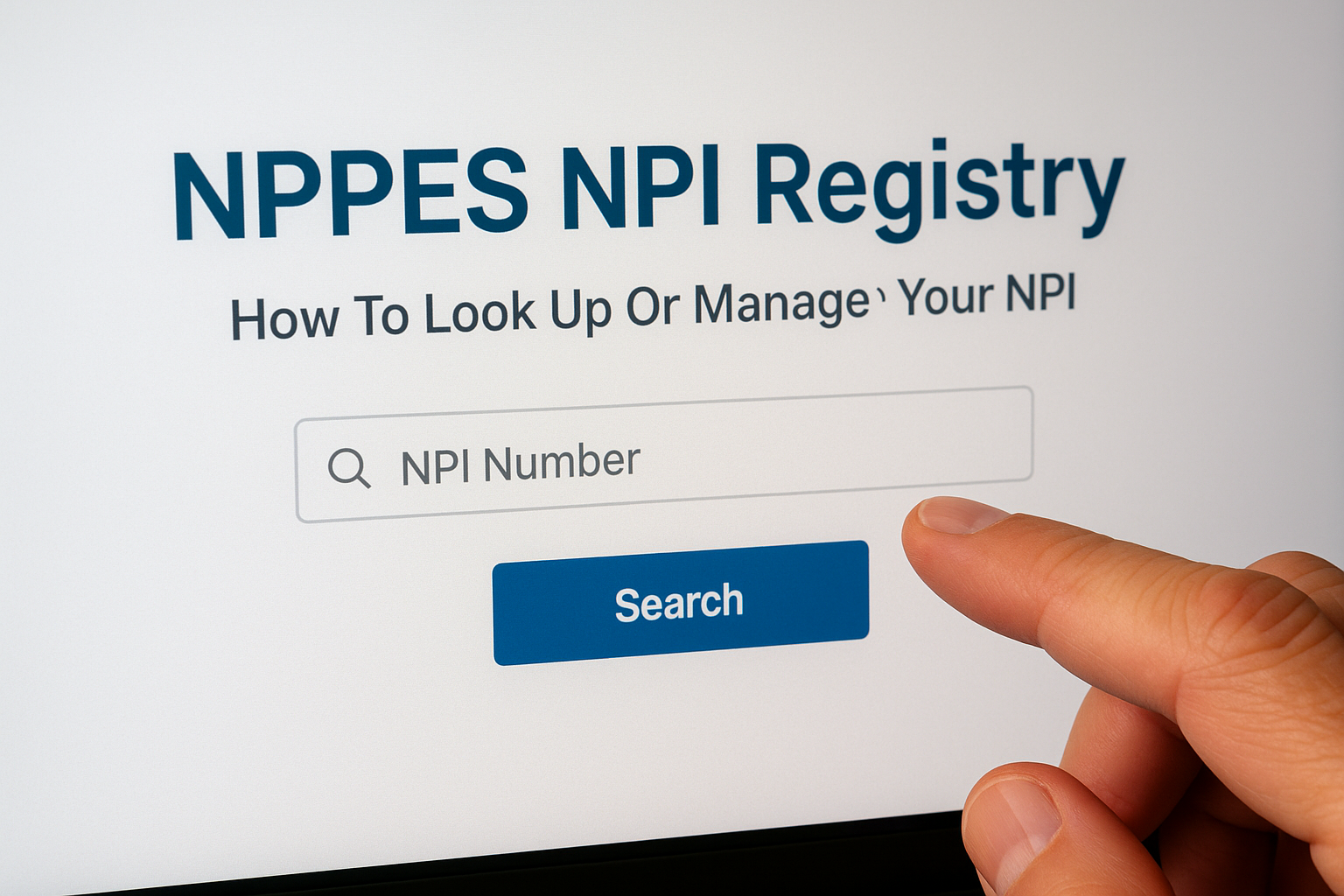
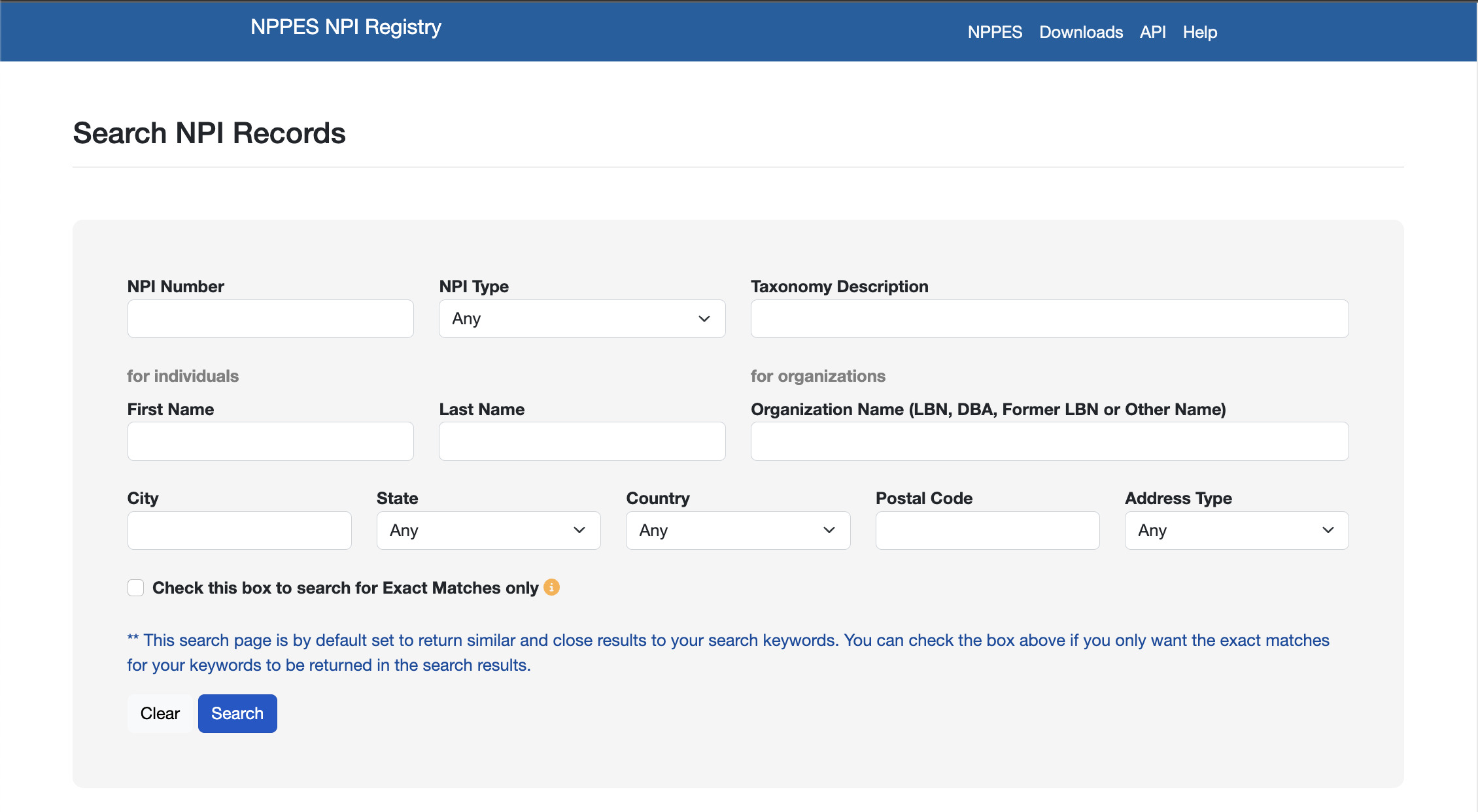
To look up an NPI is to search the National Plan and Provider Enumeration System, known as NPPES, for a provider’s National Provider Identifier record. The NPPES registry is maintained by the Centers for Medicare & Medicaid Services and is the authoritative source for NPI data. When you look up an NPI, you can see the provider’s legal name, practice address, taxonomy codes, enumeration date, and active status. You can also see whether the NPI belongs to an individual or an organization.
Why does it matter when you look up an NPI? Because payers use the NPI to identify who rendered a service, who should be paid, and whether the provider is eligible for the service billed. If you look up an NPI and find an inactive record, the claim will deny. If you look up an NPI but ignore the taxonomy, the claim may deny as outside the provider’s scope. If you look up an NPI for the wrong provider type, the claim may be misrouted or rejected. Every time you look up an NPI, you are protecting the integrity of the claim. Every time you skip the verification, you create risk.
Mistake #1: You Look Up an NPI but Rely on Cached or Outdated Results
The first devastating mistake is relying on old data when you look up an NPI. NPI records change. Providers move, change names, add or remove taxonomy codes, and sometimes deactivate their NPIs. If your billing team look up an NPI using a cached directory, an old spreadsheet, or a screenshot from six months ago, the data may no longer be accurate. The claim goes out with outdated demographics, and the payer denies it for a mismatch.
The solution is to look up an NPI live, at the moment you need the information, directly from the NPPES registry. Do not look up an NPI from memory. Do not look up an NPI from a printout. Do not look up an NPI from a clearinghouse cache unless you have confirmed the cache is synced with NPPES. When you look up an NPI live, you see the current record. Icon Billing LLC integrates real-time NPI verification into our claim scrubbing process. We look up an NPI for every provider on every claim, ensuring that the data is current and accurate.
Mistake #2: You Look Up an NPI but Ignore the NPI Type
The second devastating mistake is failing to distinguish NPI types when you look up an NPI. There are two types of NPIs. Type 1 identifies individual providers such as physicians, nurse practitioners, and therapists. Type 2 identifies organizations such as group practices, hospitals, and billing entities. If you look up an NPI and use a Type 2 number in a rendering provider field, or a Type 1 number in a billing provider field, the claim may reject or pay incorrectly.
When you look up an NPI, always confirm whether the number is Type 1 or Type 2. Then match the NPI type to the correct claim field. A rendering provider field needs the individual who performed the service. A billing provider field needs the entity that should be paid. If you look up an NPI and cannot tell the type, do not guess. Use the NPPES record to confirm. Icon Billing LLC trains billing specialists to look up an NPI with type verification built into the workflow. We prevent the denials that occur when the wrong NPI type lands in the wrong field.
Mistake #3: You Look Up an NPI but Ignore Taxonomy Codes
The third devastating mistake is stopping too soon when you look up an NPI. The NPI number alone is not enough. The NPPES record also includes taxonomy codes that describe the provider’s specialty and service type. Payers use these taxonomy codes to determine whether a provider is eligible to bill for specific services. If you look up an NPI and ignore the taxonomy, you may submit a claim for a service outside the provider’s credentialed scope. The payer denies it.
When you look up an NPI, review the primary taxonomy code and any secondary taxonomies. Confirm that the taxonomy matches the service being billed. If the taxonomy is outdated or incorrect, the provider must update the NPPES record before claims can be paid. Icon Billing LLC performs NPI lookups that include taxonomy verification. We look up an NPI and cross-check the taxonomy against the procedure and diagnosis on the claim. When you look up an NPI with taxonomy awareness, denials drop and clean claim rates rise.
Mistake #4: You Look Up an NPI for the Billing Provider but Skip Referring and Ordering Providers
The fourth devastating mistake is incomplete verification. Many claims require more than the billing and rendering provider NPIs. Claims for diagnostic tests, imaging, specialist referrals, and durable medical equipment often require the NPI of the referring or ordering provider. If you look up an NPI only for the billing provider and skip the referring provider, the claim may deny for a missing or invalid ordering NPI.
Your NPI verification protocol should require that you look up an NPI for every provider referenced on the claim. When you receive a referral or order, look up an NPI immediately to verify that the referring physician’s NPI is active, correct, and matched to the right name and taxonomy. Icon Billing LLC includes referring and ordering provider NPI verification in our pre-bill review. We look up an NPI for every required field, ensuring that no claim goes out with an unverified provider. A complete NPI lookup prevents the costly back-and-forth of denied referrals.
Mistake #5: You Look Up an NPI but Never Update Your Own Record
The fifth devastating mistake is focusing only on other providers and forgetting your own NPI record. Your own NPPES record is only as good as the data you entered. If your practice moved, changed its legal name, added a provider, or shifted its tax identification number, those changes must be reflected in NPPES. When a payer performs its own NPI lookup on your organization and finds outdated information, payments may be suspended or claims may be rejected.
The solution is to look up an NPI on yourself regularly. Check the legal business name, physical address, mailing address, taxonomy codes, and license information. If changes are needed, update NPPES immediately and propagate the updates to all contracted payers. Icon Billing LLC performs regular NPI maintenance for clients. We look up an NPI for every provider and location, verifying that the records are accurate and aligned with credentialing profiles. A clean NPI record on your own organization is the foundation of smooth claim processing.
Mistake #6: You Look Up an NPI Using Unreliable Third-Party Tools
The sixth devastating mistake is using unreliable tools when you look up an NPI. The authoritative source is NPPES. Third-party tools and clearinghouse interfaces can be convenient, but they sometimes pull incomplete or cached data. They may fail to show deactivation dates, multiple taxonomy codes, or recent address changes. If you look up an NPI through an unreliable source, you may get a false sense of security. The number looks right, but the underlying data is flawed.
When accuracy matters, look up an NPI through official CMS sources or a tightly integrated clearinghouse that syncs with NPPES in real time. Icon Billing LLC uses reliable, current resources when we look up an NPI. We also cross-reference payer directories when necessary, because some payers maintain their own provider enrollment databases. A layered NPI verification approach catches discrepancies that a single-source lookup might miss. When you look up an NPI with the right tools, you protect your claims from hidden data errors.
Mistake #7: You Look Up an NPI but Never Audit or Educate
The seventh devastating mistake is treating NPI verification as a one-time task. NPI data changes constantly, and billing staff turnover. If no one audits the process, errors repeat. A biller may consistently look up an NPI but consistently miss taxonomy mismatches. Another may look up an NPI for the billing provider but forget the referring provider. Without audits and education, these patterns persist silently.
The solution is to audit NPI lookups regularly and educate staff. Review a sample of claims each month, compare the NPI data to NPPES, and track error patterns. Provide feedback and training. Icon Billing LLC performs NPI lookup audits as part of our medical billing services. We identify recurring errors, correct them, and train your team. When you look up an NPI with a disciplined, audited process, accuracy improves and revenue stabilizes.
Building a Winning NPI Lookup Workflow
Here is the proactive workflow Icon Billing LLC recommends when you look up an NPI:
-
Use the official NPPES registry every time you look up an NPI.
-
Verify the NPI type—Type 1 for individuals, Type 2 for organizations.
-
Review taxonomy codes and confirm they match the service billed.
-
Check active status and resolve any deactivation before billing.
-
Look up an NPI for every provider on the claim, including referring and ordering providers.
-
Look up an NPI on your own organization regularly and update records as needed.
-
Document the lookup with the date, source, and result.
-
Audit and educate to keep the process accurate over time.
This workflow transforms NPI verification from a casual task into a revenue protection system. Icon Billing LLC executes it daily for our clients.
How Icon Billing LLC Transforms Your NPI Lookup Process
When you partner with Icon Billing LLC, you gain a team that treats every NPI lookup as a critical step. Our services include:
-
Real-time NPI verification for every claim.
-
NPI type and taxonomy validation before submission.
-
Referring and ordering provider checks to prevent missing-NPI denials.
-
Regular NPI maintenance for your own organization and providers.
-
Denial management that recovers revenue from NPI-related rejections.
-
Staff training on how to look up an NPI accurately and consistently.
-
Compliance support that protects you from audit risk.
Our goal is to make NPI accuracy a strength of your practice, not a source of anxiety. We have helped practices improve clean claim rates, reduce denials, and recover lost revenue through disciplined NPI verification.
Real-World Consequences of NPI Lookup Errors
Consider these composite examples based on cases we have encountered:
Scenario 1: A multi-provider practice hired a new physician and began billing under her NPI without performing a fresh lookup. The NPI record still listed her previous out-of-state address and an outdated taxonomy. Claims denied for demographic mismatches, and the practice lost six weeks of revenue before Icon Billing LLC identified the root cause through a detailed NPI lookup.
Scenario 2: A diagnostic imaging center received orders from a referring physician whose NPI had been deactivated after retirement. The center’s billers skipped the NPI lookup for the referring provider and submitted claims with the old number. Every claim denied. The NPI lookup eventually revealed the deactivation, and the center had to contact the referring physician’s successor and resubmit all claims.
Scenario 3: A billing company used a third-party tool to look up an NPI and pulled cached data. The tool showed the NPI as active when it had actually been deactivated months earlier. Claims were submitted with the deactivated NPI, triggering a cascade of denials that took months to untangle.
In each case, a rigorous NPI lookup process would have prevented the revenue loss. Icon Billing LLC exists to ensure your practice never suffers from these preventable failures.
Frequently Asked Questions About NPI Lookup
Q: Is it free to look up an-NPI?
A: Yes. The official NPI lookup through NPPES is free. You should never pay a third-party site for a basic NPI lookup.
Q: How often should I look up an-NPI?
A: You should look up an-NPI whenever you submit a claim for a new provider, when a provider’s information changes, or when you receive a denial related to provider identity. A monthly NPI audit is also recommended.
Q: Can I update my NPI record after I look up an-NPI and find an error?
A: Yes. Providers can update their NPI record through the NPPES portal. Changes may take up to 30 days to propagate through payer systems, so look up an-NPI after any update to confirm the change.
Q: What if I look up an-NPI and find it is deactivated?
A: A deactivated NPI must be reactivated through NPPES. Contact Icon Billing LLC for assistance with reactivation and ensuring your claims are not interrupted.
Q: Does looking up an NPI show my tax ID?
A: An NPI lookup in NPPES does not publicly display your tax identification number. However, payers use internal NPI lookup systems to verify the linkage between your NPI and tax ID. Ensure both are correct in your payer enrollment files.
Proactive Steps You Can Take Today
-
Look up an-NPI for your own organization right now. Confirm the name, address, taxonomy, and active status.
-
Audit your most recent denials to identify any that may be related to NPI errors. A quick NPI lookup on the providers involved can reveal the issue.
-
Build an NPI lookup checklist for your billing team that includes verification of NPI type, taxonomy, and active status.
-
Contact Icon Billing LLC for a comprehensive NPI lookup audit and clean claims assessment.
Conclusion: Master How to Look Up an-NPI for a Stronger Revenue Cycle
When you look up an-NPI, you are not just searching a database. You are protecting your revenue, your compliance posture, and your reputation with payers. The seven devastating mistakes—relying on stale data, confusing NPI types, ignoring taxonomies, skipping referring providers, neglecting your own record, using unreliable tools, and failing to audit—are all avoidable. A proper NPI lookup ensures that every claim you submit carries accurate, current, and complete provider information.
Icon Billing LLC has built its reputation on precision and results. Our team integrates rigorous NPI verification into every stage of your revenue cycle, from credentialing to claim submission to denial management. We do not just find errors—we prevent them. Do not let a flawed NPI lookup crush your claims and drain your revenue. Contact Icon Billing LLC today for a free consultation. Together, we will transform how you look up an-NPI into a pillar of clean claims, faster payments, and financial peace of mind. Your practice deserves nothing less than billing excellence—and it starts with a single, accurate NPI lookup.