
Introduction
Lyme disease is one of the fastest-growing tick-borne illnesses affecting thousands of people every year. While many individuals recover completely with prompt treatment, delayed diagnosis of Lyme disease can lead to serious health complications involving the joints, heart, and nervous system. Understanding the symptoms, causes, prevention strategies, and treatment options for Lyme disease is essential for protecting yourself and your family.
This condition is caused by bacteria transmitted through infected black-legged ticks, commonly called deer ticks. Since the early symptoms of Lyme disease often resemble the flu, many patients overlook the warning signs until the illness becomes more severe. Fortunately, early medical intervention significantly improves outcomes.
In this comprehensive guide, you’ll learn how Lyme disease spreads, recognize its symptoms, understand available treatments, and discover practical prevention methods that can reduce your risk of infection.

Understanding Lyme Disease and How It Spreads
What Is Lyme Disease?
Lyme disease is a bacterial infection caused primarily by Borrelia burgdorferi. Humans usually become infected after being bitten by an infected tick. The disease was first identified in Lyme, Connecticut, which is how it got its name.
Ticks carrying Lyme disease are commonly found in wooded areas, grassy fields, and regions with large deer populations. These tiny parasites feed on the blood of animals and humans, spreading bacteria through their bites. Because ticks are extremely small, many individuals never realize they’ve been bitten.
The infection typically develops in stages. During the early stage, symptoms may include fever, fatigue, headache, and the characteristic bull’s-eye rash known as erythema migrans. Without treatment, Lyme disease may spread to other body systems and trigger severe complications.
Healthcare professionals stress the importance of early diagnosis because untreated Lyme disease can persist for months or even years. Prompt antibiotic treatment often prevents long-term damage.
How Lyme Disease Is Transmitted
The transmission of Lyme disease occurs when an infected tick remains attached to the skin for approximately 24 to 48 hours. The longer the tick stays attached, the greater the chance of bacterial transmission.
Ticks cannot jump or fly. Instead, they climb onto humans through contact with vegetation, pets, or outdoor surfaces. Common high-risk activities include:
- Hiking in wooded areas
- Camping
- Gardening
- Hunting
- Walking through tall grass
Although Lyme disease is not contagious between humans, pregnant women with untreated infections may potentially pass complications to their unborn child. Medical attention during pregnancy is therefore extremely important.
According to the Centers for Disease Control and Prevention (CDC), prevention and awareness remain the most effective ways to reduce the spread of Lyme disease.
Common Symptoms and Warning Signs of Lyme Disease
Early Symptoms of Lyme Disease
The symptoms of Lyme disease can vary significantly from person to person. Early signs usually appear within 3 to 30 days after a tick bite.
Common early symptoms include:
| Symptom | Description |
|---|---|
| Fever | Mild to moderate fever |
| Fatigue | Persistent tiredness |
| Headache | Often resembles flu symptoms |
| Muscle aches | General body pain |
| Rash | Bull’s-eye rash in many cases |
One of the most recognizable signs of Lyme disease is the erythema migrans rash. However, not every patient develops this rash, making diagnosis more challenging.
Many individuals mistake early Lyme disease symptoms for seasonal illnesses, allergies, or exhaustion. As a result, treatment may be delayed.
Advanced Symptoms and Serious Complications
If untreated, Lyme disease can progress into a more serious stage affecting multiple organ systems.
Advanced symptoms may include:
- Severe joint pain and swelling
- Facial paralysis
- Heart rhythm irregularities
- Dizziness
- Nerve pain
- Cognitive difficulties
- Chronic fatigue
Neurological complications from Lyme disease can be particularly concerning. Some patients experience memory issues, numbness, tingling sensations, or difficulty concentrating.
In rare cases, untreated Lyme disease may contribute to chronic inflammatory conditions that interfere with daily functioning and quality of life.
Because symptoms can mimic many other disorders, physicians often rely on clinical evaluation, patient history, and laboratory testing for diagnosis.
Diagnosing Lyme Disease Accurately
Medical Evaluation and Testing
Diagnosing Lyme disease can be difficult, especially during the early stages when symptoms overlap with other illnesses. Healthcare providers typically begin with a detailed physical examination and discussion about recent outdoor exposure.
Doctors may ask questions such as:
- Have you recently traveled to wooded areas?
- Did you notice a tick bite?
- Are you experiencing flu-like symptoms?
- Have you developed a rash?
Blood tests are commonly used to detect antibodies associated with Lyme disease. The two-step testing process often includes:
- Enzyme-linked immunosorbent assay (ELISA)
- Western blot test
However, antibodies may not appear immediately after infection, which means early testing can sometimes produce false-negative results.
Challenges in Lyme Disease Diagnosis
One major challenge with Lyme disease is that symptoms often imitate other medical conditions such as chronic fatigue syndrome, fibromyalgia, arthritis, or neurological disorders.
Misdiagnosis may delay appropriate treatment and increase the risk of complications. Therefore, healthcare providers must carefully evaluate all symptoms and exposure risks.
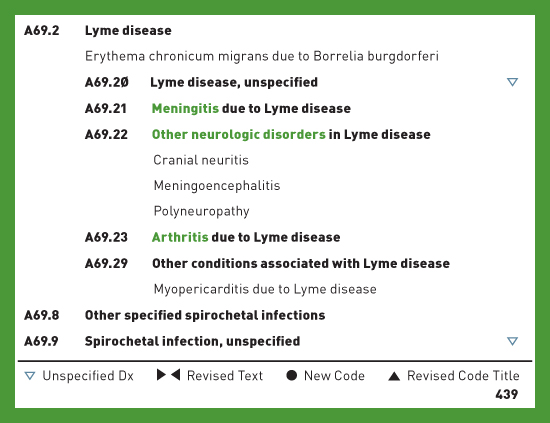
Medical billing and coding professionals should also understand the complexity of Lyme disease diagnosis. Accurate documentation ensures proper insurance reimbursement and streamlined patient care coordination.
At Icon Billing LLC, precise medical coding support helps healthcare providers maintain compliant and efficient billing practices for infectious disease management.
Effective Treatment Options for Lyme Disease
Antibiotic Treatment for Lyme Disease
The good news is that most cases of Lyme disease respond effectively to antibiotics when treated early. Commonly prescribed medications include:
- Doxycycline
- Amoxicillin
- Cefuroxime
Treatment duration generally ranges from 10 to 21 days depending on symptom severity and patient health status.
Patients with advanced Lyme disease involving neurological or cardiac complications may require intravenous antibiotics and more intensive monitoring.
Early intervention dramatically improves recovery outcomes and reduces the likelihood of chronic symptoms.
Post-Treatment Lyme Disease Syndrome
Some individuals continue experiencing symptoms even after completing treatment. This condition is referred to as Post-Treatment Lyme Disease Syndrome (PTLDS).
Symptoms may include:
- Fatigue
- Joint pain
- Brain fog
- Sleep disturbances
Researchers continue studying why certain patients experience lingering symptoms after Lyme-disease treatment. Current evidence suggests that prolonged antibiotic use is generally not recommended unless medically necessary.
Patients dealing with ongoing symptoms should work closely with healthcare professionals to develop supportive care strategies and symptom management plans.
Best Prevention Strategies for Lyme-Disease
Protecting Yourself Outdoors
Preventing Lyme-disease starts with minimizing tick exposure. Whether you enjoy outdoor recreation or simply spend time in grassy areas, taking preventive precautions is essential.
Helpful prevention tips include:
- Wear long sleeves and pants
- Use insect repellents containing DEET
- Stay on marked trails
- Avoid tall grass and dense vegetation
- Perform full-body tick checks after outdoor activities
Parents should also inspect children and pets carefully since ticks often hide in hair, behind ears, or under clothing.
Tick Removal and Home Protection
If you find a tick attached to your skin, remove it promptly using fine-tipped tweezers. Pull upward steadily without twisting to reduce the risk of bacterial transmission.
After removal:
- Clean the area thoroughly
- Wash your hands
- Monitor symptoms for several weeks
Homeowners can also reduce Lyme-disease risk by:
- Keeping lawns trimmed
- Removing leaf piles
- Creating gravel barriers between wooded areas and yards
- Using tick-control treatments when necessary
Public awareness remains one of the strongest defenses against Lyme-disease infections.
The Impact of Lyme-Disease on Healthcare Systems
Rising Cases and Medical Concerns
The number of reported Lyme-disease cases continues increasing in many regions. Climate changes, expanding tick habitats, and increased outdoor activity contribute to rising infection rates.
Healthcare providers face growing demands for:
- Accurate diagnostics
- Patient education
- Long-term symptom management
- Insurance documentation
This increase also affects medical billing workflows and healthcare administration systems.
The Importance of Accurate Medical Billing
Managing claims related to Lyme-disease requires precise coding and documentation practices. Errors in billing can delay reimbursements and create compliance risks for healthcare organizations.
Professional billing companies like Icon Billing LLC help medical practices optimize revenue cycle management while ensuring proper coding accuracy for infectious disease treatments and diagnostic services.
Efficient billing processes allow healthcare providers to focus more on patient care and less on administrative burdens.
Frequently Asked Questions About Lyme-Disease
What causes Lyme-disease?
Lyme-disease is caused by bacteria transmitted through infected black-legged tick bites.
Can Lyme-disease go away on its own?
Some symptoms may temporarily improve, but untreated Lyme-disease can lead to severe long-term complications.
What does a Lyme-disease rash look like?
The classic rash often resembles a bull’s-eye with a red outer ring surrounding a clear center.
Is Lyme-disease contagious?
No, Lyme-disease does not spread from person to person through casual contact.
How long does Lyme-disease treatment take?
Most antibiotic treatments last between 10 and 21 days depending on the severity of the infection.
Can Lyme-disease become chronic?
Some patients experience lingering symptoms after treatment, known as Post-Treatment Lyme-Disease Syndrome.
Are children at risk for Lyme-disease?
Yes, children who spend time outdoors in tick-prone areas are vulnerable to Lyme-disease infections.
Conclusion
Lyme-disease remains a significant public health concern that requires greater awareness, early diagnosis, and effective prevention strategies. Although the illness can become serious if left untreated, prompt medical care dramatically improves recovery outcomes.
Understanding the symptoms of Lyme-disease, recognizing tick exposure risks, and seeking timely treatment can help individuals avoid long-term complications. From outdoor prevention measures to accurate medical diagnosis and billing management, every step plays an important role in combating this growing health issue.
Healthcare providers and patients alike benefit from reliable education, proactive care, and efficient healthcare administration systems. As awareness continues to grow, early intervention and prevention will remain the strongest tools against Lyme-disease.