10 Powerful PCP Insights to Improve Patient Care and Avoid Costly Medical Billing Mistakes
Primary healthcare is the foundation of an effective healthcare system, and the role of a PCP—or Primary Care Provider—is more important than ever. From preventive care and chronic disease management to specialist referrals and routine health screenings, a PCP serves as the first point of contact for patients seeking medical care. For healthcare providers and medical billing professionals, understanding the responsibilities of a PCP is essential for accurate coding, proper reimbursement, and efficient revenue cycle management.
A PCP plays a central role in coordinating patient care, ensuring continuity of treatment, and promoting better health outcomes. Because many insurance plans require patients to select a PCP, medical practices must maintain accurate documentation, verify insurance eligibility, and submit clean claims to receive timely reimbursement. Errors in documentation or coding can lead to claim denials, payment delays, and compliance concerns.
This comprehensive guide explains what a PCP is, the different types of primary care providers, how PCP services affect medical billing, common coding challenges, insurance requirements, and how Icon Billing LLC helps healthcare practices optimize their billing processes.
What Is a PCP?
A PCP, or Primary Care Provider, is a healthcare professional who delivers comprehensive first-contact medical care and coordinates a patient’s ongoing healthcare needs. A PCP focuses on preventive care, diagnosing common illnesses, managing chronic conditions, and referring patients to specialists when necessary.
Depending on the healthcare setting, a PCP may be:
- Family Medicine Physician
- Internal Medicine Physician
- Pediatrician
- Nurse Practitioner (NP)
- Physician Assistant (PA)
Regardless of specialty, every PCP is responsible for establishing long-term relationships with patients and ensuring continuity of care.
Why PCP Services Matter
A PCP is often the healthcare professional patients see most frequently. Regular visits help detect health concerns early and reduce the need for costly emergency care.
Benefits of working with a PCP include:
- Preventive health screenings
- Annual wellness visits
- Chronic disease management
- Medication monitoring
- Vaccinations
- Specialist referrals
- Health education
- Care coordination
Strong primary care improves patient outcomes while supporting more efficient healthcare delivery.
How PCP Services Affect Medical Billing
Medical billing for P-C-P services requires accurate documentation and coding to ensure proper reimbursement.
Common billable services include:
- New patient evaluations
- Established patient office visits
- Annual wellness visits
- Preventive examinations
- Transitional care management
- Chronic care management
- Telehealth visits
- Immunizations
- Care coordination services
Each service must be supported by appropriate documentation and coding guidelines.
Insurance Requirements for PCP Visits
Many insurance plans require members to designate a P-C-P who manages their routine healthcare and specialist referrals.
Healthcare practices should verify:
- Patient eligibility
- P-C-P assignment
- Referral requirements
- Prior authorizations
- Copay obligations
- Deductible status
- Coverage limitations
Proper verification helps prevent claim denials and unexpected patient balances.
Common Billing Challenges
Medical practices providing P-C-P services often encounter:
- Incomplete documentation
- Incorrect CPT coding
- Diagnosis coding errors
- Missed preventive service billing
- Referral authorization issues
- Insurance verification problems
- Claim denials
- Delayed reimbursements
Implementing strong billing workflows helps reduce these challenges.
Best Practices for PCP Billing
Healthcare organizations can improve P-C-P billing by:
- Documenting services thoroughly
- Coding accurately
- Verifying insurance before appointments
- Tracking referrals
- Monitoring denied claims
- Training billing staff
- Conducting regular audits
- Staying current with payer policies
These best practices strengthen revenue cycle performance and compliance.
How Icon Billing LLC Helps PCP Practices
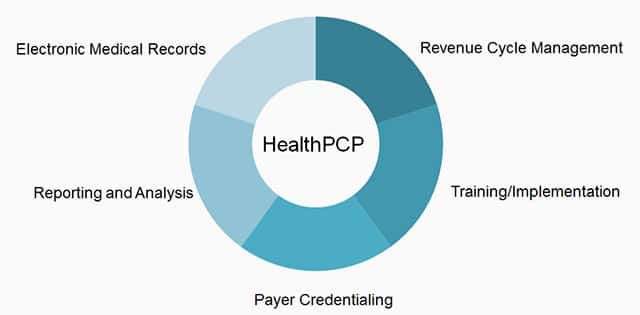
At Icon Billing LLC, we specialize in supporting P-C-P practices with comprehensive medical billing, coding, credentialing, denial management, and revenue cycle management services.
Our experienced billing professionals help healthcare organizations:
- Improve claim accuracy
- Reduce denials
- Optimize reimbursement
- Verify insurance eligibility
- Monitor payer compliance
- Strengthen documentation workflows
- Accelerate payment cycles
- Enhance financial performance
Whether you operate a solo family practice or a multi-provider primary care clinic, our customized billing solutions allow your team to focus on delivering outstanding patient care.

Frequently Asked Questions
What does PCP stand for?
P-C-P stands for Primary Care Provider, the healthcare professional responsible for delivering routine and preventive medical care.
Why is a P-C-P important?
A P-C-P helps coordinate patient care, manage chronic conditions, provide preventive services, and refer patients to specialists when necessary.
Do insurance plans require a P-C-P?
Many health insurance plans, particularly HMOs, require members to select a P-C-P for care coordination and specialist referrals.
How does P-C-P affect medical billing?
Accurate documentation, coding, insurance verification, and referral management are essential for proper reimbursement of P-C-P services.
What billing services does Icon Billing LLC provide?
Icon Billing LLC offers medical billing, coding, credentialing, denial management, insurance verification, and revenue cycle management services for healthcare providers.
Why choose Icon Billing LLC?
Our experienced team helps P-C-P practices improve billing accuracy, reduce administrative burdens, increase reimbursement, and maintain compliance with evolving healthcare regulations.
Conclusion
A P-C-P serves as the cornerstone of preventive healthcare, chronic disease management, and coordinated patient care. For healthcare providers, efficient billing processes are just as important as quality clinical services. Accurate coding, complete documentation, and proactive revenue cycle management help ensure financial stability while supporting excellent patient outcomes.
Partnering with Icon Billing LLC enables P-C-P practices to streamline medical billing, reduce claim denials, improve reimbursement, and focus on delivering high-quality healthcare to every patient.