
Introduction
Parkinson’s disease is a neurodegenerative disorder that affects millions of people worldwide, and proper diagnosis and billing codes are crucial for healthcare professionals. If you’re a medical biller or healthcare provider, understanding Parkinson’s disease ICD 10 codes is essential for accurate diagnosis, treatment, and billing. In this guide, we will dive into everything you need to know about Parkinson’s disease ICD 10, including the classification, how it’s coded, and how to handle billing efficiently.
What is Parkinson’s Disease?
Parkinson’s disease (PD) is a progressive disorder that affects movement. It develops when nerve cells in the brain that produce dopamine die or become impaired. Dopamine is a neurotransmitter that plays a key role in sending messages to the part of the brain that controls muscle movement. The lack of dopamine leads to symptoms such as tremors, stiffness, slowness of movement, and balance problems. In later stages, people with Parkinson’s may experience difficulties with thinking and memory.
Why is Parkinson’s Disease ICD 10 Important?
ICD-10 is the 10th revision of the International Classification of Diseases, which is used by healthcare providers to categorize and code all diagnoses, symptoms, and procedures. For healthcare professionals, accurate coding is essential to ensure that patients receive proper care and that medical bills are processed correctly.
The specific ICD-10 code for Parkinson’s disease is important for accurate documentation, treatment plans, and insurance reimbursements. This post will guide you through the most commonly used codes for Parkinson’s disease and help you understand their significance in medical billing.
Parkinson’s Disease ICD 10 Code Overview
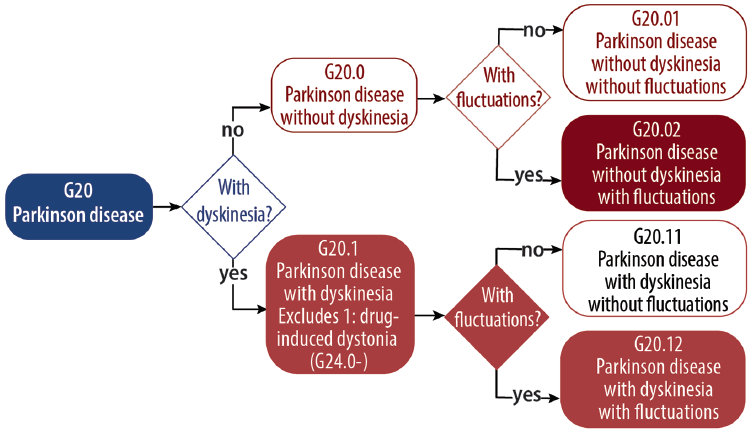
The ICD-10 code for Parkinson’s disease is G20. This code is used for the primary diagnosis of Parkinson’s disease and its related conditions. Here is a breakdown of some key codes and their meanings:
-
G20 – Parkinson’s Disease: This is the most commonly used ICD-10 code for Parkinson’s disease, used for individuals diagnosed with the condition.
-
G21 – Secondary Parkinsonism: This is used when Parkinson’s symptoms are caused by factors other than the primary Parkinson’s disease.
-
G22 – Parkinsonism due to other neurodegenerative diseases: This code is used when Parkinson’s disease-like symptoms arise from other neurodegenerative conditions.
These ICD-10 codes are crucial for accurate medical billing and can help healthcare professionals and medical billers ensure they are using the correct diagnostic codes.
How to Properly Code Parkinson’s Disease ICD 10
Proper coding is critical in healthcare to ensure that patients are treated accurately and that healthcare providers are reimbursed correctly. Here are a few tips on how to properly code Parkinson’s disease ICD 10:
-
Correct Diagnosis: When diagnosing Parkinson’s disease, ensure that the symptoms, such as tremors, rigidity, bradykinesia, and postural instability, are fully documented. Accurate documentation is essential to selecting the right ICD-10 code.
-
Use of Additional Codes: Sometimes Parkinson’s disease is accompanied by other conditions like dementia or depression. When these co-occurring conditions are present, make sure to include the appropriate ICD-10 codes for those as well.
-
Consider Laterality: Parkinson’s disease can affect one side of the body more than the other. ICD-10 allows the inclusion of laterality, so the coder must specify whether the disease is predominantly affecting the left side (G20.0), right side (G20.1), or unspecified side (G20.9).
-
Accurate Documentation of Symptoms: Many times, Parkinson’s disease is accompanied by non-motor symptoms such as sleep disorders, depression, and autonomic dysfunction. Ensure these symptoms are also captured and coded correctly.
Parkinson’s Disease ICD 10 and Its Impact on Medical Billing
Accurate billing and coding go hand in hand. Medical billers must understand the importance of correctly applying ICD-10 codes for Parkinson’s disease in order to ensure that the healthcare provider is reimbursed. Here’s how Parkinson’s disease ICD 10 affects medical billing:
-
Claim Denials: Incorrect ICD-10 codes can lead to claim denials. If the coding for Parkinson’s disease is not accurately documented, the insurance company may reject the claim, leading to delays in payments or financial losses.
-
Reimbursement Delays: Coding errors can result in the need for re-submission of claims, which leads to delayed reimbursements. Medical practices can face cash flow problems if Parkinson’s disease ICD 10 codes are not used correctly.
-
Compliance with Regulations: Accurate coding ensures that healthcare providers remain compliant with federal regulations. If coding errors are identified during audits, it could lead to penalties or other consequences.
Understanding Secondary Parkinsonism in ICD 10
Secondary Parkinsonism is a condition where symptoms similar to Parkinson’s disease occur due to another underlying issue. In such cases, the healthcare provider must use the correct ICD-10 code, such as G21 for secondary Parkinsonism, to ensure proper documentation.
Some causes of secondary Parkinsonism include:
-
Medications: Certain medications, such as antipsychotic drugs, can induce Parkinson’s-like symptoms.
-
Brain injury: Traumatic brain injuries or strokes can sometimes lead to secondary Parkinsonism.
-
Infections: Certain infections like encephalitis can also cause Parkinson’s-like symptoms.
It is important for medical billers and providers to differentiate between primary Parkinson’s disease and secondary Parkinsonism to ensure accurate billing and coding.

Common Challenges in Parkinson’s Disease ICD 10 Coding
Despite the availability of clear ICD-10 codes for Parkinson’s disease, there are still challenges that healthcare professionals face when coding for this condition. Some common challenges include:
-
Co-occurring Conditions: Parkinson’s disease often presents with a range of other conditions, such as depression, dementia, and sleep disorders. Coders must ensure that these conditions are documented and correctly coded.
-
Changes in Symptoms: As Parkinson’s disease progresses, the symptoms can change, and the coding might need to be updated. This can be challenging for coders who must stay up-to-date with the patient’s evolving symptoms.
-
Laterality Issues: Determining whether Parkinson’s disease is affecting one side of the body more than the other can sometimes be difficult, leading to confusion in coding.
How to Avoid Common Coding Errors for Parkinson’s Disease
To minimize the risk of coding errors when dealing with Parkinson’s disease ICD 10, follow these tips:
-
Stay Updated on ICD-10 Guidelines: The ICD-10 codes and guidelines may change over time, so it’s essential to stay updated to avoid coding mistakes.
-
Thoroughly Review Patient History: Make sure to document all aspects of the patient’s medical history, including any secondary symptoms, previous diagnoses, and co-occurring conditions.
-
Clarify Diagnosis with Physicians: If there’s any uncertainty about the diagnosis or the codes to use, always consult with the physician or specialist.
-
Regular Training for Coders and Billers: Ensure that the medical billing team receives continuous training on ICD-10 codes and Parkinson’s disease specifics. This will improve accuracy and reduce errors.
Conclusion
Understanding Parkinson’s disease ICD 10 coding is vital for both healthcare professionals and medical billers. Proper documentation and accurate coding help in diagnosing and treating Parkinson’s disease, ensuring proper reimbursement, and avoiding claim denials. By understanding the different codes for Parkinson’s disease and secondary Parkinsonism, healthcare providers can improve their clinical practice and billing processes.
For more detailed and specific billing information, consult with professional billing services like Icon Billing LLC. Our experts are here to help you with accurate coding, reduce billing errors, and improve your practice’s revenue cycle.