9 Powerful NPPES NPI Registry Tips to Improve Provider Verification and Avoid Costly Billing Errors
Accurate provider information is one of the most important elements of successful medical billing. Every healthcare claim submitted to Medicare, Medicaid, or commercial insurance companies must contain correct provider identification to ensure timely reimbursement. One of the most valuable resources for verifying provider information is the nppes npi registry. This publicly accessible database allows healthcare organizations, billing professionals, credentialing specialists, and patients to verify National Provider Identifier (NPI) records quickly and accurately.
Whether you manage a private practice, hospital, billing company, or healthcare organization, understanding how to use the nppes npi registry can improve billing accuracy, strengthen credentialing processes, and reduce claim rejections caused by incorrect provider information.
At Icon Billing LLC, we specialize in medical billing, credentialing, provider enrollment, coding support, denial management, and revenue cycle management. Our experienced team helps healthcare providers maintain accurate enrollment information while streamlining billing operations for maximum reimbursement.
This comprehensive guide explains what the nppes npi registry is, why it matters, how healthcare providers use it, common billing challenges, and best practices for maintaining accurate provider records.
What Is the NPPES NPI Registry?
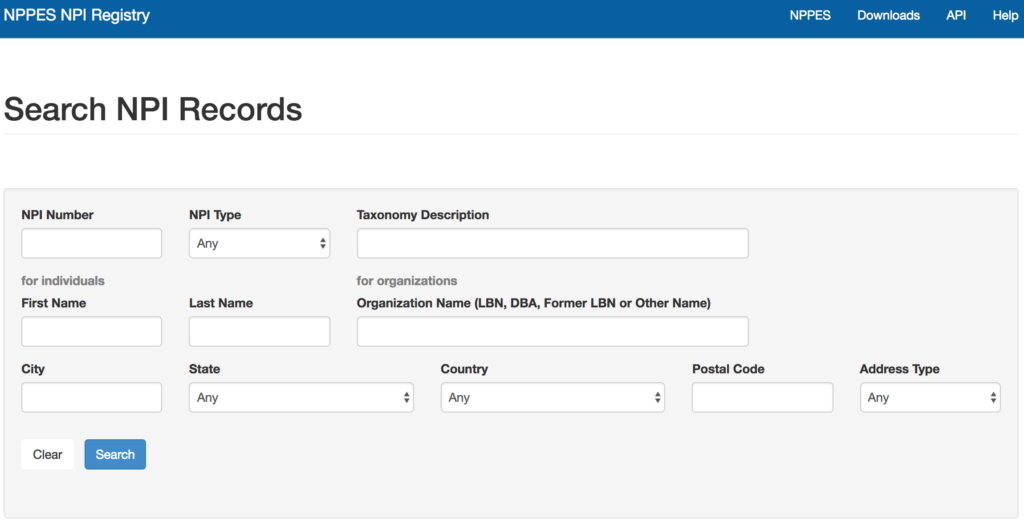
The nppes npi registry is the public search tool for the National Plan and Provider Enumeration System (NPPES), maintained by the Centers for Medicare & Medicaid Services (CMS). It allows users to search for healthcare providers and organizations using National Provider Identifier (NPI) information.
Each healthcare provider receives a unique 10-digit NPI that serves as a standard identifier for administrative and billing transactions.
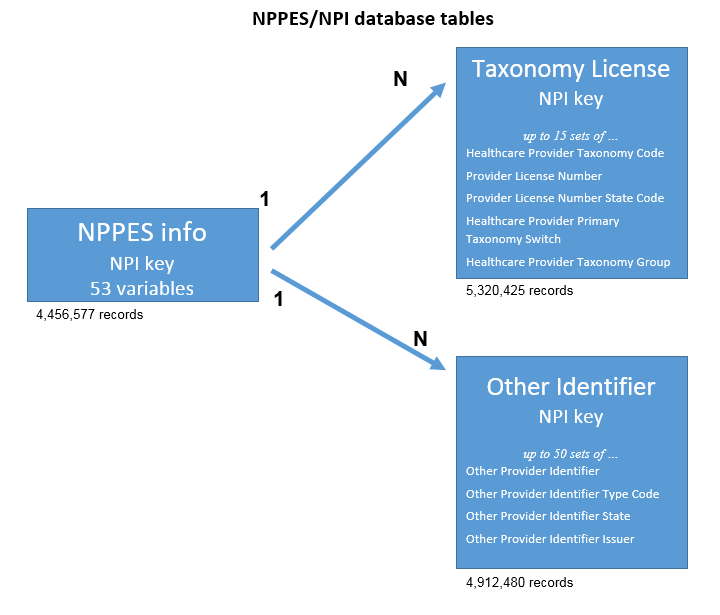
The nppes npi registry includes information such as:
- Provider name
- NPI number
- Provider taxonomy
- Practice address
- Mailing address
- Enumeration date
- Organization information
- Contact details (where available)
Healthcare organizations rely on the nppes npi registry to verify provider information before submitting insurance claims.
Why the NPPES NPI Registry Matters
Provider identification errors can delay reimbursements and create unnecessary administrative work. Using the nppes npi registry helps organizations maintain accurate provider records and reduce claim processing issues.
Benefits include:
Accurate Provider Verification
Billing teams can confirm provider information before claim submission.
Improved Claim Accuracy
Correct NPI information reduces rejected or delayed insurance claims.
Credentialing Support
Credentialing specialists use the registry to verify provider enrollment information.
Compliance
Maintaining accurate provider identifiers supports compliance with payer and regulatory requirements.
Operational Efficiency
Quick provider lookups improve workflow and reduce administrative delays.
Who Uses the NPPES NPI Registry?
Many healthcare professionals rely on the nppes npi registry every day.
Common users include:
- Medical billing companies
- Healthcare providers
- Hospitals
- Physician practices
- Credentialing specialists
- Insurance companies
- Healthcare consultants
- Government agencies
- Patients seeking provider verification
Because the registry is publicly accessible, it serves as a valuable resource across the healthcare industry.
Understanding National Provider Identifiers (NPI)
A National Provider Identifier is a unique identification number assigned to healthcare providers.
There are two primary NPI types:
Type 1 NPI
Assigned to individual healthcare providers such as physicians, nurse practitioners, physician assistants, therapists, dentists, and other licensed professionals.
Type 2 NPI
Assigned to healthcare organizations, hospitals, clinics, laboratories, medical groups, and other legal entities.
Both provider types appear within the nppes npi registry.
Common Uses of the NPPES NPI Registry
Healthcare organizations use the registry for many administrative purposes.
Examples include:
- Verifying provider identity
- Confirming billing information
- Supporting insurance enrollment
- Reviewing taxonomy codes
- Checking practice locations
- Updating provider records
- Credentialing verification
- Referral coordination
Routine use of the nppes npi registry helps maintain clean provider data across billing systems.
Common Medical Billing Challenges
Provider information errors remain one of the leading causes of claim delays.
Common issues include:
Incorrect NPI Numbers
Submitting claims with invalid NPIs often results in claim rejection.
Outdated Provider Information
Changes in addresses or organizational affiliations must be updated promptly.
Credentialing Delays
Incomplete provider records may delay insurance enrollment.
Taxonomy Errors
Incorrect specialty codes can affect claim processing.
Regular verification using the nppes npi registry helps minimize these issues.
Best Practices for Provider Verification
Healthcare organizations should establish standardized provider verification procedures.
Recommended best practices include:
- Verify provider NPIs before claim submission.
- Review taxonomy information regularly.
- Update provider records promptly.
- Perform routine internal audits.
- Coordinate billing and credentialing departments.
- Confirm practice locations.
- Maintain accurate enrollment documentation.
Strong verification processes improve billing accuracy and reduce administrative costs.
How Accurate Provider Information Improves Revenue Cycle Management
Maintaining accurate provider records supports every stage of revenue cycle management.
Benefits include:
- Faster claim processing
- Reduced denials
- Improved reimbursement
- Better compliance
- Enhanced workflow efficiency
- Lower administrative costs
Reliable provider information creates a stronger financial foundation for healthcare organizations.
How Icon Billing LLC Helps Healthcare Providers
At Icon Billing LLC, we help healthcare organizations simplify complex administrative processes through comprehensive billing and credentialing services.
Our services include:
- Medical billing
- Provider credentialing
- Provider enrollment
- NPI verification
- Insurance verification
- Medical coding support
- Denial management
- Revenue cycle management
- Compliance assistance
Our experienced professionals work closely with healthcare providers to improve reimbursement while maintaining accurate provider information and regulatory compliance.
Frequently Asked Questions
What is the NPPES NPI Registry?
The nppes npi registry is the official public database used to search and verify National Provider Identifier (NPI) information for healthcare providers and organizations.
Who uses the NPPES NPI Registry?
Healthcare providers, billing companies, credentialing specialists, insurance companies, hospitals, and patients use the registry to verify provider information.
Why is provider verification important?
Accurate provider information helps reduce claim denials, improve reimbursement, and support regulatory compliance.
Can incorrect NPI information delay claims?
Yes. Incorrect or outdated NPI information may result in claim rejection or payment delays.
How can Icon Billing LLC help?
Icon Billing LLC provides provider credentialing, enrollment, medical billing, coding support, denial management, and revenue cycle management to help healthcare organizations improve operational efficiency.
Conclusion
Maintaining accurate provider information is essential for efficient medical billing, successful credentialing, and timely reimbursement. The nppes npi registry serves as a valuable resource for verifying provider identities, confirming practice information, and supporting compliant billing operations.
Healthcare organizations that routinely verify provider records can reduce claim denials, improve administrative efficiency, and strengthen revenue cycle performance.
At Icon Billing LLC, we help providers optimize medical billing through expert credentialing, coding support, provider enrollment, denial management, and revenue cycle management services. Our experienced team is committed to helping healthcare organizations improve billing accuracy while maintaining compliance with payer and regulatory requirements.