Introduction
If you’re navigating the complex world of healthcare coverage, understanding medicare part d is absolutely essential. Prescription drug costs can skyrocket without proper coverage, and that’s where medicare part d comes in as a powerful solution. Whether you’re a patient, provider, or billing specialist, knowing how medicare part d works can save money, reduce stress, and ensure better health outcomes.
Managed under the oversight of Centers for Medicare & Medicaid Services, medicare part d provides prescription drug coverage through private insurance plans approved by Medicare. However, many people still find it confusing, leading to costly mistakes and missed opportunities.
In this comprehensive guide, we’ll break down everything you need to know about medicare part d, from eligibility and enrollment to coverage gaps and optimization strategies.
Understanding Medicare Part D: Coverage, Basics, and Importance
What Is Medicare Part D and How Does It Work?
Medicare part d is a federal program designed to help beneficiaries cover the cost of prescription medications. Unlike other parts of Medicare, medicare part d is offered through private insurance companies that contract with Medicare.
Each medicare part d plan has its own list of covered drugs, known as a formulary. These formularies categorize medications into tiers, affecting how much patients pay out-of-pocket. Understanding your plan’s formulary is critical for maximizing the benefits of medicare part d.
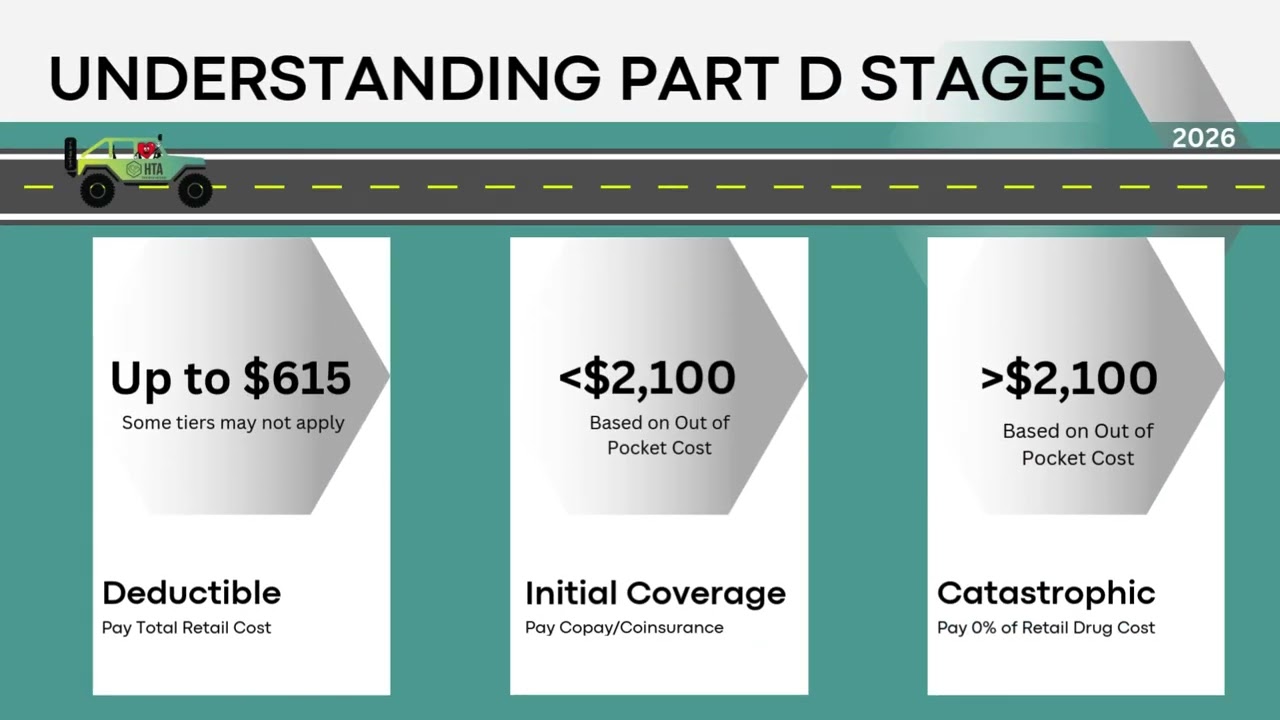
Another important aspect is cost-sharing. Beneficiaries typically pay a monthly premium, annual deductible, and copayments or coinsurance. Despite these costs, medicare part d significantly reduces the financial burden of prescription drugs.
Why Medicare Part D Matters More Than Ever
Healthcare costs are rising rapidly, and prescription drugs are a major contributor. Without medicare part d, many seniors and eligible individuals would struggle to afford necessary medications.
Additionally, medicare part d protects against catastrophic drug expenses. Once a beneficiary reaches a certain spending threshold, the plan covers a larger portion of costs, offering financial relief.
From a medical billing perspective, understanding medicare part d ensures accurate claims processing, reduces denials, and improves patient satisfaction. For providers like Icon Billing LLC, expertise in medicare part d is a competitive advantage.
Eligibility and Enrollment in Medicare Part D
Who Qualifies for Medicare Part D?
Eligibility for medicare part d is straightforward but essential to understand. Individuals who are enrolled in Medicare Part A or Part B can join a medicare part d plan.
Most beneficiaries include:
- Seniors aged 65 and older
- Younger individuals with qualifying disabilities
- Patients with end-stage renal disease (ESRD)
Failing to enroll in medicare part d when first eligible may result in late enrollment penalties, which can increase monthly premiums permanently.
When and How to Enroll in Medicare Part D
Enrollment periods are critical in medicare part d planning. The Initial Enrollment Period (IEP) begins three months before turning 65 and ends three months after.
There’s also the Annual Enrollment Period (AEP), typically from October 15 to December 7, when beneficiaries can switch or enroll in a medicare part d plan.
Missing these windows can lead to penalties or delayed coverage. That’s why timely enrollment in medicare part-d is crucial for avoiding unnecessary costs.
Costs and Coverage Structure of Medicare Part-D
Breaking Down Medicare Part-D Costs
Understanding the cost structure of medicare part-d is key to making informed decisions. The main components include:
- Monthly premiums
- Annual deductibles
- Copayments or coinsurance
- Coverage gap (donut hole) expenses
Each medicare part-d plan varies, so comparing options is essential. While premiums may seem affordable, out-of-pocket costs can differ significantly depending on medication needs.
The Coverage Gap and Catastrophic Coverage
One of the most talked-about aspects of medicare part-d is the coverage gap, often called the “donut hole.” During this phase, beneficiaries may pay a higher percentage of drug costs.
However, recent reforms have reduced the financial burden within the donut hole. Once out-of-pocket spending reaches a certain limit, catastrophic coverage kicks in, drastically lowering costs.
Understanding these phases helps beneficiaries plan better and maximize their medicare part-d benefits.
Common Mistakes to Avoid with Medicare Part-D
Choosing the Wrong Plan
One of the biggest mistakes people make with medicare part-d is selecting a plan without reviewing their medication needs. Not all plans cover the same drugs, and failing to check the formulary can lead to unexpected expenses.
Ignoring Annual Plan Reviews
Many beneficiaries stick with the same medicare part-d plan year after year. However, plans change annually, including premiums, formularies, and pharmacy networks.
Reviewing your medicare part-d plan each year ensures you’re getting the best value and coverage.
Missing Enrollment Deadlines
Late enrollment penalties can add up over time. Missing deadlines for medicare part-d can result in higher premiums for life, making it essential to stay informed about enrollment periods.
How Medical Billing Companies Can Optimize Medicare Part-D Claims
Accurate Coding and Documentation
For billing companies like Icon Billing LLC, understanding medicare part-d is vital for accurate claims submission. Proper coding and documentation reduce claim denials and improve reimbursement rates.
Staying Updated with Policy Changes
Policies related to medicare part-d frequently change. Staying updated ensures compliance and helps providers avoid costly errors.
Improving Patient Communication
Educating patients about their medicare part-d coverage improves satisfaction and reduces confusion. Clear communication ensures patients understand their financial responsibilities.
Advanced Strategies to Maximize Medicare Part-D Benefits
Comparing Plans Annually
Using tools like the official Medicare Plan Finder (visit Medicare Plan Finder) allows beneficiaries to compare medicare part-d plans and choose the most cost-effective option.
Utilizing Generic Medications
Generic drugs are often significantly cheaper and widely covered under medicare part-d. Switching to generics can reduce out-of-pocket expenses.
Applying for Extra Help Programs
Low-income beneficiaries may qualify for Extra Help, which reduces costs associated with medicare part-d, including premiums and copayments.
FAQs
What does Medicare Part-D cover?
Medicare part-d covers prescription medications, including both brand-name and generic drugs, depending on the plan’s formulary.
Is Medicare Part-D mandatory?
No, but not enrolling in medicare part-d when eligible may result in late penalties.
Can I change my Medicare Part-D plan?
Yes, during the Annual Enrollment Period, you can switch your medicare part-d plan.
What is the donut hole in Medicare Part-D?
It’s a temporary coverage gap where beneficiaries may pay more for medications under medicare part-d.
Are all drugs covered under Medicare Part-D?
No, each medicare part-d plan has its own formulary, so coverage varies.
How can I lower my Medicare Part-D costs?
You can reduce costs by choosing the right plan, using generics, and applying for assistance programs within medicare part-d.
Conclusion
Understanding medicare part-d isn’t just helpful—it’s essential. From enrollment and costs to coverage gaps and optimization strategies, every detail matters when it comes to managing prescription drug expenses.
By avoiding common mistakes and leveraging smart strategies, beneficiaries can maximize their medicare part-d benefits while minimizing costs. For healthcare providers and billing experts like Icon Billing LLC, mastering medicare part-d ensures smoother operations, fewer claim denials, and better patient outcomes.
In today’s complex healthcare landscape, staying informed about medicare part-d is the key to financial protection and peace of mind.