Introduction
Accurate medical coding is the backbone of successful healthcare revenue cycles, and when it comes to cardiovascular conditions, congestive heart failure icd 10 coding plays a critical role. For medical billing professionals, coders, and healthcare providers, understanding how to correctly apply congestive heart failure icd 10 codes can mean the difference between smooth reimbursements and costly claim denials.
Heart failure is one of the most commonly diagnosed conditions in the United States, making precise documentation and coding essential. However, the complexity of congestive heart failure icd 10 classifications often leads to confusion, undercoding, or overcoding — all of which can negatively impact revenue and compliance.
In this comprehensive guide, we’ll break down everything you need to know about congestive heart failure icd 10, including coding guidelines, common mistakes, billing tips, and proven strategies to ensure accuracy and efficiency.
Understanding Congestive Heart Failure ICD 10 Codes
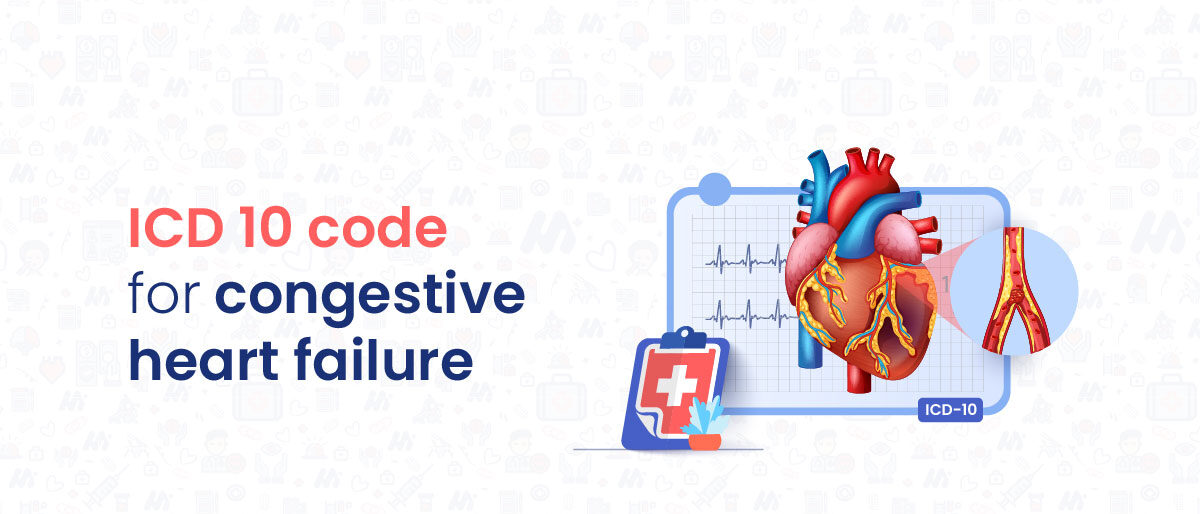
The congestive heart failure icd 10 classification falls under category I50, which includes various types and severities of heart failure. These codes are designed to capture detailed clinical information for accurate billing and reporting.
Key ICD 10 Categories for Heart Failure
Some of the most commonly used congestive heart failure icd 10 codes include:
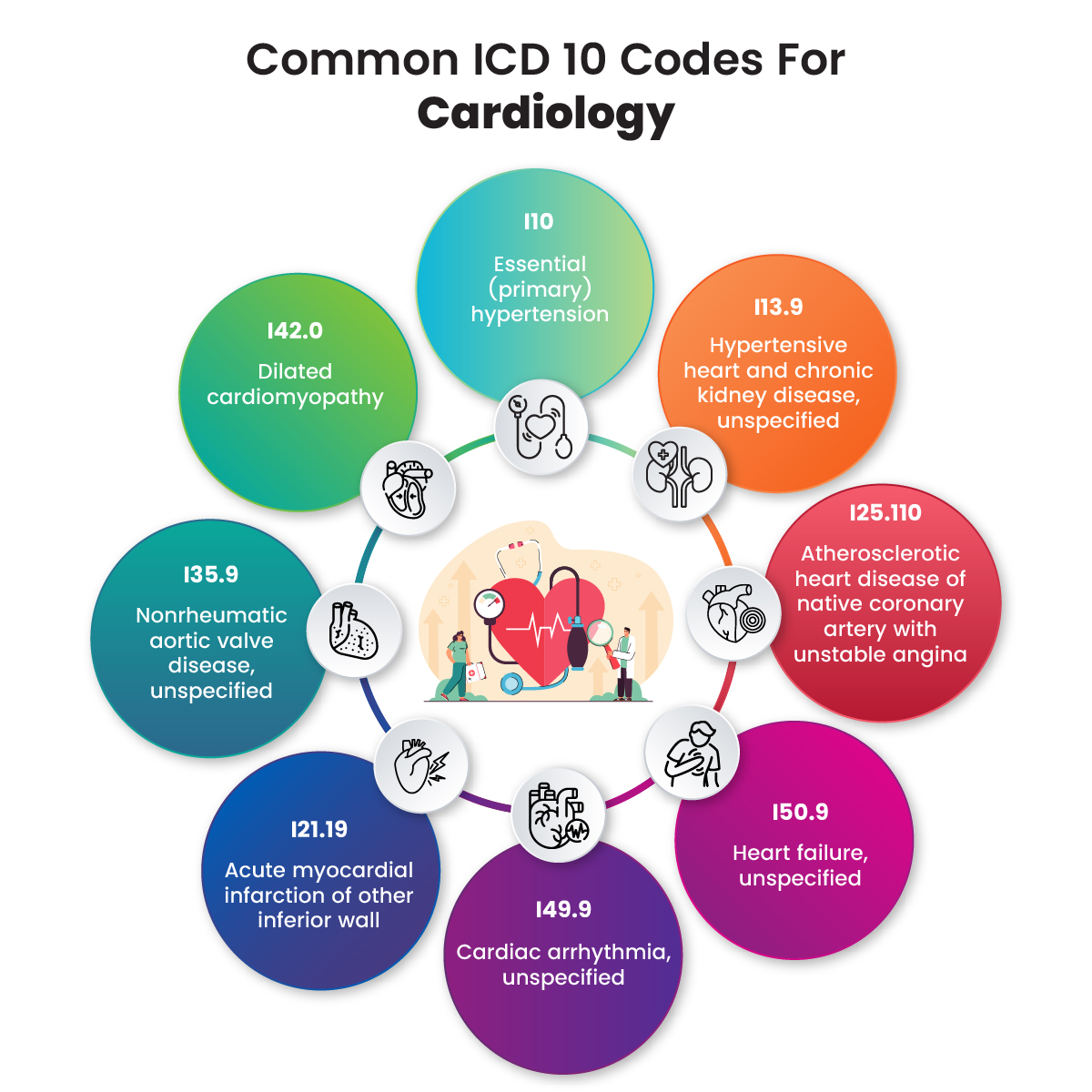
- I50.9 – Heart failure, unspecified
- I50.2 – Systolic (congestive) heart failure
- I50.3 – Diastolic (congestive) heart failure
- I50.4 – Combined systolic and diastolic heart failure
Each congestive heart failure icd 10 code requires proper documentation to justify its use.
Why Specificity Matters in Coding
Using the correct congestive heart failure icd 10 code ensures:
- Accurate reimbursement
- Reduced claim denials
- Compliance with payer requirements
- Better patient data tracking
Without specificity, claims may be rejected or delayed, impacting cash flow.
Types of Congestive Heart Failure and Their ICD 10 Codes
Understanding the different types of heart failure is essential for selecting the right congestive heart failure icd 10 code.
Systolic Heart Failure
Systolic heart failure occurs when the heart cannot pump effectively. The relevant congestive heart failure icd 10 codes include:
- I50.20 – Unspecified systolic heart failure
- I50.21 – Acute systolic heart failure
- I50.22 – Chronic systolic heart failure
- I50.23 – Acute on chronic systolic heart failure
Diastolic Heart Failure
Diastolic heart failure happens when the heart cannot relax properly. Common congestive heart failure icd 10 codes include:
- I50.30 – Unspecified diastolic heart failure
- I50.31 – Acute diastolic heart failure
- I50.32 – Chronic diastolic heart failure
- I50.33 – Acute on chronic diastolic heart failure
Combined Heart Failure
This includes both systolic and diastolic dysfunction, requiring precise congestive heart failure icd 10 coding for accurate billing.
Documentation Requirements for Accurate Coding
Proper documentation is the foundation of correct congestive heart failure icd 10 coding.
Essential Clinical Details
To assign the right congestive heart failure icd 10 code, documentation must include:
- Type of heart failure
- Acuity (acute, chronic, or acute on chronic)
- Underlying causes
- Associated conditions
Provider Responsibility
Healthcare providers must clearly document all relevant details. Coders rely heavily on this information to assign the appropriate congestive heart failure icd 10 code.
Impact on Reimbursement
Incomplete documentation can lead to:
- Claim denials
- Delayed payments
- Compliance risks
Accurate congestive heart failure icd 10 coding ensures optimal reimbursement.
Common Coding Mistakes to Avoid
Even experienced professionals make errors when handling congestive heart failure icd 10 codes.
Using Unspecified Codes Too Often
Relying on unspecified congestive heart failure icd 10 codes like I50.9 can trigger audits and reduce reimbursement.
Ignoring Acuity
Failing to indicate whether the condition is acute or chronic leads to incorrect congestive heart failure icd 10 coding.
Lack of Documentation
Insufficient clinical detail often results in coding errors and claim denials.
Best Practices for Medical Billing Success
To optimize your workflow and accuracy, follow these proven strategies for congestive heart failure icd 10 coding.
Regular Training and Updates
ICD-10 guidelines are updated regularly. Staying informed ensures accurate congestive heart failure icd 10 coding.
Use Coding Software and Tools
Advanced tools can help verify congestive heart failure icd-10 codes and reduce human error.
Conduct Internal Audits
Routine audits help identify and correct mistakes in congestive heart failure icd-10 coding.
How Accurate Coding Improves Revenue Cycle Management
Correct congestive heart failure icd-10 coding directly impacts your financial performance.
Faster Claim Processing
Accurate codes reduce rejections and speed up payments.
Improved Compliance
Proper congestive heart failure icd-10 coding ensures adherence to payer regulations.
Enhanced Data Accuracy
Reliable coding supports better clinical and financial reporting.
For official ICD-10 guidelines, visit:
https://www.cdc.gov/nchs/icd/icd10cm.htm
Role of Professional Billing Services
Partnering with experts like Icon Billing LLC can streamline congestive heart failure icd-10 coding.
Expert Knowledge
Professional billing teams stay updated on all congestive heart failure icd-10 changes.
Reduced Errors
Experienced coders minimize mistakes and maximize reimbursements.
Focus on Patient Care
Outsourcing allows providers to focus on delivering quality care.
FAQs
What is congestive heart failure icd-10?
It refers to the ICD-10 codes used to classify and document heart failure conditions for billing and reporting.
Why is congestive heart failure icd-10 coding important?
It ensures accurate reimbursement, compliance, and proper patient recordkeeping.
What is the most common code for heart failure?
I50.9 is commonly used but should be avoided when more specific options are available.
Can incorrect coding lead to claim denial?
Yes, errors in congestive heart failure icd-10 coding often result in denied or delayed claims.
How can I improve coding accuracy?
Focus on detailed documentation, regular training, and using updated coding tools.
Should I outsource medical billing?
Outsourcing can improve accuracy and efficiency, especially for complex coding like congestive heart failure icd-10.
Conclusion
Mastering congestive heart failure icd-10 coding is essential for healthcare providers and billing professionals aiming to improve accuracy, compliance, and revenue. With detailed documentation, proper training, and adherence to coding guidelines, you can avoid costly errors and ensure smooth claim processing.