
7 Powerful ICD 10 Code for Transaminitis Insights to Improve Medical Billing Accuracy and Avoid Costly Coding Mistakes
Accurate medical coding plays a critical role in healthcare reimbursement, compliance, and patient record management. For healthcare providers treating patients with elevated liver enzymes, understanding the appropriate icd 10 code for transaminitis is essential for submitting accurate claims and maintaining complete clinical documentation.
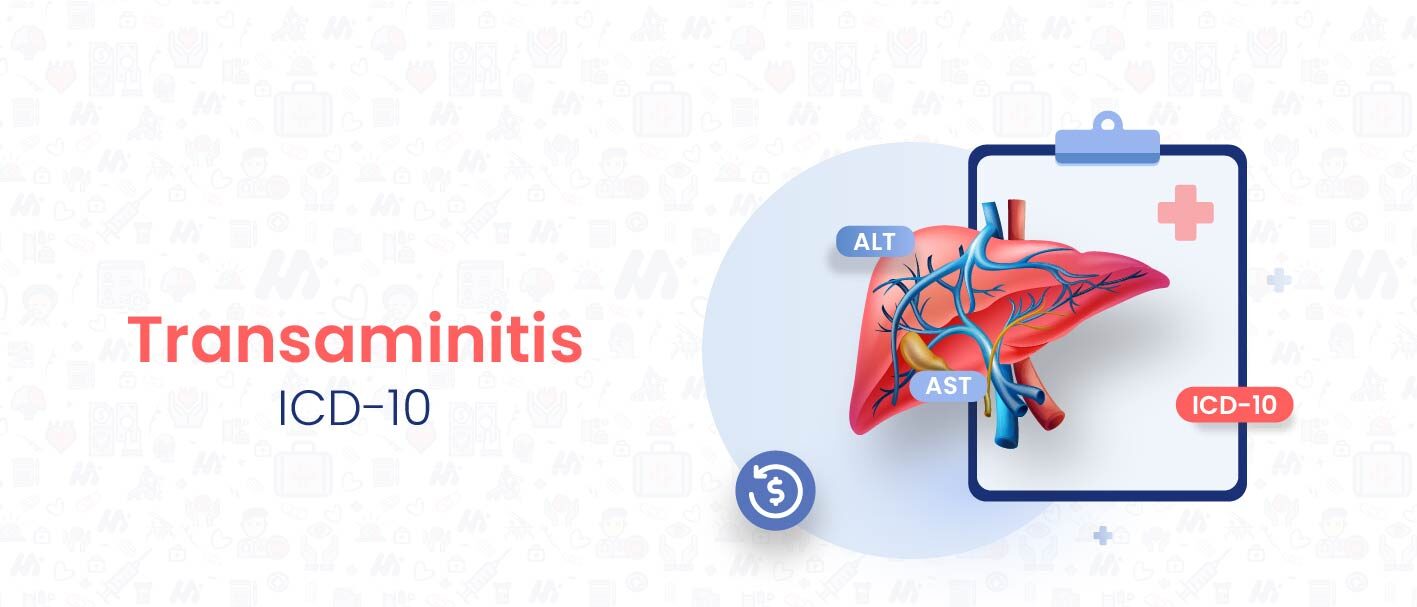
Transaminitis refers to elevated levels of liver enzymes, particularly alanine aminotransferase (ALT) and aspartate aminotransferase (AST). While it is not a specific disease itself, it can indicate underlying conditions such as liver inflammation, medication effects, viral infections, metabolic disorders, or other medical concerns. Proper documentation and coding help healthcare providers communicate the patient’s condition clearly while supporting appropriate reimbursement.
For medical billing professionals, selecting the correct icd 10 code for transaminitis requires careful attention to provider documentation, clinical findings, and coding guidelines. Incorrect coding can lead to claim denials, delayed payments, compliance issues, and inaccurate medical records.
At Icon Billing LLC, we help healthcare providers improve billing accuracy through professional medical billing, coding support, denial management, credentialing, and revenue cycle management services. Our experienced team understands the importance of accurate ICD-10 coding and helps practices maintain efficient reimbursement processes.
This guide explains what transaminitis means, how ICD-10 coding applies, the importance of documentation, common billing challenges, and best practices for healthcare organizations.
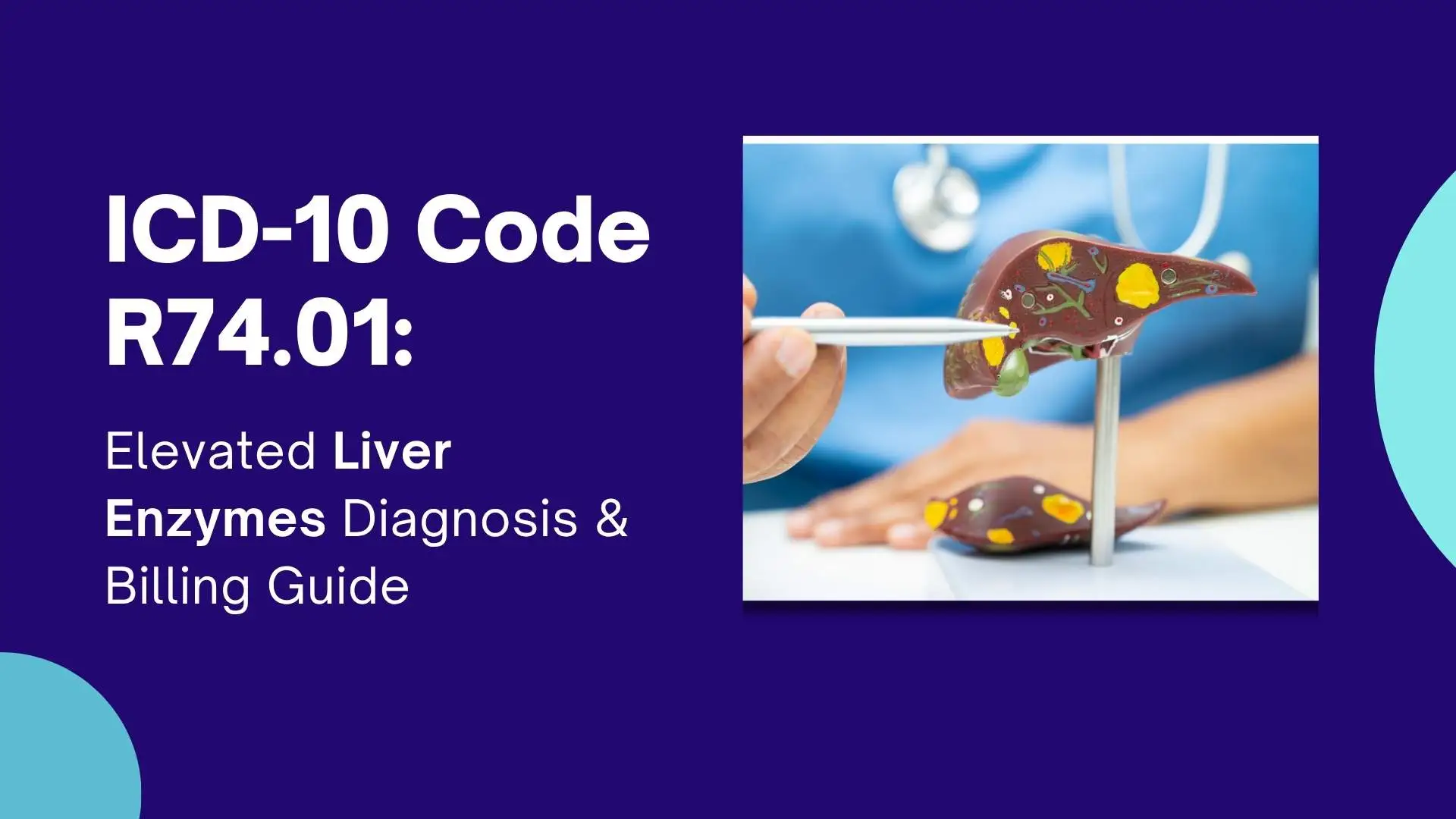
What Is Transaminitis?
Transaminitis is a medical term used when liver enzymes in the bloodstream are higher than normal. The liver naturally produces enzymes that help with important metabolic functions, but elevated levels may suggest irritation, inflammation, or injury affecting liver cells.
Common liver enzymes evaluated include:
- Alanine aminotransferase (ALT)
- Aspartate aminotransferase (AST)
- Alkaline phosphatase (ALP)
- Gamma-glutamyl transferase (GGT)
Healthcare providers may identify transaminitis during routine blood tests or when evaluating symptoms related to liver function.
Potential causes of elevated liver enzymes may include:
- Viral hepatitis
- Fatty liver disease
- Alcohol-related liver injury
- Medication reactions
- Autoimmune conditions
- Metabolic disorders
- Muscle injury
- Certain infections
Because transaminitis describes a finding rather than a final diagnosis, providers must document the patient’s condition carefully before assigning the most appropriate code.
Understanding the ICD-10 Code for Transaminitis
One of the most important considerations in medical billing is choosing the correct icd 10 code for transaminitis based on available documentation.
In many cases, transaminitis is coded using an abnormal liver function finding code when no specific liver disease diagnosis has been established. The provider’s documentation determines whether the condition should be coded as an abnormal laboratory finding or as a confirmed underlying diagnosis.
Medical coders should avoid assigning codes based on assumptions. Coding must reflect what the provider has documented in the patient’s medical record.
Accurate use of the icd 10 code for transaminitis helps ensure:
- Proper claim submission
- Accurate patient records
- Better communication among providers
- Reduced compliance risks
- Improved reimbursement outcomes
Why Accurate Coding Matters in Medical Billing
Medical coding directly affects the financial health of healthcare practices. Even a small coding error can result in denied claims, payment delays, or additional administrative work.
When documenting cases involving elevated liver enzymes, healthcare providers and billing teams must ensure:
- The diagnosis is clearly documented
- Laboratory findings are properly recorded
- Medical necessity is supported
- Coding follows ICD-10-CM guidelines
- Claims match clinical documentation
Using the correct icd 10 code for transaminitis helps create consistency between the patient’s condition, medical records, and insurance claim information.
Common Medical Billing Challenges Related to Liver Enzyme Coding
Healthcare practices may face several challenges when billing for conditions involving abnormal liver function.
Incomplete Documentation
If documentation does not clearly explain why liver enzymes are elevated, coders may struggle to select the correct code.
Incorrect Diagnosis Selection
A common mistake is coding a suspected condition as confirmed without provider documentation.
Lack of Supporting Information
Insurance companies may require sufficient documentation to justify testing, treatment, or follow-up care.
Claim Denials
Incorrect or incomplete coding may result in rejected claims and delayed reimbursement.
Professional medical billing support helps practices reduce these issues and maintain compliance.
The Role of Medical Documentation
Documentation is the foundation of accurate coding. Providers should include relevant details such as:
- Patient symptoms
- Laboratory results
- Clinical assessment
- Possible causes being evaluated
- Treatment plan
- Follow-up recommendations
Strong documentation allows coding professionals to correctly apply the icd 10 code for transaminitis and related diagnosis codes when appropriate.
How Icon Billing LLC Supports Accurate ICD-10 Coding
At Icon Billing LLC, we understand that accurate coding is essential for successful healthcare reimbursement. Our medical billing specialists work with healthcare providers to improve claim accuracy, reduce denials, and optimize revenue cycle performance.
Our services include:
- Medical billing
- ICD-10 coding support
- CPT coding assistance
- Insurance verification
- Credentialing services
- Denial management
- Revenue cycle management
- Claims follow-up
We help healthcare organizations focus on patient care while our experts handle complex billing requirements.
ICD-10 Coding Best Practices for Transaminitis Cases
Accurate coding requires a strong connection between clinical documentation and the diagnosis reported on an insurance claim. When healthcare providers evaluate patients with elevated liver enzymes, the coding team must carefully review the medical record before assigning the appropriate icd 10 code for transaminitis.
Medical coders should never rely only on laboratory results without considering the provider’s final assessment. Elevated AST or ALT levels may indicate several different conditions, but coding decisions must be based on documented diagnoses rather than assumptions.
Following proper ICD-10-CM coding practices helps healthcare organizations maintain compliance and avoid unnecessary claim issues.
Important coding practices include:
- Reviewing provider documentation carefully
- Confirming whether a condition is confirmed or suspected
- Matching diagnosis codes with clinical findings
- Avoiding unsupported diagnosis coding
- Maintaining accurate medical records
- Following current ICD-10-CM guidelines
When documentation supports the diagnosis clearly, the correct icd 10 code for transaminitis can improve claim accuracy and reduce confusion during insurance reviews.
Common Mistakes When Using ICD-10 Code for Transaminitis
Medical billing errors can create significant challenges for healthcare practices. Incorrect coding may result in denied claims, delayed reimbursement, compliance concerns, and additional administrative workload.
Understanding common mistakes helps billing teams and healthcare providers improve accuracy.
Coding Without Provider Documentation
One of the most frequent mistakes occurs when a coder assigns a diagnosis based only on laboratory findings. Coders must report conditions documented by the healthcare provider rather than independently interpreting test results.
For example, abnormal liver enzymes alone may not confirm a specific liver disease. The medical record must support the diagnosis being submitted.
Using an Incorrect Diagnosis Category
Another challenge is selecting a code that does not accurately represent the patient’s condition. Transaminitis may be related to multiple causes, and the final diagnosis depends on the provider’s evaluation.
Using the wrong icd 10 code for transaminitis can create inconsistencies between the patient’s medical record and the insurance claim.
Ignoring Updated Coding Guidelines
ICD-10-CM codes and guidelines may change over time. Healthcare organizations should ensure coding staff stay updated with current requirements to maintain compliance.
Failing to Document Medical Necessity
Insurance companies often require clear documentation explaining why services, laboratory testing, imaging, or follow-up care were medically necessary.
Strong documentation supports accurate use of the icd 10 code for transaminitis and improves the likelihood of successful reimbursement.
How Transaminitis Coding Impacts Revenue Cycle Management
Revenue cycle management involves every step from patient registration to final payment collection. Accurate diagnosis coding plays a major role in this process.
When coding errors occur, healthcare organizations may experience:
- Increased claim denials
- Delayed insurance payments
- Additional staff workload
- Higher administrative costs
- Compliance risks
- Lower revenue collection
A properly managed billing process ensures that documentation, coding, and claims submission work together efficiently.
For practices treating patients with elevated liver enzymes, accurate reporting of the icd 10 code for transaminitis helps create a smoother reimbursement process.
Professional billing companies like Icon Billing LLC help healthcare organizations identify potential billing problems before they affect revenue.
Improving Documentation for Better Coding Accuracy
Healthcare providers can improve coding accuracy by creating detailed and consistent documentation.
Recommended documentation practices include:
Record Relevant Clinical Findings
Providers should document symptoms, examination findings, laboratory results, and clinical observations related to the patient’s condition.
Explain the Assessment
The assessment section should clearly describe the provider’s medical impression and diagnosis.
Include Treatment Plans
Documentation should explain recommended treatments, additional testing, referrals, or follow-up plans.
Maintain Consistent Records
Patient records should provide a complete picture of the patient’s healthcare journey.
Better documentation allows medical coders to select the appropriate icd 10 code for transaminitis while supporting compliance and reimbursement requirements.
The Importance of Medical Coding Compliance
Healthcare organizations must follow strict coding compliance standards to avoid financial penalties and regulatory issues.
Compliance involves:
- Accurate ICD-10-CM code selection
- Proper documentation review
- Regular coding audits
- Staff education
- Following payer requirements
- Protecting patient information
A compliant coding process protects healthcare providers while ensuring patients receive accurate medical records.
The correct use of the icd 10 code for transaminitis is one part of a larger compliance strategy that includes documentation quality, billing accuracy, and effective revenue cycle management.
How Medical Billing Companies Help With ICD-10 Accuracy
Managing medical billing internally can be challenging, especially as healthcare regulations continue to evolve. Many practices partner with professional billing companies to improve efficiency and reduce administrative burdens.
A specialized medical billing company can help with:
- ICD-10 coding review
- Claim submission
- Insurance follow-up
- Denial prevention
- Payment posting
- Compliance monitoring
- Revenue optimization
At Icon Billing LLC, our experienced team works with healthcare providers to simplify complex billing processes. We help practices improve coding accuracy, reduce rejected claims, and maintain a healthier revenue cycle.
Our experts understand that every diagnosis code matters. Whether dealing with routine office visits or more complex conditions involving liver function abnormalities, accurate coding supports better financial performance.
Why Healthcare Providers Choose Icon Billing LLC
Healthcare providers need a billing partner that understands the complexity of modern medical reimbursement. At Icon Billing LLC, we provide customized solutions designed around each practice’s needs.
Our medical billing services include:
Professional Medical Billing
We manage claims submission, payment tracking, and insurance communication to help practices receive timely reimbursement.
ICD-10 Coding Support
Our specialists review documentation and coding processes to help improve claim accuracy.
Denial Management
We analyze rejected claims, identify issues, and develop strategies to reduce future denials.
Credentialing Services
We assist providers with enrollment and participation requirements for insurance networks.
Revenue Cycle Management
Our team helps optimize every stage of the billing process, from patient registration through final payment.
By partnering with Icon Billing LLC, healthcare organizations can spend less time managing administrative challenges and more time focusing on patient care.
Frequently Asked Questions
What is the ICD-10 code for transaminitis?
The appropriate icd 10 code for transaminitis depends on the provider’s documentation and whether the condition is documented as an abnormal liver function finding or a specific underlying diagnosis.
Why is accurate transaminitis coding important?
Accurate coding ensures that medical records, insurance claims, and reimbursement information correctly represent the patient’s condition.
Can elevated liver enzymes automatically be coded as liver disease?
No. Elevated liver enzymes do not automatically confirm a liver disease diagnosis. Coding should be based on provider documentation.
How can incorrect coding affect medical practices?
Incorrect coding may lead to claim denials, delayed payments, compliance concerns, and additional administrative work.
How does Icon Billing LLC improve coding accuracy?
Icon Billing LLC provides medical billing support, coding assistance, denial management, and revenue cycle services designed to improve claim accuracy and reimbursement.
Should providers audit their coding practices?
Yes. Regular coding audits help identify errors, improve documentation quality, and maintain compliance with healthcare regulations.
Conclusion
Accurate diagnosis coding is essential for successful medical billing and healthcare compliance. When providers evaluate patients with elevated liver enzymes, careful documentation and proper code selection help ensure that claims are processed correctly.
Understanding the appropriate use of the icd 10 code for transaminitis allows healthcare organizations to improve billing accuracy, reduce denials, and maintain reliable medical records.
At Icon Billing LLC, we support healthcare providers with professional medical billing, coding assistance, denial management, credentialing, and revenue cycle management solutions. Our goal is to help practices overcome administrative challenges while improving financial performance.
By combining accurate documentation, effective coding practices, and expert billing support, healthcare organizations can build a stronger and more efficient revenue cycle.