
ICD 10 Code for CHF: 7 Critical Mistakes to Avoid for Accurate Medical Billing Success
Introduction
Accurate diagnosis coding is essential for successful medical billing, claim processing, and healthcare reimbursement. For providers managing patients with congestive heart failure (CHF), selecting the correct ICD 10 code for CHF is one of the most important steps in ensuring claims are submitted correctly.
CHF is a complex cardiovascular condition that can vary in severity, type, and clinical presentation. Because heart failure classifications differ based on factors such as acuity and affected heart function, medical coders must carefully review provider documentation before assigning codes.
Using the correct ICD 10 code for CHF helps healthcare organizations maintain accurate patient records, support medical necessity, and reduce the risk of denied claims. Incorrect coding can create billing delays, compliance concerns, and inaccurate healthcare data.
This guide explains CHF coding basics, common mistakes, documentation requirements, and how professional medical billing services can help improve coding accuracy.
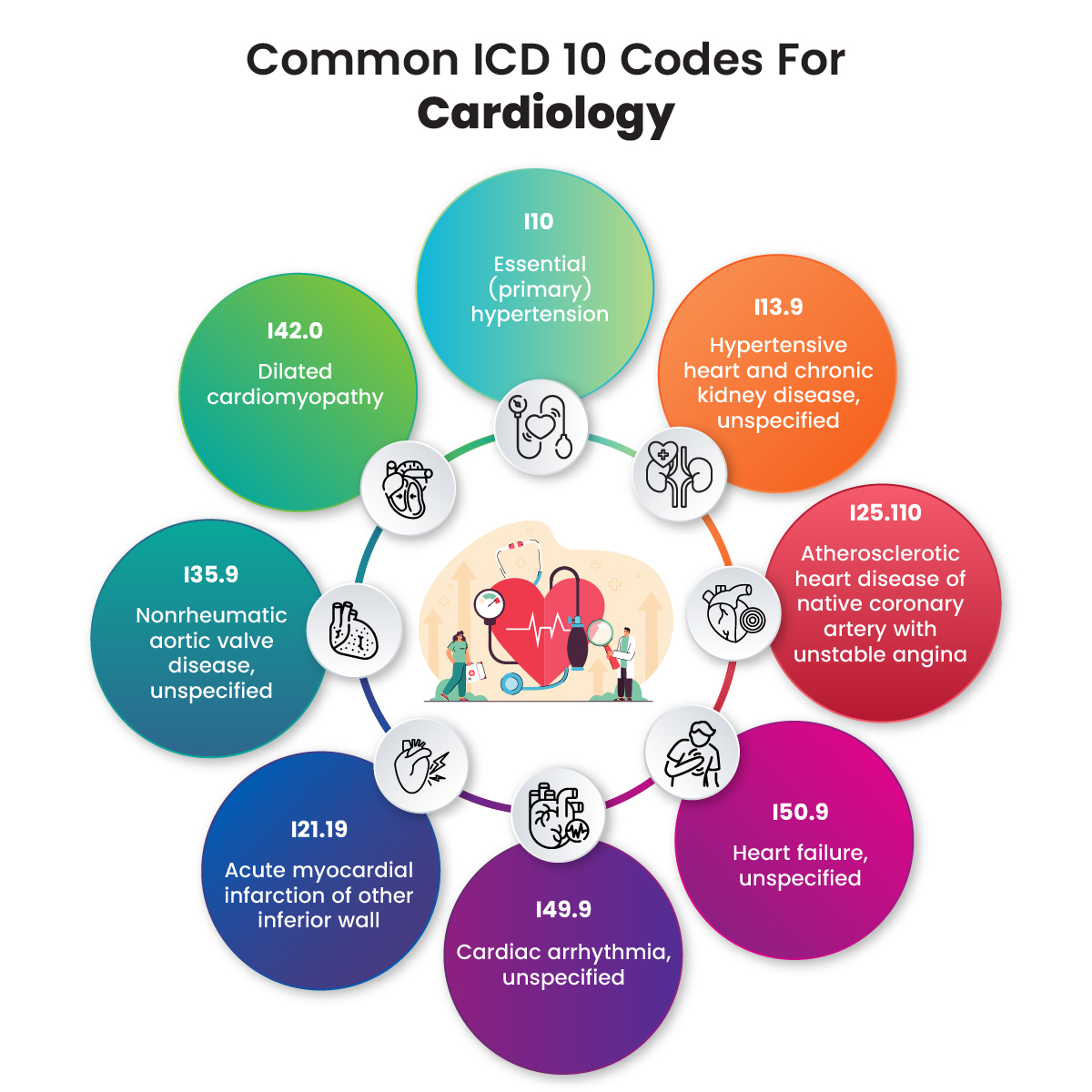
What Is the ICD 10 Code for CHF?
The ICD 10 code for CHF depends on the specific type and details documented by the healthcare provider. Congestive heart failure can be classified into different categories, including systolic heart failure, diastolic heart failure, combined heart failure, acute heart failure, and chronic heart failure.
Medical coders should never assume the appropriate code based only on the patient’s symptoms. The provider’s documentation must clearly identify the type of heart failure and whether it is acute, chronic, or acute on chronic.
The correct ICD 10 code for CHF supports accurate reimbursement because insurance companies use diagnosis codes to determine whether services provided are medically necessary.
Why Accurate CHF Coding Matters in Medical Billing
Accurate diagnosis coding affects many areas of healthcare operations. The ICD 10 code for CHF is not simply a billing requirement; it provides important information about a patient’s medical condition and treatment needs.
Proper coding helps:
- Improve claim acceptance rates
- Reduce unnecessary denials
- Support accurate reimbursement
- Maintain compliance with healthcare regulations
- Improve clinical documentation quality
- Provide reliable healthcare reporting data
When incorrect codes are submitted, claims may be rejected or delayed. In some situations, incorrect documentation can also create compliance risks for healthcare providers.
Understanding Different CHF Coding Categories
Heart failure coding requires attention to clinical details. The ICD 10 code for CHF may vary depending on whether the condition is acute, chronic, or combined.
Acute Congestive Heart Failure
Acute heart failure occurs when symptoms develop suddenly or worsen rapidly. Documentation should clearly indicate an acute condition when applicable.
Chronic Congestive Heart Failure
Chronic heart failure describes a long-term condition that requires ongoing management. Patients may receive continuous monitoring, medication adjustments, and follow-up care.
Acute on Chronic Congestive Heart Failure
Some patients experience worsening symptoms of an existing chronic condition. In these cases, providers may document acute on chronic heart failure.
Systolic and Diastolic Heart Failure
Heart failure may also be classified based on how the heart pumps blood. Systolic heart failure involves reduced pumping ability, while diastolic heart failure involves problems with the heart relaxing and filling properly.
Understanding these differences is important when selecting the correct ICD 10 code for CHF.
Common Mistakes When Assigning CHF Diagnosis Codes
Medical billing teams and healthcare providers often encounter challenges when coding heart failure. Avoiding common errors improves claim accuracy.
1. Using an Unspecified Code Without Reviewing Documentation
One common mistake is choosing an unspecified diagnosis code when provider documentation includes more detailed information.
Coders should review medical records carefully and select the most specific available ICD 10 code for CHF based on documented findings.
2. Confusing Similar Heart Conditions
Heart-related diagnoses can overlap in symptoms, but they are not always coded the same way. Shortness of breath, swelling, and fatigue may occur with multiple cardiovascular conditions.
Proper documentation review prevents incorrect coding decisions.
3. Ignoring Acute or Chronic Status
A major coding error occurs when coders fail to identify whether heart failure is acute, chronic, or acute on chronic.
The difference can significantly affect claim accuracy and reimbursement.
4. Coding Based on Symptoms Alone
Symptoms such as fluid retention or breathing difficulties do not replace a confirmed diagnosis. The provider’s final diagnosis should guide coding decisions.
5. Failing to Update Codes When Documentation Changes
Patient conditions can change over time. Coding teams should review updated documentation during each billing cycle to ensure the diagnosis remains accurate.
Documentation Requirements for CHF Coding
High-quality documentation is the foundation of accurate medical billing. Before selecting the ICD 10 code for CHF, coding professionals should confirm that documentation includes relevant clinical details.
Important documentation elements may include:
- Type of heart failure
- Acuity status
- Related cardiac conditions
- Treatment provided
- Physician assessment
- Relevant test findings
- Patient history
Clear documentation reduces ambiguity and supports accurate claim submission.
How Medical Billing Companies Improve CHF Coding Accuracy
Healthcare providers often partner with professional billing companies to manage complex coding requirements. A specialized billing team can help identify documentation gaps, review claims, and improve revenue cycle performance.
For organizations like Icon Billing LLC, accurate coding practices are a key part of helping healthcare providers manage billing challenges.
A professional medical billing service can assist with:
- Coding reviews
- Claim submission
- Denial management
- Documentation analysis
- Compliance support
- Revenue cycle optimization
By reviewing every ICD 10 code for CHF carefully, billing specialists can help reduce avoidable errors and improve financial outcomes for healthcare practices.
The Role of ICD-10 Updates in CHF Coding
Healthcare coding systems continue to evolve as medical knowledge and reporting requirements change. Coding professionals must stay informed about updates that affect cardiovascular diagnoses.
Regular training helps ensure that teams understand changes related to the ICD 10 code for CHF and other complex medical conditions.
Organizations should encourage ongoing education for:
- Medical coders
- Billing specialists
- Clinical documentation teams
- Healthcare administrators
Keeping coding knowledge current supports better compliance and more reliable billing processes.
How Providers Can Reduce CHF Coding Errors
Healthcare providers play an important role in improving coding accuracy. Detailed documentation allows coders to select the correct diagnosis classification.
Providers can help by:
- Documenting the exact heart failure type.
- Clearly identifying whether the condition is acute or chronic.
- Updating patient records regularly.
- Avoiding unclear terminology.
- Communicating clinical details effectively.
Better documentation creates a stronger connection between patient care and billing accuracy.
Negative Impact of Incorrect CHF Coding
Incorrect diagnosis coding can create several challenges for healthcare organizations.
Potential problems include:
- Claim denials
- Payment delays
- Increased administrative workload
- Compliance concerns
- Incorrect patient data reporting
Using the wrong ICD 10 code for CHF may prevent providers from receiving appropriate reimbursement for services already delivered.
A proactive approach to coding review helps reduce these risks.
Benefits of Professional Medical Billing Support
Managing medical billing internally can become challenging as coding rules become more complex. Professional billing support provides healthcare practices with experienced specialists who understand reimbursement requirements.
Benefits may include:
- Improved claim accuracy
- Better denial prevention strategies
- More efficient revenue cycle processes
- Reduced administrative burden
- Better documentation communication
For practices handling cardiovascular cases, expert review of the ICD 10 code for CHF can make billing workflows more efficient.
Frequently Asked Questions About ICD 10 Code for CHF
What is the ICD 10 code for CHF?
The ICD 10 code for CHF depends on the documented type of heart failure, including whether it is acute, chronic, systolic, diastolic, or combined. The correct code should always be selected based on provider documentation.
Why is CHF coding important for medical billing?
CHF coding is important because diagnosis codes support medical necessity, insurance claim processing, reimbursement decisions, and accurate patient records.
Can one CHF code apply to every patient?
No. The correct ICD 10 code for CHF varies depending on the patient’s specific diagnosis and documentation details.
Who determines the correct CHF diagnosis code?
Healthcare providers document the diagnosis, while qualified medical coders assign the appropriate code according to coding guidelines.
How can billing companies help with CHF coding?
Medical billing companies help by reviewing documentation, submitting accurate claims, managing denials, and supporting compliance processes.
What happens if the wrong CHF code is submitted?
Incorrect coding may lead to claim denials, payment delays, inaccurate records, and additional administrative work.
How often should CHF coding practices be reviewed?
Coding practices should be reviewed regularly to ensure teams follow current guidelines and maintain accurate billing procedures.
Conclusion
Accurate diagnosis coding is a critical part of successful healthcare billing. The correct ICD 10 code for CHF supports proper reimbursement, improves documentation quality, and helps healthcare organizations maintain compliance.
Because CHF involves multiple classifications and documentation requirements, providers and billing teams must carefully review medical records before submitting claims.
Partnering with an experienced medical billing company such as Icon Billing LLC can help healthcare providers improve coding accuracy, reduce billing challenges, and create a more efficient revenue cycle.