
7 Costly Glaucoma ICD 10 Coding Mistakes That Destroy Your Reimbursement – Ultimate Fix Guide
Glaucoma is one of the most common chronic eye conditions treated in ophthalmology and optometry practices across the country. It requires ongoing monitoring, diagnostic testing, and therapeutic interventions that generate a steady stream of claims. But the complexity of glaucoma ICD 10 coding turns this revenue stream into a minefield of denials, audits, and lost dollars for practices that don’t master the details. A single incorrect digit in a glaucoma ICD 10 code can change the clinical story, trigger a payer rejection, or invite a compliance audit. At Icon Billing LLC, we’ve seen ophthalmology practices lose substantial revenue because of preventable glaucoma ICD 10 errors—and we’ve helped them recover.
This comprehensive guide will expose seven costly glaucoma ICD 10 coding mistakes that destroy your reimbursement. You’ll learn exactly how to select the correct glaucoma ICD 10 code for every clinical scenario, how to document for maximum specificity, and how to build a coding workflow that produces clean claims. Whether you’re a solo ophthalmologist, a multi-provider eye care group, or a billing professional supporting vision practices, mastering glaucoma ICD 10 is essential for financial health. Let’s dive into the details and transform your glaucoma ICD 10 coding from a vulnerability into a strength.
Why Glaucoma ICD 10 Coding Matters So Much
The transition from ICD-9 to ICD-10 brought an explosion of specificity to medical coding, and nowhere is that more evident than in ophthalmology. Glaucoma ICD 10 codes require documentation of the specific type of glaucoma, the eye affected (right, left, or bilateral), the stage of disease, and sometimes the underlying cause. A generic code like “unspecified glaucoma” exists, but payers increasingly expect precise glaucoma ICD 10 coding that reflects the patient’s true clinical condition. When claims contain vague or incorrect glaucoma ICD 10 codes, payers may deny them as not medically necessary, downcode them, or flag them for review.
Beyond reimbursement, glaucoma ICD 10 accuracy is essential for quality reporting, risk adjustment, and population health management. MIPS, HEDIS, and other quality programs rely on accurate glaucoma ICD 10 codes to measure outcomes and assign risk scores. An inaccurate glaucoma ICD 10 code doesn’t just affect the current claim—it can distort quality metrics and reduce future payment adjustments. For practices serious about both revenue and clinical excellence, glaucoma ICD 10 mastery is non-negotiable.
Costly Mistake #1: Using Unspecified Glaucoma ICD 10 Codes When Specificity Exists
The most common glaucoma ICD 10 mistake is defaulting to unspecified codes like H40.9 (Unspecified glaucoma) or H40.10X0 (Unspecified open-angle glaucoma, stage unspecified). While these codes are technically valid, they send a message to payers that the documentation lacks clinical specificity. This can lead to claim denials, especially for high-level services like trabeculectomy, laser procedures, or advanced diagnostic testing. Payers want to see exactly what type of glaucoma the patient has and what stage it’s in.
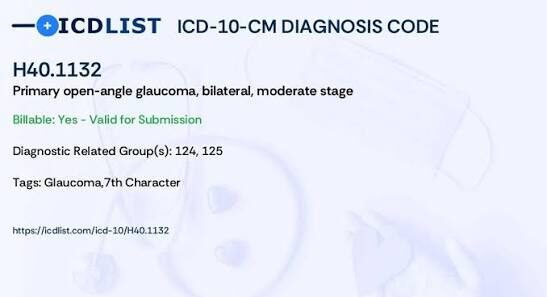
The glaucoma ICD 10 system offers specific codes for open-angle glaucoma (H40.11X-), angle-closure glaucoma (H40.22X-), primary open-angle glaucoma (H40.11X-), low-tension glaucoma (H40.12X-), pigmentary glaucoma (H40.13X-), and many other types. Each code then requires a digit for the eye affected (1 for right, 2 for left, 3 for bilateral, 4 for unspecified) and a digit for the stage (0 for unspecified, 1 for mild, 2 for moderate, 3 for severe, 4 for indeterminate). A proper glaucoma ICD 10 code like H40.1132 tells the payer: primary open-angle glaucoma, both eyes, moderate stage. That level of specificity supports medical necessity and reduces denials.
Icon Billing LLC trains providers and coders to avoid unspecified glaucoma ICD 10 codes whenever the clinical documentation supports greater specificity. We conduct regular coding audits to identify patterns of vague coding and provide targeted education to close the gaps. The result is cleaner claims and fewer denials related to glaucoma ICD 10 specificity.
Costly Mistake #2: Incorrectly Assigning the Sixth Character for Eye Laterality
Glaucoma ICD 10 codes require a sixth character to indicate which eye is affected. The options are 1 (right eye), 2 (left eye), 3 (bilateral), and 4 (unspecified eye). A devastating mistake occurs when the wrong laterality digit is assigned—for example, coding H40.1111 (primary open-angle glaucoma, right eye, mild) when the patient actually has glaucoma in the left eye. This error not only misrepresents the patient’s condition but can also cause claim denials when the procedure code on the claim specifies a different eye.
The laterality requirement in glaucoma ICD 10 demands precise documentation of which eye was evaluated and treated. For bilateral procedures, the glaucoma ICD 10 code should reflect bilateral disease (sixth character 3). For unilateral procedures, the code must match the treated eye. When documentation is ambiguous, coders are forced to use the “unspecified eye” code (sixth character 4), which weakens the claim.
Icon Billing LLC implements a rigorous review process for glaucoma ICD 10 laterality. We cross-reference the diagnostic code with the procedure code and the clinical note to ensure the eye indicated in the glaucoma ICD 10 code matches the eye treated. This simple check prevents a significant volume of preventable denials.
Costly Mistake #3: Failing to Capture Glaucoma Stage Correctly
The seventh character in glaucoma ICD 10 codes captures the stage of disease: 0 (unspecified), 1 (mild or early stage), 2 (moderate stage), 3 (severe or advanced stage), and 4 (indeterminate stage). A costly glaucoma ICD 10 mistake is failing to document and code the stage accurately. Some providers document only “glaucoma” without indicating severity. Coders then default to stage unspecified (0), which fails to communicate the true complexity of the case. This can affect risk adjustment, medical necessity determinations, and quality reporting.
When a patient has moderate or severe glaucoma, the glaucoma ICD 10 code should reflect that severity. Severe glaucoma (stage 3) supports more aggressive interventions and more frequent monitoring. Mild glaucoma (stage 1) may support routine care but not advanced procedures. Accurate staging in glaucoma ICD 10 coding ensures that the claim tells the right clinical story.
Iconyx Technology—no, Icon Billing LLC—works with ophthalmology practices to improve documentation of glaucoma staging. We provide templates and training that prompt providers to record the stage at every visit, ensuring that the glaucoma ICD 10 code reflects the patient’s current condition accurately. This improves both reimbursement and clinical continuity.
Costly Mistake #4: Confusing Glaucoma Types in ICD 10 Coding
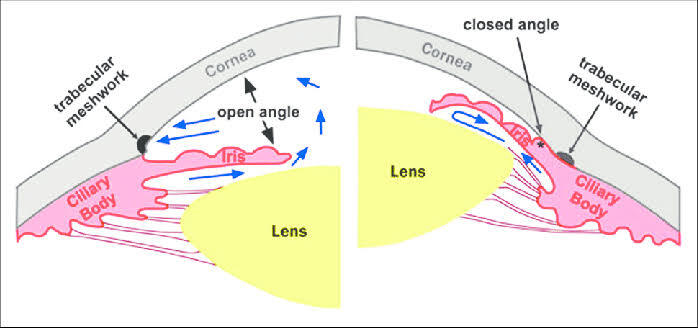
Glaucoma ICD 10 codes distinguish between many types of glaucoma, each with different pathophysiology, treatment approaches, and coding requirements. A costly mistake is coding primary open-angle glaucoma (H40.11X-) when the patient actually has angle-closure glaucoma (H40.22X-), or confusing pigmentary glaucoma (H40.13X-) with pseudoexfoliation glaucoma (H40.14X-). These errors misrepresent the patient’s condition and can lead to claim denials when the procedure performed doesn’t match the coded diagnosis.
Each glaucoma type has its own glaucoma ICD 10 code series:
-
Primary open-angle glaucoma: H40.11X-
-
Low-tension glaucoma: H40.12X-
-
Pigmentary glaucoma: H40.13X-
-
Pseudoexfoliation glaucoma: H40.14X-
-
Chronic angle-closure glaucoma: H40.22X-
-
Acute angle-closure glaucoma: H40.21X-
-
Glaucoma secondary to other eye disorders: H40.3X-
-
Glaucoma secondary to systemic conditions: H40.4X-
Understanding the clinical distinctions between these types is essential for accurate glaucoma ICD 10 coding. Icon Billing LLC provides coding education that helps providers and coders match the glaucoma ICD 10 code to the documented clinical type. We also perform pre-bill audits to catch mismatches before claims are submitted.
Costly Mistake #5: Not Linking Glaucoma ICD 10 Codes to the Correct Procedure Codes
In ophthalmology billing, the glaucoma ICD 10 code must support the medical necessity of the procedure code on the claim. A costly mistake occurs when a high-level procedure—such as a trabeculectomy, laser trabeculoplasty, or implant insertion—is billed with a vague or mild glaucoma ICD 10 code that doesn’t justify the intervention. Payers may deny the claim as not medically necessary, or the claim may be flagged for audit.
For example, a trabeculectomy billed with H40.1111 (primary open-angle glaucoma, right eye, mild stage) may trigger a denial because mild glaucoma typically doesn’t require surgical intervention. A more appropriate glaucoma ICD 10 code would be H40.1113 (primary open-angle glaucoma, right eye, severe stage) or a code reflecting failed medical therapy. The glaucoma ICD 10 code must tell the story of why the procedure was necessary.
Icon Billing LLC’s ophthalmology billing specialists understand the clinical nuances of glaucoma treatment. We review the glaucoma ICD 10 code alongside the procedure code and the clinical documentation to ensure medical necessity is clearly established. When the documentation supports a more severe glaucoma ICD 10 code, we help providers capture it accurately. When the documentation is insufficient, we query the provider before submitting the claim, preventing denials from ever occurring.
Costly Mistake #6: Overlooking Documentation Requirements for Glaucoma ICD 10 Coding
Glaucoma ICD 10 coding depends entirely on clinical documentation. If the provider’s note doesn’t clearly state the type of glaucoma, the eye affected, and the stage, the coder cannot assign the most specific code. A costly mistake is assuming that a general note like “glaucoma, follow-up” is sufficient for glaucoma ICD 10 coding. It isn’t. Payers expect documentation that supports every character of the code.
Complete documentation for glaucoma ICD 10 coding should include:
-
The specific type of glaucoma (e.g., primary open-angle, angle-closure, pigmentary).
-
The eye or eyes affected.
-
The stage of disease (mild, moderate, severe, or indeterminate).
-
The underlying cause, if secondary glaucoma.
-
The specific procedure performed and its indication.
Icon Billing LLC works with practices to improve documentation quality at the point of care. We provide documentation templates, checklists, and training that make it easy for providers to capture all the elements required for precise glaucoma ICD 10 coding. Better documentation leads to better coding, cleaner claims, and fewer denials.
Costly Mistake #7: Failing to Update Glaucoma ICD 10 Codes When Patient Status Changes
Glaucoma is a progressive disease, and a patient’s glaucoma ICD 10 code should evolve as their condition changes. A costly mistake is using the same glaucoma ICD 10 code visit after visit without updating the stage or type when the clinical picture shifts. If a patient progresses from mild to moderate glaucoma but the old glaucoma ICD 10 code remains on the claim, the payer may question why the treatment intensity increased. Conversely, if a patient’s glaucoma stabilizes or improves, continuing to bill a severe stage may invite audit scrutiny.
Every encounter should begin with a review of the patient’s current glaucoma status. The glaucoma ICD 10 code should reflect the condition as documented at that visit, not what was documented six months or a year ago. Icon Billing LLC’s coding team reviews longitudinal records to ensure that glaucoma ICD 10 codes are updated appropriately. We flag cases where the code hasn’t changed despite documentation suggesting a different stage or type, and we work with providers to correct the record.
Building a Winning Glaucoma ICD 10 Coding Workflow
Now that the mistakes are clear, let’s outline a proactive glaucoma ICD 10 workflow that maximizes accuracy and reimbursement.
-
Capture Complete Documentation at the Point of Care. Providers should document the glaucoma type, eye affected, stage, and any secondary causes at every visit. Use structured templates that prompt for each element required for glaucoma ICD 10 coding.
-
Assign Codes Based on Current Documentation. Coders should assign the glaucoma ICD-10 code based solely on what is documented, not on assumptions or historical data. If documentation is incomplete, query the provider before finalizing the code.
-
Verify Laterality and Stage. Double-check the sixth and seventh characters of the glaucoma ICD-10 code against the clinical note. Ensure the eye affected matches the procedure site.
-
Link Diagnosis to Procedure. Confirm that the glaucoma ICD-10 code supports the medical necessity of the procedure code on the claim. If there’s a mismatch, address it before submission.
-
Perform Pre-Bill Audits. Review a sample of glaucoma ICD-10 coded claims before submission to catch errors and provide feedback to providers and coders.
-
Track Denials by Root Cause. When a glaucoma ICD-10 claim is denied, categorize the reason—specificity, laterality, stage, or medical necessity—and use the data to improve coding practices.
-
Provide Ongoing Education. Keep providers and coders updated on glaucoma ICD-10 coding guidelines, payer policies, and documentation best practices.
Icon Billing LLC executes this workflow daily for ophthalmology and optometry practices. We turn the complexity of glaucoma ICD-10 into a structured, reliable process that produces clean claims and healthy revenue.
How Icon Billing LLC Transforms Glaucoma ICD-10 Coding Success
When you partner with Icon Billing LLC, you gain a team of billing specialists who understand the unique challenges of ophthalmology billing. We don’t just process claims—we optimize them. Our glaucoma ICD-10 expertise includes:
-
Coding audits that identify patterns of errors and missed revenue opportunities.
-
Provider education that improves documentation quality and specificity.
-
Pre-bill claim scrubbing that catches glaucoma ICD-10 errors before submission.
-
Denial management that recovers revenue from incorrectly coded or denied claims.
-
Payer policy tracking that keeps you current on glaucoma ICD-10 requirements from Medicare, Medicaid, and commercial insurers.
-
Compliance support that protects you from audit risk associated with glaucoma ICD-10 coding.
Our goal is to make glaucoma ICD-10 coding a strength of your practice, not a source of anxiety. We’ve helped ophthalmology practices improve their clean claim rates, reduce denials, and recover lost revenue through disciplined glaucoma ICD-10 management.
Real-World Consequences of Glaucoma ICD-10 Errors
Consider these composite examples based on cases we’ve encountered:
Scenario 1: A glaucoma specialist performed a trabeculectomy on a patient with severe primary open-angle glaucoma in the right eye. The coder assigned H40.1111 (primary open-angle glaucoma, right eye, mild stage) because the provider’s note didn’t clearly state the severity. The claim was denied as not medically necessary. The denial appeal required additional documentation and delayed payment by 60 days.
Scenario 2: An optometry practice consistently used H40.9 (unspecified glaucoma) for all glaucoma patients. A payer audit flagged the practice for insufficient specificity, and $85,000 in payments were recouped. Icon Billing LLC stepped in, improved documentation, and resubmitted the claims with correct **glaucoma ICD-10** codes, recovering $62,000.
Scenario 3: A bilateral glaucoma patient underwent laser trabeculoplasty on the left eye only. The coder assigned a bilateral glaucoma ICD-10 code (H40.1132) instead of a left-eye code (H40.1122). The mismatch between the glaucoma ICD-10 laterality and the procedure site triggered a denial that required a corrected claim.
In each case, a disciplined glaucoma ICD-10 workflow would have prevented the revenue loss. Icon Billing LLC exists to ensure your practice never suffers from these preventable errors.
Frequently Asked Questions About Glaucoma ICD-10
Q: What is the correct ICD-10 code for primary open-angle glaucoma, bilateral, moderate stage?
A: The correct glaucoma ICD-10 code is H40.1132.
Q: Can I use an unspecified glaucoma code if the provider didn’t document the type?
A: While unspecified codes exist, they should be avoided whenever possible. Query the provider for more specific documentation to assign an accurate glaucoma ICD-10 code.
Q: How do I code glaucoma suspect?
A: Glaucoma suspect is coded using H40.0- codes, such as H40.01 (Open angle with borderline findings) or H40.02 (Anatomical narrow angle). These are distinct from confirmed glaucoma ICD-10 codes.
Q: What documentation is needed for the seventh character stage?
A: The provider must document the glaucoma stage—mild, moderate, severe, or indeterminate—in the clinical note. The coder then assigns the appropriate glaucoma ICD-10 seventh character.
Q: Does laterality matter for all glaucoma codes?
A: Yes, most glaucoma ICD-10 codes require a sixth character to indicate the affected eye. Accurate laterality is essential for clean claims.
Proactive Steps You Can Take Today
-
Audit your recent glaucoma claims to identify patterns of unspecified codes, laterality errors, or stage omissions. A focused glaucoma ICD-10 audit reveals where revenue is leaking.
-
Update your documentation templates to prompt for glaucoma type, eye affected, and stage at every visit. Better documentation drives better glaucoma ICD-10 coding.
-
Train your providers and coders on the latest glaucoma ICD-10 guidelines. A short educational session can prevent thousands of dollars in denials.
-
Contact Icon Billing LLC for a comprehensive glaucoma ICD-10 coding review. We’ll assess your current coding accuracy, identify risks, and implement corrective actions.
Conclusion: Master Glaucoma ICD-10 for Maximum Reimbursement
The seven costly mistakes—using unspecified codes, incorrectly assigning laterality, failing to capture stage, confusing glaucoma types, mismatching diagnosis and procedure, overlooking documentation gaps, and failing to update codes—are all avoidable with discipline and expertise. Glaucoma ICD-10 coding is complex, but it’s a complexity that can be mastered. With the right workflow, the right training, and the right billing partner, your practice can submit clean, accurate, and compliant claims every time.
Icon Billing LLC is dedicated to making glaucoma-ICD 10 coding a strength of your ophthalmology or optometry practice. We bring the knowledge, the processes, and the vigilance needed to protect your revenue and keep your claims flowing. Don’t let preventable glaucoma-ICD 10 errors drain your practice’s financial health. Contact us today to learn how our glaucoma ICD-10 coding management service can improve your clean claim rates, reduce denials, and maximize reimbursement. Your patients deserve excellent care—and your practice deserves to be paid for that care. With the right glaucoma-ICD 10 strategy, you can have both.