15 Powerful EMR Systems Strategies: Avoid Costly Healthcare Errors and Boost Practice Efficiency
Introduction
Healthcare organizations today operate in an increasingly complex environment where patient care, regulatory compliance, clinical documentation, and financial performance must work together seamlessly. One of the most transformative technologies supporting this evolution is EMR systems. By replacing paper charts with digital patient records, EMR systems help healthcare providers improve efficiency, enhance care coordination, reduce documentation errors, and streamline medical billing processes.
Modern EMR systems have become much more than electronic versions of patient files. They integrate scheduling, clinical documentation, e-prescribing, laboratory reporting, diagnostic imaging, patient communication, billing, coding, and analytics into one secure digital platform. This integration enables physicians, nurses, administrators, and billing specialists to access accurate patient information quickly, resulting in better clinical decisions and improved operational performance.
For medical practices, clinics, specialty providers, and healthcare organizations, implementing reliable EMR systems can significantly improve revenue cycle management. Accurate documentation supports proper medical coding, cleaner insurance claims, fewer billing errors, faster reimbursements, and stronger regulatory compliance. At the same time, patients benefit from improved communication, shorter wait times, enhanced care coordination, and easier access to their medical information.
At Icon Billing LLC, we help healthcare providers optimize their revenue cycle through medical billing services, coding support, credentialing, denial management, insurance verification, and healthcare technology consulting. We understand how properly implemented EMR systems contribute to clinical excellence while strengthening financial performance. In this comprehensive guide, you’ll learn everything about EMR systems, including their benefits, core features, implementation process, compliance requirements, billing integration, best practices, and future trends shaping modern healthcare technology.
What Are EMR Systems?
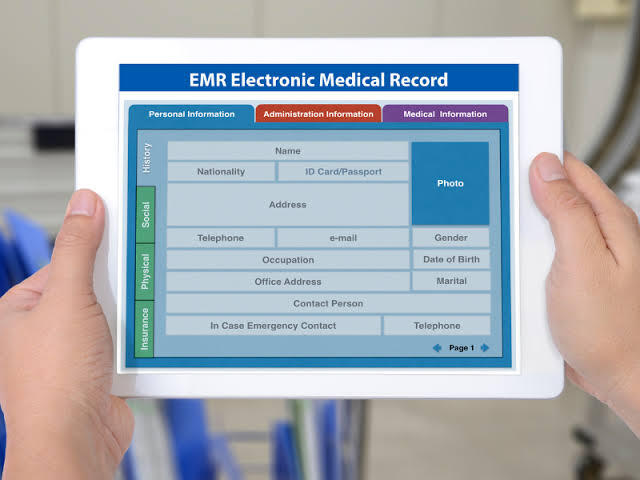
EMR systems (Electronic Medical Record systems) are digital platforms that store, manage, and organize patient medical records within a healthcare practice.
Modern EMR systems typically include:
- Patient demographics
- Medical history
- Clinical documentation
- Medication lists
- Allergies
- Laboratory results
- Imaging reports
- Appointment scheduling
- Billing integration
- Electronic prescribing
These systems centralize clinical information while improving efficiency across healthcare organizations.
Why EMR Systems Are Important
Healthcare providers depend on EMR systems to improve patient care and operational efficiency.
Better Documentation
Maintain complete patient records.
Improved Patient Safety
Reduce medication and documentation errors.
Faster Information Access
Retrieve records instantly.
Enhanced Care Coordination
Support communication among providers.
Increased Billing Accuracy
Improve claim submission quality.
Reliable documentation benefits both providers and patients.
Key Features of EMR Systems
Today’s EMR systems include numerous advanced capabilities.
Electronic Clinical Notes
Document patient encounters efficiently.
Appointment Scheduling
Manage provider calendars.
E-Prescribing
Send prescriptions electronically.
Laboratory Integration
Receive test results automatically.
Billing Integration
Support revenue cycle management.
Integrated workflows improve healthcare operations.
EMR Systems and Medical Billing
One of the greatest advantages of EMR systems is seamless billing integration.
Benefits include:
Accurate Documentation
Support medical necessity.
Coding Assistance
Improve diagnosis and procedure coding.
Cleaner Claims
Reduce submission errors.
Faster Reimbursement
Accelerate insurance payments.
Revenue Cycle Optimization
Strengthen financial performance.
Strong documentation directly improves billing outcomes.
EMR Systems and HIPAA Compliance
Healthcare organizations must ensure EMR systems comply with privacy and security regulations.
Important safeguards include:
User Authentication
Restrict unauthorized access.
Data Encryption
Protect sensitive health information.
Audit Logs
Track system activity.
Role-Based Permissions
Limit access by job function.
Secure Backups
Prevent data loss.
Compliance protects both providers and patients.
Benefits of EMR Systems for Healthcare Providers
Implementing EMR systems provides significant operational advantages.
Improved Productivity
Reduce administrative work.
Better Clinical Decision-Making
Access complete patient information.
Enhanced Patient Communication
Improve engagement.
Reduced Paperwork
Digitize documentation.
Increased Efficiency
Automate repetitive tasks.
Healthcare organizations benefit from streamlined workflows.
Common Challenges with EMR Systems
Organizations should prepare for implementation challenges.
Common issues include:
Staff Training
Users require education.
Workflow Adjustments
Adapt existing processes.
Data Migration
Transfer historical records.
System Integration
Connect external applications.
Initial Costs
Budget for implementation.
Planning helps minimize disruption.
Best Practices for EMR Systems Implementation
Successful EMR systems deployments follow proven strategies.
Assess Organizational Needs
Identify workflow requirements.
Select the Right Platform
Choose scalable solutions.
Train Staff Thoroughly
Encourage adoption.
Monitor Performance
Evaluate ongoing success.
Maintain Security
Protect patient information.
Update Regularly
Keep software current.
Proper implementation improves long-term results.
EMR Systems and Patient Experience
Modern EMR systems improve patient satisfaction.
Advantages include:
Faster Check-In
Reduce wait times.
Patient Portals
Access records securely.
Electronic Communication
Simplify messaging.
Appointment Reminders
Reduce missed visits.
Coordinated Care
Improve treatment continuity.
Technology enhances patient engagement.
Technology Trends in EMR Systems
Healthcare technology continues evolving rapidly.
Emerging innovations include:
Artificial Intelligence
Support clinical decision-making.
Predictive Analytics
Identify health trends.
Cloud-Based Platforms
Increase accessibility.
Mobile Access
Support providers anywhere.
Voice Recognition
Improve documentation efficiency.
Innovation continues improving healthcare delivery.
Why Healthcare Organizations Need Modern EMR Systems
Modern EMR systems help healthcare organizations:
- Improve documentation quality
- Strengthen billing accuracy
- Reduce claim denials
- Increase productivity
- Enhance compliance
- Improve patient safety
- Streamline communication
- Support data-driven decision making
Technology investments improve both clinical and financial outcomes.
How Icon Billing LLC Supports Healthcare Providers
At Icon Billing LLC, we help healthcare providers maximize the value of their EMR-systems by integrating efficient revenue cycle management with accurate documentation and medical coding.
Our professional services include:
- Medical billing
- Insurance verification
- Medical coding
- Credentialing
- Claims submission
- Payment posting
- Denial management
- Accounts receivable follow-up
- Revenue cycle management
- Compliance consulting
Our experienced team works closely with healthcare organizations to ensure that clinical documentation within EMR-systems supports accurate coding, timely reimbursements, regulatory compliance, and optimized financial performance. We help providers reduce administrative burdens while improving operational efficiency and patient care.
Future of EMR Systems
Healthcare technology continues advancing.
Future EMR-systems will likely include:
Greater Artificial Intelligence
Automated documentation assistance.
Improved Interoperability
Better information sharing.
Advanced Cybersecurity
Stronger data protection.
Personalized Healthcare Analytics
Improve treatment planning.
Enhanced Patient Engagement
Expand digital communication.
Organizations embracing innovation will remain competitive.
Frequently Asked Questions
What are EMR systems?
EMR-systems are electronic medical record platforms used to store, manage, and access patient healthcare information digitally.
How do EMR-systems improve medical billing?
They improve documentation quality, support accurate coding, reduce billing errors, and help create cleaner insurance claims.
Are EMR systems HIPAA compliant?
Properly configured EMR-systems include encryption, authentication, audit trails, and other security measures designed to support HIPAA compliance.
What are the benefits of cloud-based EMR-systems?
Cloud solutions improve accessibility, scalability, disaster recovery, collaboration, and system maintenance.
Why are EMR-systems important for healthcare providers?
They improve patient care, streamline documentation, increase operational efficiency, strengthen compliance, and support better financial performance.
Why choose Icon Billing LLC?
Icon Billing LLC provides expert medical billing, coding, credentialing, denial management, revenue cycle optimization, and healthcare consulting services that complement the effective use of EMR-systems to improve reimbursement and operational success.
Conclusion
Modern EMR-systems have become an essential foundation of efficient healthcare delivery. By replacing paper-based records with secure digital platforms, healthcare organizations improve clinical documentation, streamline workflows, strengthen patient safety, and support better coordination among providers. Integrated scheduling, electronic prescribing, billing, coding, and reporting capabilities enable medical practices to deliver higher-quality care while improving operational performance.
Beyond clinical benefits, EMR-systems play a critical role in revenue cycle management by supporting accurate medical coding, complete documentation, cleaner insurance claims, and faster reimbursements. Organizations that successfully implement and maintain effective electronic medical record systems often experience reduced claim denials, improved regulatory compliance, enhanced patient satisfaction, and stronger financial stability.
At Icon Billing LLC, we help healthcare providers maximize the value of their EMR-systems through comprehensive medical billing, coding support, insurance verification, credentialing, denial management, and revenue cycle optimization services. Our experienced professionals work alongside medical practices to strengthen documentation quality, improve reimbursement accuracy, reduce administrative burdens, and ensure compliance with evolving healthcare regulations. By partnering with Icon Billing LLC, your organization can confidently leverage modern healthcare technology to improve patient care while achieving sustainable financial success.