
Epistaxis ICD 10: Complete Guide to Accurate Coding and Billing Success
When it comes to medical billing, accuracy is everything—and that’s especially true for conditions like nosebleeds. Understanding epistaxis icd 10 coding is essential for healthcare providers, billing specialists, and practice managers who want to ensure proper reimbursement and avoid claim denials.
The term epistaxis icd 10 refers to the standardized code used to classify and bill for nosebleeds in clinical settings. While it may seem straightforward, incorrect use of epistaxis icd 10 can lead to rejected claims, compliance issues, and revenue loss.
In this comprehensive guide, we’ll explore everything you need to know about epistaxis icd 10, from definitions and coding practices to billing tips and common mistakes.
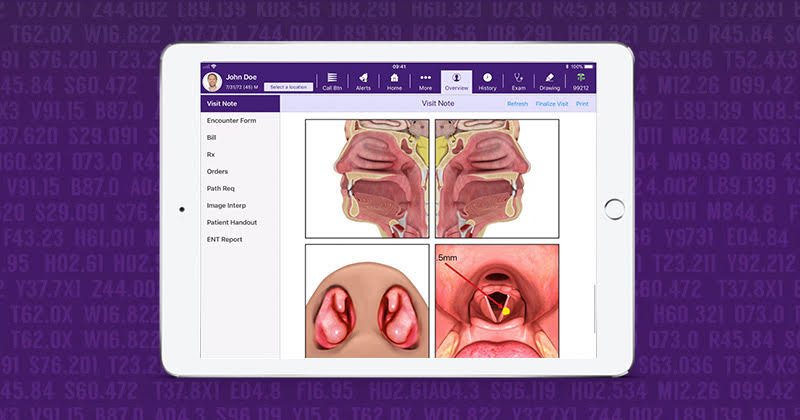
What Is Epistaxis ICD 10 and Why It Matters
The epistaxis icd 10 code is used to identify and document cases of nosebleeds in medical records and billing systems. The official ICD-10 code for epistaxis is R04.0, which falls under symptoms involving the respiratory system.
Importance of Accurate Coding
Using the correct epistaxis icd 10 ensures:
- Proper documentation of patient conditions
- Accurate claim submissions
- Faster reimbursements
- Reduced risk of audits
Even a small error in epistaxis icd 10 coding can result in denied claims or delayed payments.
Clinical Relevance
Epistaxis can range from minor to severe. Proper use of epistaxis icd 10 helps providers communicate the severity and context of the condition effectively.
Understanding the ICD-10 Code R04.0 for Epistaxis
The primary code associated with epistaxis icd 10 is R04.0. This code is used when a patient presents with a nosebleed without a more specific underlying diagnosis.
When to Use R04.0
Use epistaxis icd 10 code R04.0 when:
- The nosebleed is the primary complaint
- No underlying condition is specified
- The case is acute or isolated
When Not to Use R04.0
Avoid using epistaxis icd 10 alone if:
- The nosebleed is caused by trauma
- There is an underlying disease (e.g., hypertension)
- A more specific diagnosis is available
Combining Codes
In some cases, epistaxis icd 10 may need to be paired with additional codes to fully describe the patient’s condition.
Common Billing Challenges with Epistaxis ICD 10
Despite its simplicity, epistaxis icd 10 coding can present several challenges.
Claim Denials
Incorrect use of epistaxis icd 10 often leads to claim denials. This can happen due to missing documentation or coding errors.
Lack of Specificity
Using epistaxis icd 10 without supporting details may raise red flags for insurers.
Documentation Errors
Incomplete or unclear records can affect the accuracy of epistaxis icd-10 claims.
Insurance Requirements
Different insurers may have specific guidelines for epistaxis icd-10 billing.
Best Practices for Accurate Epistaxis ICD-10 Coding
To ensure success, follow these proven strategies for epistaxis icd-10 coding.
Maintain Detailed Documentation
Clear records support accurate use of epistaxis icd-10 and reduce the risk of denials.
Verify Coding Guidelines
Stay updated with the latest ICD-10 rules related to epistaxis icd-10.
Use Additional Codes When Needed
Enhance your claims by pairing epistaxis icd-10 with relevant codes.
Train Your Staff
Ensure your billing team understands how to use epistaxis icd-10 correctly.
Conduct Regular Audits
Review your claims to identify and correct errors in epistaxis icd-10 usage.
How Epistaxis ICD-10 Impacts Revenue Cycle Management
Proper use of epistaxis icd-10 plays a significant role in your practice’s financial health.
Faster Reimbursements
Accurate coding with epistaxis icd-10 speeds up claim processing.
Reduced Denials
Correct use of epistaxis icd-10 minimizes rejected claims.
Improved Cash Flow
Efficient billing practices involving epistaxis icd-10 lead to better revenue management.
Compliance and Audit Readiness
Using epistaxis icd-10 correctly ensures compliance with healthcare regulations.
Why Choose Icon Billing LLC for Epistaxis ICD-10 Billing Support
At Icon Billing LLC, we specialize in accurate and efficient epistaxis icd-10 coding and billing services.
Expert Billing Team
Our professionals are trained in handling epistaxis icd-10 and other complex codes.
Advanced Technology
We use modern tools to ensure precision in epistaxis icd-10 claims.
Customized Solutions
We tailor our services to meet your specific epistaxis icd-10 billing needs.
Proven Results
Our clients trust us for reliable epistaxis icd-10 billing support that maximizes revenue.

FAQs About Epistaxis ICD-10
What is the ICD-10 code for epistaxis?
The code for epistaxis icd-10 is R04.0.
Can epistaxis ICD-10 be used alone?
Yes, but only when no underlying condition is specified.
Why are epistaxis ICD-10 claims denied?
Denials often occur due to poor documentation or incorrect coding.
How can I improve epistaxis ICD-10 billing accuracy?
Follow best practices, maintain records, and train staff.
Is epistaxis ICD-10 affected by insurance policies?
Yes, different insurers may have specific requirements.
Can Icon Billing LLC help with epistaxis ICD-10 coding?
Absolutely, we provide expert support for all epistaxis icd-10 billing needs.
Conclusion
Mastering epistaxis icd-10 coding is essential for healthcare providers who want to ensure accurate billing and maximize revenue. From understanding the R04.0 code to avoiding common mistakes, every detail matters.
By implementing best practices and working with experienced professionals like Icon Billing LLC, you can streamline your billing process, reduce errors, and improve financial performance.
Don’t let coding errors hold your practice back—take control of your epistaxis icd-10 billing today and achieve long-term success.