15 Powerful Managed Care Strategies: Avoid Costly Billing Mistakes and Maximize Healthcare Reimbursements
Introduction
Healthcare reimbursement has become increasingly complex as insurance companies, government programs, and provider networks work together to improve patient outcomes while controlling healthcare costs. One of the most influential healthcare delivery models is managed care, a system that coordinates medical services through structured provider networks, utilization management, preventive care initiatives, and reimbursement agreements. For healthcare providers, understanding managed care is essential for maintaining compliance, reducing claim denials, and maximizing reimbursement.
Today, millions of patients receive healthcare through managed care organizations, including Health Maintenance Organizations (HMOs), Preferred Provider Organizations (PPOs), Exclusive Provider Organizations (EPOs), Point of Service (POS) plans, and Medicaid managed care programs. Each plan has its own requirements regarding provider participation, referrals, prior authorization, covered services, claims submission, and payment methodologies. Successfully navigating these requirements is critical for efficient medical billing and revenue cycle management.
Healthcare organizations that understand managed care can improve operational efficiency by verifying patient eligibility, obtaining required authorizations, submitting accurate claims, monitoring payer policies, and appealing denied claims when appropriate. Failure to follow payer-specific guidelines may result in delayed payments, denied claims, increased administrative costs, and reduced financial performance. Strong billing processes and ongoing staff education are essential for success.
At Icon Billing LLC, we specialize in medical billing, medical coding, insurance verification, credentialing, prior authorization, denial management, accounts receivable follow-up, and complete revenue cycle management for healthcare providers across the United States. Our experienced billing professionals help practices navigate the complexities of managed care while improving reimbursement accuracy and financial performance. In this comprehensive guide, you’ll learn everything about managed care, including plan types, provider networks, reimbursement methods, authorization requirements, billing best practices, compliance considerations, and strategies for optimizing revenue.

What Is Managed Care?
Managed care is a healthcare delivery and payment system designed to coordinate medical services while improving quality of care and controlling healthcare costs.
Rather than paying for every healthcare service without oversight, managed care organizations establish provider networks, negotiate reimbursement rates, implement utilization management programs, and encourage preventive care.
This coordinated approach aims to improve healthcare efficiency for patients, providers, and insurers.
Why Managed Care Matters
Understanding managed care is essential for healthcare providers and billing professionals.
Key benefits include:
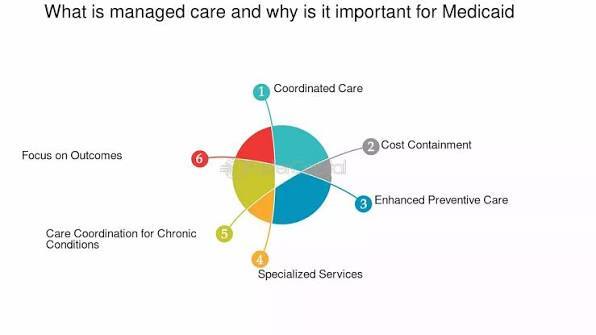
Better Care Coordination
Improve communication among providers.
Cost Management
Promote efficient healthcare delivery.
Preventive Care
Encourage early intervention.
Network Management
Coordinate provider participation.
Improved Patient Outcomes
Support quality-focused healthcare.
These advantages contribute to a more organized healthcare system.
Types of Managed Care Plans
Several common managed care plan models are used throughout the healthcare industry.
Health Maintenance Organization (HMO)
Typically requires primary care coordination.
Preferred Provider Organization (PPO)
Offers greater provider flexibility.
Exclusive Provider Organization (EPO)
Uses a defined provider network.
Point of Service (POS)
Combines features of HMO and PPO plans.
Medicaid Managed Care
Coordinates healthcare services for eligible Medicaid beneficiaries.
Each plan has unique billing and authorization requirements.
Managed Care and Medical Billing
Medical billing professionals play a critical role in successful managed care reimbursement.
Important responsibilities include:
Insurance Verification
Confirm patient coverage.
Eligibility Review
Verify benefits before treatment.
Prior Authorization
Obtain required approvals.
Accurate Coding
Submit correct diagnosis and procedure codes.
Claims Management
Follow payer-specific billing guidelines.
Strong billing practices reduce claim denials.
Provider Networks in Managed Care
Provider participation is central to managed care.
Network considerations include:
Credentialing
Meet payer participation requirements.
Contract Management
Understand reimbursement agreements.
Referral Requirements
Coordinate patient care appropriately.
Network Compliance
Follow payer policies.
Ongoing Communication
Maintain strong payer relationships.
Network participation affects reimbursement opportunities.
Prior Authorization and Managed Care
Many managed care plans require prior authorization before certain services are performed.
Common authorization requirements include:
Diagnostic Imaging
Advanced imaging procedures.
Surgical Services
Selected operations.
Specialty Medications
Certain prescription drugs.
Therapy Services
Physical, occupational, or speech therapy.
Durable Medical Equipment
Specified medical devices.
Proper authorization helps prevent denials.
Common Billing Challenges
Healthcare organizations frequently encounter managed care billing challenges.
Examples include:
Eligibility Issues
Coverage changes affect reimbursement.
Missing Authorizations
Services require prior approval.
Coding Errors
Incorrect coding delays payment.
Contract Variations
Each payer follows different rules.
Timely Filing Deadlines
Late claims may be denied.
Careful workflow management minimizes these risks.
Best Practices for Managed Care Success
Healthcare providers can improve managed care performance through proactive planning.
Verify Benefits Early
Confirm patient coverage.
Maintain Accurate Documentation
Support medical necessity.
Train Billing Staff
Understand payer requirements.
Monitor Contract Changes
Review updated policies.
Audit Claims Regularly
Identify improvement opportunities.
Continuous quality improvement strengthens reimbursement.
Managed Care Compliance
Compliance remains essential in every managed care environment.
Key areas include:
Accurate Documentation
Maintain complete medical records.
Coding Compliance
Follow official coding guidelines.
Privacy Protection
Safeguard patient information.
Timely Claims Submission
Meet payer deadlines.
Internal Auditing
Identify potential compliance issues.
Strong compliance supports long-term success.
How Technology Improves Managed Care
Modern healthcare technology enhances managed care administration.
Helpful solutions include:
- Electronic Health Records (EHR)
- Practice Management Systems
- Revenue Cycle Management Software
- Eligibility Verification Tools
- Authorization Tracking
- Claims Analytics
Technology improves efficiency while reducing administrative burdens.
Why Choose Icon Billing LLC
At Icon Billing LLC, we help healthcare providers maximize managed-care reimbursement through comprehensive revenue cycle management services.
Our professional solutions include:
- Medical billing
- Medical coding
- Insurance verification
- Credentialing
- Prior authorization
- Denial management
- Payment posting
- Accounts receivable follow-up
- Compliance consulting
- Revenue cycle management
Our experienced billing specialists work closely with physicians, clinics, hospitals, and specialty practices to improve claim accuracy, reduce denials, strengthen payer compliance, and optimize financial performance.
Future Trends in Managed Care
Healthcare continues evolving, and managed-care will remain a key component of reimbursement.
Emerging trends include:
Value-Based Care
Focus on patient outcomes.
Artificial Intelligence
Improve claims analysis.
Predictive Analytics
Identify reimbursement risks.
Digital Health
Expand virtual care options.
Automated Workflows
Reduce administrative costs.
Innovation will continue transforming healthcare reimbursement.
Frequently Asked Questions
What is managed care?
Managed-care is a healthcare delivery system that coordinates medical services through provider networks, utilization management, and negotiated reimbursement agreements.
Why is managed-care important?
It helps improve care coordination, manage healthcare costs, promote preventive care, and support efficient reimbursement.
What types of managed-care plans exist?
Common plan types include HMOs, PPOs, EPOs, POS plans, and Medicaid managed-care programs.
Why does prior authorization matter?
Many managed-care organizations require authorization before certain services to determine medical necessity and coverage eligibility.
How can providers improve managed care reimbursement?
Accurate coding, timely claims submission, proper authorization, insurance verification, and ongoing compliance all contribute to stronger reimbursement outcomes.
Why choose Icon Billing LLC?
Icon Billing LLC provides professional medical billing, coding, insurance verification, credentialing, prior authorization, denial management, compliance consulting, and revenue cycle management services that help healthcare providers improve operational efficiency and maximize reimbursement.
Conclusion
Understanding managed-care is essential for healthcare providers seeking to improve reimbursement, strengthen compliance, and deliver coordinated patient care. As healthcare reimbursement models continue evolving, providers must remain informed about changing payer requirements, authorization policies, provider network participation, and billing regulations. Effective managed-care administration requires accurate documentation, timely claims submission, proactive insurance verification, and ongoing staff education to minimize denials and support consistent financial performance.
Healthcare organizations that invest in strong revenue cycle management processes are better positioned to navigate the complexities of managed-care while improving operational efficiency and patient satisfaction. Leveraging technology such as electronic health records, eligibility verification tools, authorization tracking systems, and claims analytics further streamlines administrative workflows and supports more accurate reimbursement.
At Icon Billing LLC, we are dedicated to helping healthcare providers succeed in today’s increasingly complex reimbursement environment. Through expert medical billing, coding, insurance verification, credentialing, prior authorization, denial management, and comprehensive revenue cycle management services, our experienced professionals deliver customized solutions that reduce administrative burdens, improve cash flow, and maximize reimbursement. Partner with Icon Billing LLC to strengthen your managed-care processes, enhance compliance, and build a more efficient and financially successful healthcare practice.