Medicaid Eligibility: Everything You Need to Know Before Applying
Healthcare costs continue to rise across the United States, making government healthcare assistance programs more important than ever. For millions of Americans, understanding medicaid eligibility can mean the difference between receiving affordable medical care and struggling with overwhelming healthcare expenses.
Unfortunately, many individuals and families misunderstand how medicaid eligibility works. Some assume they automatically qualify, while others mistakenly believe they earn too much or do not meet state requirements. Confusion surrounding income limits, family size, disabilities, billing procedures, and state regulations often causes unnecessary delays and denied applications.
At Icon Billing LLC, we understand how complex healthcare systems and insurance regulations can become. Medical providers, clinics, hospitals, and patients all rely on accurate billing processes and proper insurance verification to avoid costly claim issues. That is why understanding medicaid eligibility is essential not only for patients but also for healthcare providers and billing professionals.
This comprehensive guide explains everything you need to know about medicaid eligibility, including who qualifies, income requirements, state differences, common application mistakes, healthcare billing concerns, and how to improve your chances of approval.
What Is Medicaid Eligibility?
The term medicaid eligibility refers to the rules and qualifications individuals must meet to receive Medicaid benefits through state and federal healthcare assistance programs. Medicaid helps low-income individuals and families access medical services, hospital care, prescription drugs, preventive treatment, and long-term healthcare support.
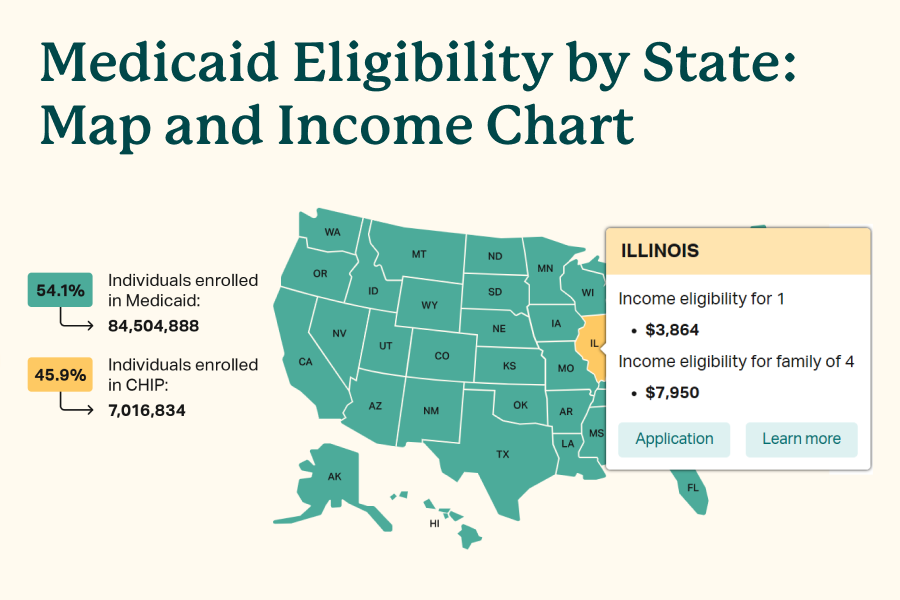
Medicaid is jointly funded by federal and state governments, which means every state operates its own Medicaid program under federal guidelines. Because of this structure, medicaid eligibility requirements can vary significantly from one state to another.
Generally, Medicaid serves:
- Low-income adults
- Children
- Pregnant women
- Seniors
- Disabled individuals
- Certain qualified immigrants
The Affordable Care Act expanded Medicaid coverage in many states, allowing additional low-income adults to qualify even if they previously did not meet traditional requirements.
Understanding medicaid eligibility is important because approval decisions are based on several factors, including:
| Eligibility Factor | Description |
|---|---|
| Income | Household earnings |
| Household Size | Number of dependents |
| Disability Status | Medical limitations |
| Age | Child, adult, or senior |
| Residency | State residence requirements |
| Citizenship | Immigration and legal status |
Healthcare providers and billing companies must also verify medicaid eligibility accurately to avoid claim denials, delayed reimbursements, and compliance issues.
Who Qualifies for Medicaid Eligibility?
Many Americans are surprised to learn they may qualify for Medicaid even if they are employed or own limited assets. Modern medicaid eligibility standards consider multiple financial and medical factors rather than simply whether someone has a job.
Common groups that may qualify include:
Low-Income Families
Families with limited income often qualify for Medicaid benefits, especially households with children.
Pregnant Women
Pregnancy-related healthcare coverage is one of the most common forms of medicaid eligibility across the United States.
Children
Children may qualify under Medicaid or CHIP programs even if parents earn moderate incomes.
Disabled Individuals
People with qualifying disabilities frequently meet specialized medicaid eligibility standards.
Seniors
Older adults requiring nursing home care or long-term assistance may qualify based on income and assets.
Adults in Expansion States
Many states expanded Medicaid coverage under the Affordable Care Act, increasing medicaid eligibility access for adults without dependent children.
Because every state operates differently, applicants should carefully review local Medicaid requirements before assuming they qualify or do not qualify.
Income Limits and Medicaid Eligibility
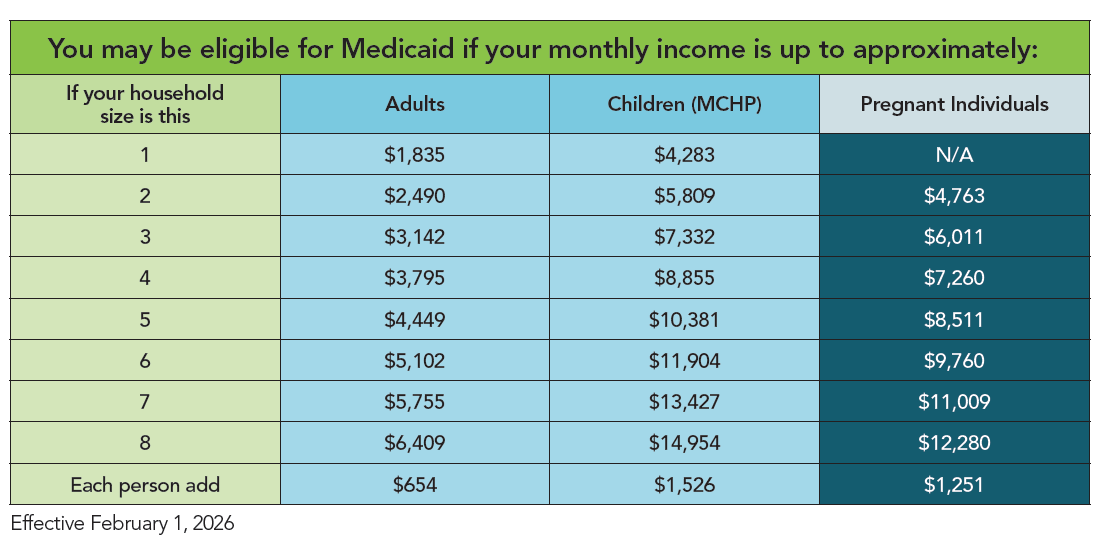
Income remains one of the most important factors in determining medicaid eligibility. States generally calculate eligibility using Modified Adjusted Gross Income (MAGI), which includes taxable income and household size.
Income thresholds vary based on:
- State regulations
- Family size
- Age category
- Pregnancy status
- Disability classification
For example, a family of four may qualify for Medicaid in one state but exceed income limits in another.
Below is a simplified example of factors influencing medicaid eligibility income standards:
| Household Category | Possible Income Consideration |
|---|---|
| Single Adult | Individual annual earnings |
| Married Couple | Combined household income |
| Family with Children | Income plus dependents |
| Pregnant Applicant | Expanded thresholds |
| Disabled Individual | Separate disability calculations |
Certain income sources may also be treated differently, including:
- Social Security benefits
- Disability payments
- Self-employment income
- Retirement distributions
- Child support
Applicants should always provide accurate financial information during the medicaid eligibility process because incomplete or incorrect documentation can delay approval.
Healthcare providers and medical billing teams also depend on proper income verification to avoid billing complications and rejected Medicaid claims.
Medicaid Eligibility and State Differences
One of the biggest misconceptions about medicaid eligibility is assuming every state follows identical rules. In reality, Medicaid programs vary considerably across the country.
Some states expanded Medicaid coverage under federal healthcare reforms, while others maintain stricter standards.
State differences may involve:
- Income limits
- Covered services
- Asset restrictions
- Renewal procedures
- Work requirements
- Expansion program rules
For example, certain states offer broader healthcare coverage for adults, while others focus primarily on children, pregnant women, seniors, and disabled applicants.
Because of these variations, individuals relocating to another state may experience changes in their medicaid eligibility status.
Healthcare providers must also stay informed about state Medicaid regulations because reimbursement procedures and billing requirements can differ significantly.
At Icon Billing LLC, we help healthcare providers navigate Medicaid billing systems accurately while reducing claim denials and compliance risks.
Common Medicaid Eligibility Mistakes to Avoid
Many Medicaid applications are delayed or denied because of preventable mistakes. Understanding these common issues can improve your chances of approval and reduce unnecessary stress.
Providing Incorrect Income Information
Applicants sometimes underestimate or misreport income during the medicaid eligibility process.
Missing Documentation
Required documents may include:
- Pay stubs
- Tax returns
- Identification
- Residency proof
- Social Security information
Failing to Report Household Changes
Changes involving marriage, divorce, children, or employment can affect medicaid eligibility.
Ignoring Renewal Notices
Medicaid recipients must periodically renew benefits to maintain coverage.
Assuming Automatic Qualification
Even individuals receiving other benefits may still need to complete Medicaid verification procedures.
Healthcare providers can also experience billing problems if patient medicaid eligibility verification is incomplete or outdated.
Proper documentation and verification procedures remain essential for reducing payment delays and denied medical claims.
How Medicaid Eligibility Affects Medical Billing
For healthcare providers, accurate medicaid eligibility verification is critical for maintaining smooth billing operations and financial stability.
When providers fail to verify patient eligibility correctly, several problems may occur:
| Billing Problem | Potential Consequence |
|---|---|
| Claim Denials | Delayed reimbursements |
| Coverage Errors | Unpaid balances |
| Coding Mistakes | Compliance concerns |
| Authorization Issues | Service rejection |
| Eligibility Expiration | Billing disputes |
Medical practices, clinics, and hospitals rely heavily on proper Medicaid verification systems to ensure claims are processed successfully.
At Icon Billing LLC, we specialize in helping healthcare providers improve billing accuracy, reduce denials, and streamline Medicaid claim management.
Our medical billing services include:
- Eligibility verification
- Claims processing
- Revenue cycle management
- Insurance follow-up
- Denial management
- Compliance support
Understanding medicaid eligibility benefits both patients and healthcare organizations by minimizing confusion and improving financial outcomes.
Medicaid Eligibility for Seniors and Long-Term Care
Long-term care expenses can quickly become financially overwhelming for seniors and their families. Medicaid often plays a major role in helping older adults pay for nursing home care and assisted living services.
However, senior medicaid eligibility rules may involve stricter financial reviews compared to standard Medicaid programs.
Factors commonly evaluated include:
- Income levels
- Savings accounts
- Property ownership
- Asset transfers
- Retirement accounts
Certain states apply “look-back periods” to review financial transactions made before applying for Medicaid long-term care assistance.
Families should seek professional guidance when planning for senior medicaid eligibility because improper asset transfers may create penalties or delayed approval periods.
Healthcare providers managing elderly patients must also understand Medicaid billing procedures for long-term care services to avoid reimbursement complications.
Medicaid Eligibility and Immigration Status
Immigration status can significantly affect medicaid eligibility. While some qualified immigrants may receive Medicaid benefits, eligibility standards vary depending on immigration category and residency duration.
Potentially eligible groups may include:
- Lawful permanent residents
- Refugees
- Asylees
- Certain humanitarian entrants
Emergency Medicaid services may also be available for some non-citizens experiencing medical emergencies.
Because immigration-related healthcare rules can become highly technical, applicants should carefully review federal and state requirements before submitting applications.
Medical providers should also verify immigration-related medicaid eligibility carefully to ensure accurate claim submission and regulatory compliance.
How to Apply for Medicaid Eligibility Successfully
Applying for Medicaid may seem overwhelming initially, but proper preparation can simplify the process considerably.
Gather Financial Documents
Applicants should prepare:
- Tax returns
- Pay stubs
- Bank statements
- Identification documents
Submit Accurate Information
Errors during the medicaid eligibility application process can cause delays.
Apply Through Official Channels
Most states allow applications through:
- State Medicaid websites
- Healthcare marketplaces
- Local Medicaid offices
- Phone applications
Respond Quickly to Requests
State agencies may request additional documentation during review.
Keep Copies of Everything
Maintaining records helps resolve disputes or missing documentation issues later.
Healthcare providers should encourage patients to maintain updated Medicaid records because expired coverage can interrupt treatment and billing processes.
For official Medicaid information, applicants can visit Medicaid.gov Official Website
Why Medicaid-Eligibility Verification Matters for Healthcare Providers
Medical practices and healthcare organizations face increasing financial pressure due to denied claims and reimbursement delays. Accurate medicaid-eligibility verification has become more important than ever.
Benefits of proper verification include:
- Faster reimbursements
- Reduced denied claims
- Better patient communication
- Improved compliance
- Stronger revenue cycle management
At Icon Billing LLC, we help healthcare providers optimize their billing systems and improve Medicaid claims management through professional revenue cycle support.
Our experienced billing specialists understand the complexities surrounding medicaid-eligibility, insurance verification, coding accuracy, and compliance regulations.
By improving verification processes, healthcare providers can reduce financial risks while delivering better patient care.
Frequently Asked Questions About Medicaid-Eligibility
What is medicaid-eligibility?
Medicaid-eligibility refers to the qualifications individuals must meet to receive Medicaid healthcare benefits.
Does every state have the same Medicaid rules?
No. Each state operates its own Medicaid program with different income limits and coverage requirements.
Can working adults qualify for Medicaid?
Yes. Many low-income working adults may meet medicaid-eligibility requirements, especially in expansion states.
Does Medicaid cover seniors?
Yes. Medicaid often helps seniors with long-term care and nursing home expenses.
Can immigrants qualify for Medicaid?
Certain qualified immigrants may meet medicaid-eligibility standards depending on immigration category and residency rules.
Why is eligibility verification important for healthcare providers?
Accurate verification helps providers reduce denied claims, improve reimbursements, and maintain compliance.
Conclusion
Understanding medicaid-eligibility is essential for patients, families, healthcare providers, and billing professionals navigating today’s complex healthcare environment. Medicaid programs provide critical healthcare access for millions of Americans, but qualification rules can vary widely depending on income, household size, disability status, age, and state regulations.
Because errors during the medicaid-eligibility process can lead to denied coverage, billing disputes, and delayed care, proper documentation and professional guidance remain extremely important.
Healthcare organizations also depend on accurate eligibility verification to maintain stable revenue cycles, reduce claim denials, and improve patient satisfaction.
At Icon Billing LLC, we are committed to helping healthcare providers streamline billing operations, improve insurance verification, and manage Medicaid claims more efficiently. Our expertise in medical billing and revenue cycle management allows providers to focus more on patient care while reducing administrative challenges.