7 Powerful Facts About OSA ICD 10 That Can Save Medical Billing Errors
Sleep disorders continue to rise across the United States, and one of the most commonly diagnosed conditions is obstructive sleep apnea. For healthcare providers and billing professionals, understanding osa icd 10 coding is essential for accurate claim submission, faster reimbursements, and reduced denials. Incorrect coding can create major financial setbacks for medical practices and delay patient care approvals.
The growing demand for sleep studies, CPAP therapy, and pulmonary evaluations has made proper coding more important than ever. Whether you operate a primary care clinic, pulmonology practice, sleep center, or billing company, mastering osa icd 10 guidelines can significantly improve your revenue cycle management process.
In this detailed guide, you’ll learn everything you need to know about osa icd 10, including diagnosis definitions, documentation requirements, billing tips, common coding mistakes, insurance considerations, and compliance strategies.
Understanding OSA ICD 10 and Why It Matters
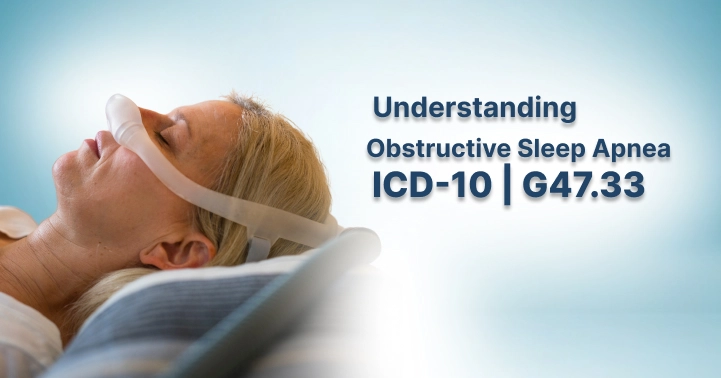
The term osa icd 10 refers to the ICD-10-CM diagnosis code used for obstructive sleep apnea. The primary code most providers use is G47.33, which specifically identifies obstructive sleep apnea in adult patients.
Obstructive sleep apnea occurs when the upper airway repeatedly collapses during sleep, causing interruptions in breathing. Patients often experience loud snoring, excessive daytime sleepiness, fatigue, morning headaches, and poor concentration. Because this condition can lead to serious cardiovascular complications, accurate diagnosis and coding are critical.
Medical billers must understand how osa icd 10 connects with insurance claims, sleep studies, CPAP equipment billing, and long-term treatment management. A single coding mistake can result in denied claims, delayed payments, or compliance concerns during audits.
Healthcare providers should also recognize that accurate documentation directly supports proper coding. Physicians must clearly document:
- Confirmed diagnosis of obstructive sleep apnea
- Sleep study findings
- Severity of symptoms
- CPAP recommendations
- Associated comorbidities
Without detailed clinical documentation, using osa icd 10 correctly becomes difficult. Insurance payers often request supporting evidence before approving diagnostic testing or durable medical equipment.
Another reason why osa icd 10 matters is quality reporting. Many healthcare organizations track sleep apnea treatment outcomes through value-based care models. Proper coding ensures accurate patient data reporting and improved reimbursement opportunities.
According to the Centers for Disease Control and Prevention, untreated sleep disorders can increase the risk of hypertension, diabetes, stroke, and heart disease. This makes accurate diagnosis coding even more essential in modern healthcare systems.
The Official ICD-10 Code for Obstructive Sleep Apnea
The primary diagnosis code linked with osa icd 10 is:
| ICD-10 Code | Description |
|---|---|
| G47.33 | Obstructive Sleep Apnea (Adult) (Pediatric) |
This code is considered billable and specific under ICD-10-CM guidelines. Providers should avoid using unspecified sleep disorder codes when obstructive sleep apnea has already been confirmed.
One of the biggest mistakes in osa icd 10 billing is confusing obstructive sleep apnea with other sleep-related breathing disorders. Different conditions require separate codes, including:
| Condition | ICD-10 Code |
|---|---|
| Central Sleep Apnea | G47.31 |
| Sleep Apnea Unspecified | G47.30 |
| Insomnia | G47.00 |
| Hypersomnia | G47.10 |
Using the wrong diagnosis code can create claim denials and trigger payer audits. Insurance companies frequently compare physician notes, sleep study reports, and diagnosis coding for consistency.
Another important factor in osa icd 10 coding involves pediatric cases. Although G47.33 includes pediatric obstructive sleep apnea, providers should still document age-specific symptoms and treatment plans carefully.
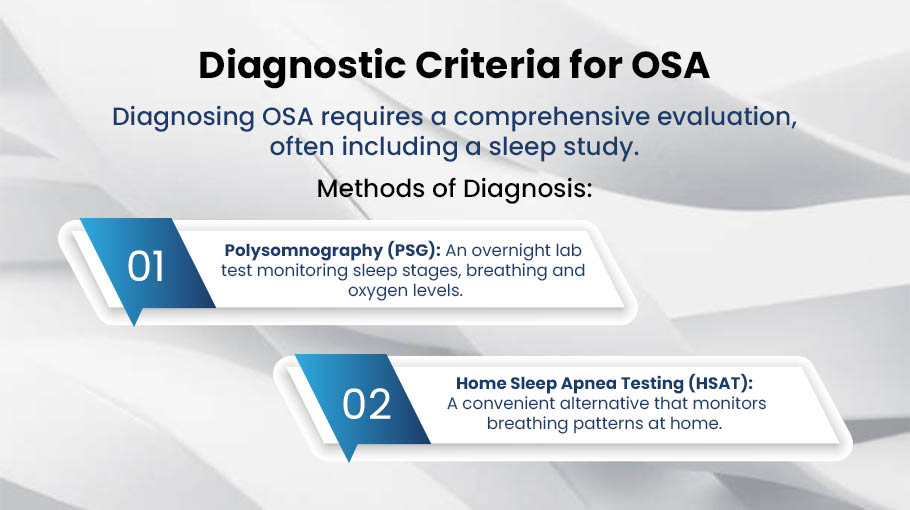
Many payers also require evidence of diagnostic testing before approving CPAP therapy. Sleep studies may include:
- Polysomnography
- Home sleep apnea testing
- Split-night sleep studies
- CPAP titration studies
Medical billers should verify whether payer-specific policies require preauthorization. Failing to meet insurance requirements can delay reimbursements even when osa icd 10 is coded correctly.
Providers should also ensure that all supporting CPT codes align with the diagnosis. Sleep study procedure codes must match the documented symptoms and confirmed diagnosis.
Common Billing Mistakes With OSA ICD 10
Even experienced billing teams make errors when processing claims related to osa icd 10. These mistakes often lead to denials, payment delays, and increased administrative workload.
One common issue involves incomplete documentation. Physicians may mention snoring or fatigue without formally confirming obstructive sleep apnea. In these situations, coders should avoid assigning osa icd 10 until the diagnosis is properly established.
Another frequent mistake is using unspecified sleep apnea codes instead of G47.33. Insurance companies prefer specific diagnosis coding whenever possible. Using unspecified codes can trigger additional medical review requests.
Here are some major billing mistakes associated with osa icd 10:
Incorrect Diagnosis Sequencing
If obstructive sleep apnea is the primary reason for treatment, osa icd 10 should usually appear as the primary diagnosis. Incorrect sequencing can reduce reimbursement accuracy.
Missing Sleep Study Documentation
Payers often require evidence of diagnostic testing before approving CPAP machines or related therapies. Missing reports can result in automatic denials.
Failure to Verify Medical Necessity
Insurance providers frequently review whether sleep studies meet medical necessity criteria. Symptoms such as daytime fatigue, obesity, hypertension, or witnessed apneas often support claim approval.
Inconsistent Provider Notes
If physician notes conflict with submitted diagnosis codes, the claim may face rejection. Consistency between documentation and osa icd 10 coding is essential.
Billing CPAP Equipment Too Early
Some payers require completed sleep studies and documented CPAP compliance before authorizing long-term equipment coverage.
To minimize denials, billing departments should establish strong claim review procedures. Internal audits can help identify recurring coding issues before claims are submitted.
Documentation Requirements for Accurate OSA ICD 10 Coding
Strong documentation is the foundation of proper osa icd 10 coding. Insurance companies increasingly demand detailed clinical evidence before processing claims.
A complete sleep apnea record should include:
- Patient symptoms
- Physical examination findings
- Sleep study results
- Diagnosis confirmation
- Treatment recommendations
- Follow-up plans
Physicians should clearly document whether the patient has mild, moderate, or severe obstructive sleep apnea. This information supports treatment decisions and demonstrates medical necessity.
When coding osa icd 10, medical billers should also confirm that provider documentation includes symptom duration and failed conservative treatments when applicable.
Examples of common symptoms include:
- Loud snoring
- Witnessed breathing interruptions
- Excessive daytime sleepiness
- Morning headaches
- Difficulty concentrating
- Chronic fatigue
Detailed documentation improves claim acceptance rates and reduces payer requests for additional records.
Healthcare organizations should also maintain proper compliance procedures. During audits, payers may request proof that diagnosis coding accurately reflects clinical findings. Missing documentation can result in payment recoupments.
Electronic health record templates can help providers capture the information needed for accurate osa icd 10 coding. Standardized workflows also improve coding consistency across multiple providers.
Another important consideration involves follow-up care. Patients using CPAP therapy often require compliance monitoring and periodic reevaluation. Updated records should reflect ongoing treatment effectiveness and patient adherence.
Insurance and Reimbursement Guidelines for OSA ICD 10
Insurance reimbursement for osa icd 10 claims depends heavily on medical necessity, proper coding, and payer-specific policies. Every insurance carrier may have different requirements regarding sleep studies, CPAP devices, and specialist referrals.
Commercial insurers, Medicare, and Medicaid frequently require:
- Confirmed sleep apnea diagnosis
- Documented symptoms
- Sleep study interpretation
- CPAP compliance reports
- Physician treatment plans
Claims associated with osa icd 10 should always include accurate CPT and HCPCS codes. Billing teams must ensure diagnosis codes support the procedures billed.
Common related CPT codes include:
| Procedure | CPT Code |
|---|---|
| Polysomnography | 95810 |
| CPAP Titration Study | 95811 |
| Home Sleep Study | 95806 |
Incorrect coding combinations can trigger payer edits and reimbursement delays.
Another critical issue involving osa icd 10 is durable medical equipment billing. CPAP machines, masks, tubing, and supplies often require separate HCPCS codes along with supporting documentation.
Insurance providers may also request proof of patient compliance before continuing CPAP coverage. Patients typically must demonstrate regular device usage during the first few months of therapy.
Medical billers should stay updated on payer policy changes because reimbursement guidelines evolve frequently. Regular staff training can improve claim accuracy and reduce denials.
Healthcare providers that specialize in pulmonary medicine or sleep disorders often benefit from outsourcing billing services to experienced coding professionals familiar with osa icd 10 requirements.
Best Practices to Improve OSA ICD-10 Claim Approval Rates
Improving reimbursement success for osa icd-10 claims requires a proactive billing strategy. Small workflow improvements can significantly reduce claim denials and accelerate payment processing.
Verify Insurance Eligibility Early
Before scheduling sleep studies, verify patient benefits and preauthorization requirements. This step helps avoid unexpected denials later.
Train Coding Staff Regularly
ICD-10 coding updates and payer rules frequently change. Ongoing education ensures coding teams remain compliant with current guidelines for osa icd-10 claims.
Conduct Internal Audits
Regular claim audits help identify recurring billing problems. Reviewing denied claims can reveal documentation gaps or coding inconsistencies.
Improve Provider Communication
Coders and physicians should communicate closely regarding diagnosis specificity and treatment documentation. Collaboration improves coding accuracy.
Monitor Denial Trends
Tracking denial patterns allows billing teams to correct issues quickly. If multiple denials involve osa icd-10, additional staff training may be necessary.
Use Technology Effectively
Modern revenue cycle management software can flag coding errors before claim submission. Automation reduces manual mistakes and improves billing efficiency.
Many successful medical practices also create standardized documentation templates for sleep apnea visits. These templates ensure providers consistently capture all required information.
Another helpful strategy is maintaining payer-specific billing checklists. Different insurers may have unique requirements for sleep study approvals, CPAP authorizations, or follow-up documentation.
When practices optimize their workflows around osa icd-10, they often experience faster reimbursements, improved cash flow, and fewer administrative headaches.
FAQs About OSA ICD-10
What is the correct code for obstructive sleep apnea?
The correct osa icd-10 diagnosis code is G47.33 for obstructive sleep apnea in adults and pediatric patients.
Can providers bill CPAP equipment with OSA ICD-10?
Yes. Providers can bill CPAP-related equipment when documentation supports medical necessity and payer requirements are met.
Is a sleep study required before using OSA ICD-10?
Most insurance companies require a diagnostic sleep study before approving treatment related to osa icd-10.
What causes claim denials for OSA ICD-10?
Common denial reasons include incomplete documentation, incorrect diagnosis sequencing, lack of medical necessity, and missing sleep study reports.
Does Medicare cover sleep apnea treatment?
Medicare may cover sleep studies and CPAP therapy when medical necessity guidelines for osa icd-10 are satisfied.
Why is accurate coding important for sleep apnea claims?
Accurate coding helps providers avoid denials, improve reimbursement rates, maintain compliance, and support patient treatment continuity.
Conclusion
Accurate osa icd-10 coding plays a major role in successful medical billing and revenue cycle management. As obstructive sleep apnea diagnoses continue to increase, healthcare providers must prioritize proper documentation, payer compliance, and coding accuracy.
From sleep studies to CPAP therapy approvals, every stage of the billing process depends on detailed clinical records and correct diagnosis reporting. Mistakes involving osa icd-10 can lead to delayed reimbursements, denied claims, compliance risks, and patient dissatisfaction.
Medical practices that invest in staff education, internal audits, and strong billing workflows are far more likely to achieve higher claim approval rates. Whether you manage a sleep center, pulmonary clinic, or primary care practice, understanding osa icd-10 guidelines is essential for long-term financial and operational success.