10 Powerful Strategies to Reduce Denial Rates and Avoid Costly Revenue Loss in Medical Billing
Medical billing is a critical component of every healthcare organization’s financial success. When insurance claims are denied, providers experience delayed reimbursements, increased administrative costs, and unnecessary pressure on cash flow. High denial rates not only affect profitability but also consume valuable staff time that could be devoted to patient care and operational improvement.
Across hospitals, physician practices, specialty clinics, ambulatory surgery centers, and other healthcare organizations, reducing denial rates has become a top priority. As payer requirements become increasingly complex, billing teams must focus on accuracy, compliance, documentation, and proactive claim management to improve reimbursement outcomes.
At Icon Billing LLC, we specialize in medical billing, coding, credentialing, denial management, insurance verification, and revenue cycle management. Our experienced professionals help healthcare providers identify the root causes of denial rates, implement corrective strategies, and optimize the billing process for faster, more accurate payments.
This comprehensive guide explains what denial rates are, why they matter, common causes of claim denials, best practices for prevention, and how professional medical billing services can strengthen your revenue cycle.

What Are Denial Rates?
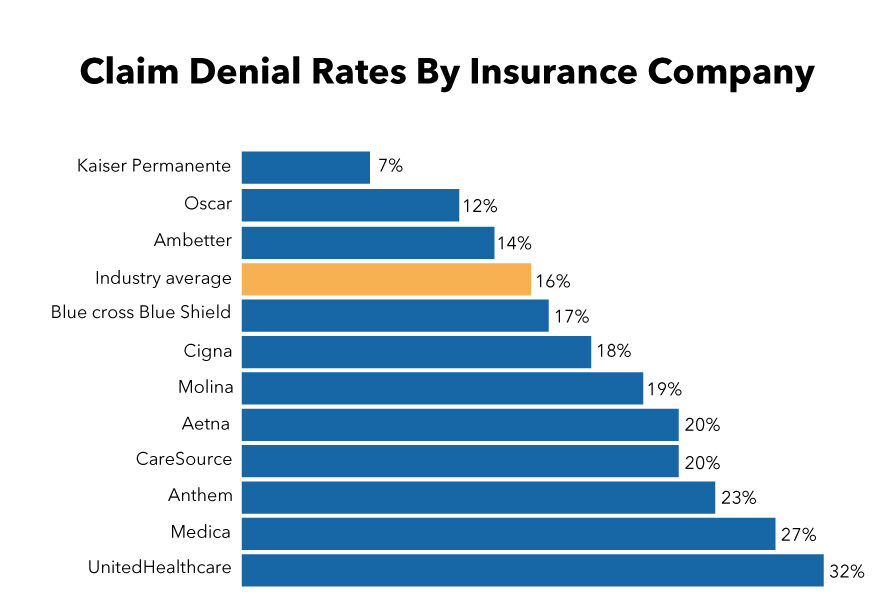
Denial rates measure the percentage of insurance claims that are denied by payers after submission. These denials may occur for clinical, administrative, technical, or financial reasons.
Healthcare organizations monitor denial rates to evaluate billing performance, identify recurring issues, and improve reimbursement processes.
A high denial rate often indicates opportunities to strengthen documentation, coding accuracy, eligibility verification, or workflow management.
Monitoring denial rates allows providers to:
- Identify billing trends
- Improve operational efficiency
- Reduce claim rework
- Accelerate reimbursements
- Strengthen compliance
- Improve financial performance
Organizations that regularly analyze denial rates are better positioned to reduce preventable claim losses.
Why Reducing Denial Rates Is Important
Every denied claim requires additional administrative work before payment can be recovered. Staff must investigate the denial, gather supporting documentation, submit corrections, or file appeals.
Reducing denial rates offers several advantages:
Faster Payments
Fewer denials lead to quicker claim processing and improved cash flow.
Lower Administrative Costs
Reducing claim rework saves staff time and operational resources.
Improved Revenue
More approved claims translate directly into stronger financial performance.
Better Patient Satisfaction
Accurate billing reduces confusion regarding insurance responsibility and balances.
Increased Staff Productivity
Billing specialists spend less time correcting preventable errors.
Improving denial-rates benefits both healthcare providers and patients by creating a more efficient revenue cycle.
Common Causes of High Denial Rates
Insurance claims may be denied for many different reasons. Understanding these causes is the first step toward prevention.
Insurance Eligibility Issues
Coverage may be inactive, terminated, or require updated information.
Authorization Problems
Required prior authorizations may be missing or incomplete.
Coding Errors
Incorrect ICD-10, CPT®, HCPCS, or modifier usage frequently contributes to higher denial-rates.
Documentation Deficiencies
Incomplete clinical documentation may fail to support billed services.
Duplicate Claims
Submitting duplicate claims can result in automatic denials.
Timely Filing Violations
Claims submitted after payer deadlines may be rejected regardless of medical necessity.
By addressing these issues proactively, providers can significantly improve denial-rates.
How Medical Coding Affects Denial Rates
Accurate coding is one of the most important factors influencing claim approval.
Coding professionals should:
- Verify diagnosis codes
- Confirm procedure codes
- Apply modifiers correctly
- Review payer-specific guidelines
- Maintain current coding knowledge
- Conduct routine coding audits
Improved coding accuracy directly contributes to lower denial-rates and stronger reimbursement outcomes.
The Importance of Insurance Verification
Insurance verification performed before each patient encounter helps prevent many avoidable denials.
Verification should confirm:
- Active coverage
- Policy effective dates
- Copay requirements
- Deductible status
- Referral requirements
- Prior authorization needs
- Covered services
Accurate verification reduces administrative surprises later in the billing process and helps lower denial-rates.
Best Practices to Reduce Denial Rates
Healthcare organizations should implement standardized procedures designed to minimize preventable denials.
Recommended strategies include:
- Verify insurance eligibility before every visit.
- Obtain required authorizations.
- Improve documentation quality.
- Strengthen medical coding accuracy.
- Conduct internal billing audits.
- Submit claims promptly.
- Monitor payer policy updates.
- Train billing staff regularly.
Organizations following these practices often experience measurable improvements in denial-rates over time.
Denial Management and Appeals
Despite strong preventive measures, some claims will still be denied. An organized denial management process is essential.
Effective denial management includes:
- Reviewing denial reasons promptly
- Correcting claim errors
- Gathering supporting documentation
- Filing appeals within payer deadlines
- Tracking appeal outcomes
- Identifying recurring denial patterns
Continuous monitoring allows billing teams to reduce future denial-rates by addressing root causes instead of repeatedly correcting the same issues.
How Icon Billing LLC Helps Reduce Denial Rates
At Icon Billing LLC, we help healthcare providers improve reimbursement through comprehensive revenue cycle management and denial prevention strategies.
Our services include:
- Medical billing
- Medical coding
- Insurance verification
- Prior authorization support
- Credentialing
- Denial management
- Revenue cycle management
- Compliance assistance
- Claims auditing
Our experienced professionals analyze denial-rates, identify recurring issues, and implement customized solutions that improve billing accuracy and maximize revenue.
Frequently Asked Questions
What are denial rates?
Denial-rates represent the percentage of submitted insurance claims that are denied by payers.
Why are denial rates important?
They measure billing efficiency and directly affect reimbursement, cash flow, and administrative workload.
Can coding errors increase denial rates?
Yes. Incorrect diagnosis, procedure, or modifier coding is a leading cause of denied claims.
How can providers reduce denial-rates?
Improving insurance verification, documentation, coding accuracy, authorization management, and staff training can significantly reduce denials.
How can Icon Billing LLC help?
Icon Billing LLC provides professional medical billing, coding, denial management, credentialing, insurance verification, and revenue cycle management services to improve reimbursement performance.
Conclusion
Reducing denial-rates is essential for maintaining a healthy revenue cycle and ensuring financial stability in today’s complex healthcare environment. By focusing on accurate coding, thorough documentation, insurance verification, timely filing, and proactive denial management, healthcare organizations can significantly improve reimbursement outcomes.
Successful denial prevention requires continuous monitoring, staff education, and well-designed billing workflows. Organizations that regularly analyze denial-rates gain valuable insights that lead to long-term operational improvements.
At Icon Billing LLC, we partner with healthcare providers to streamline medical billing, reduce claim denials, improve coding accuracy, and strengthen revenue cycle performance. Our comprehensive billing solutions help providers maximize reimbursements while allowing them to focus on delivering exceptional patient care.