
9 Powerful Facts About Prediabetes ICD 10 That Providers Must Never Ignore
Accurate medical coding plays a critical role in healthcare reimbursement, patient documentation, compliance, and quality reporting. Among the many diagnosis categories healthcare providers manage today, diabetes-related conditions remain some of the most commonly coded and closely monitored. One increasingly important coding topic is prediabetes icd 10 documentation and billing.
As rates of metabolic disorders continue rising nationwide, healthcare organizations frequently diagnose patients with prediabetes before full Type 2 diabetes develops. Correct use of prediabetes icd 10 codes helps providers document patient conditions accurately while supporting preventive care, insurance reimbursement, and long-term treatment planning.
Unfortunately, many healthcare providers and billing teams struggle with coding accuracy involving prediabetes icd 10 because of evolving guidelines, documentation challenges, payer requirements, and reimbursement complexities. Coding errors can result in claim denials, compliance risks, delayed payments, and inaccurate patient records.
At Icon Billing LLC, we help healthcare organizations improve coding accuracy, streamline claims management, and optimize revenue cycle performance. Understanding proper use of prediabetes icd 10 coding is essential for both clinical documentation and financial success.
This comprehensive guide explains everything healthcare providers need to know about prediabetes icd 10, including diagnosis definitions, coding guidelines, reimbursement considerations, documentation requirements, compliance concerns, and billing best practices.
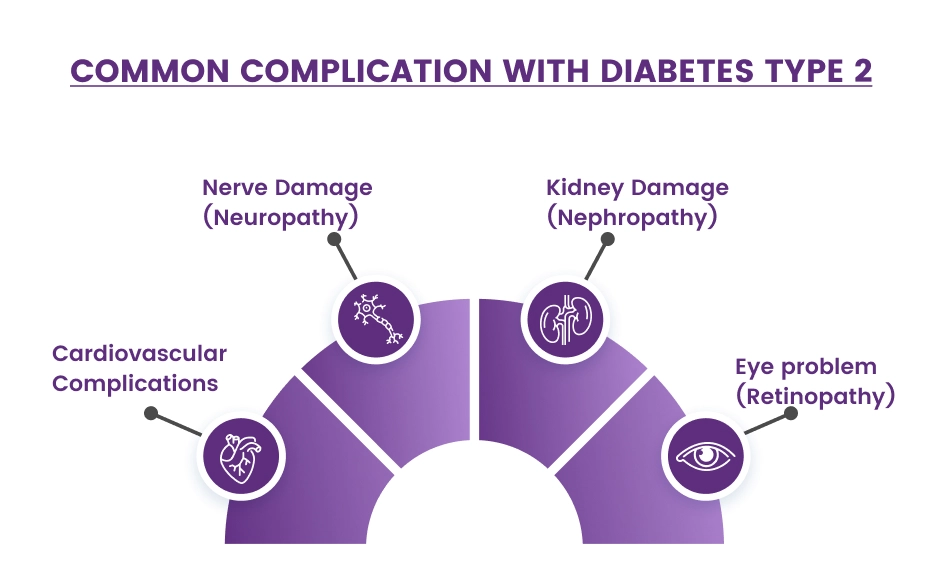
What Is Prediabetes ICD 10?
Prediabetes icd 10 refers to the ICD-10-CM diagnosis coding used to document patients with blood sugar levels that are elevated but not yet high enough to qualify as Type 2 diabetes.
The most commonly associated ICD-10 code for prediabetes is:
- R73.03 – Prediabetes
The Centers for Medicare & Medicaid Services and ICD-10-CM coding guidelines classify prediabetes under abnormal glucose findings rather than confirmed diabetes diagnoses.
Official coding guidelines are available here:
ICD-10-CM Official Guidelines
Healthcare providers commonly use prediabetes icd 10 coding when patients demonstrate:
- Elevated fasting glucose levels
- Abnormal A1C results
- Impaired glucose tolerance
- Increased diabetes risk factors
Accurate coding supports preventive treatment strategies designed to reduce progression toward Type 2 diabetes.
Why Prediabetes ICD 10 Coding Matters
Correct use of prediabetes icd 10 codes is important for several clinical and financial reasons.
Accurate Patient Documentation
Coding helps maintain complete and accurate medical records.
Insurance Reimbursement
Payers rely on diagnosis codes to evaluate medical necessity and treatment eligibility.
Preventive Care Tracking
Prediabetes coding supports early intervention and chronic disease prevention programs.
Quality Reporting
Healthcare organizations use diagnosis data for reporting and population health management.
Compliance Protection
Proper coding reduces audit risks and billing disputes.
As diabetes rates continue increasing nationwide, healthcare providers must understand how to apply prediabetes icd 10 codes correctly and consistently.
Clinical Criteria Associated With Prediabetes ICD 10
Providers typically assign prediabetes icd 10 coding based on laboratory findings and clinical evaluations.
Common diagnostic indicators include:
Elevated Hemoglobin A1C
A1C levels between 5.7% and 6.4% often support prediabetes diagnoses.
Impaired Fasting Glucose
Fasting glucose levels higher than normal but below diabetes thresholds.
Glucose Tolerance Abnormalities
Patients may demonstrate impaired glucose processing after meals.
Obesity and Metabolic Risk Factors
Weight-related conditions often increase diabetes risk.
Family History of Diabetes
Genetic predisposition may contribute to prediabetes concerns.
Strong clinical documentation supporting these findings improves coding accuracy involving prediabetes icd 10.
Documentation Requirements for Prediabetes ICD 10
Successful billing and reimbursement depend heavily on strong clinical documentation.
Healthcare providers should document:
- Laboratory test results
- A1C values
- Glucose readings
- Risk factors
- Patient symptoms
- Treatment plans
- Dietary counseling
- Follow-up recommendations
Incomplete documentation often creates reimbursement problems and coding disputes involving prediabetes icd 10.
Physician notes should clearly indicate whether patients have:
- Prediabetes
- Type 2 diabetes
- Gestational diabetes
- Abnormal glucose findings only
Clear distinctions reduce coding confusion and compliance risks.
Common Coding Mistakes With Prediabetes ICD 10
Medical coding teams frequently encounter errors involving prediabetes icd 10 because diabetes-related coding can be highly detailed.
Coding Diabetes Incorrectly
Prediabetes should not be coded as confirmed diabetes without clinical support.
Missing Supporting Documentation
Incomplete provider notes weaken reimbursement justification.
Incorrect Laboratory Interpretation
Abnormal glucose readings alone may not automatically support prediabetes coding.
Failure to Update Diagnoses
Patients progressing to diabetes may require updated coding categories.
Inconsistent Problem Lists
Electronic health records should remain updated and accurate.
Healthcare organizations should conduct regular coding reviews involving prediabetes icd 10 to reduce errors and improve claim outcomes.
How Prediabetes ICD 10 Impacts Medical Billing
Diagnosis coding directly affects reimbursement eligibility and insurance claim processing.
Correct use of prediabetes icd 10 may support billing for:
- Preventive counseling
- Nutritional education
- Laboratory testing
- Chronic care management
- Follow-up evaluations
- Obesity management services
Insurance companies review documentation carefully to determine medical necessity and coverage approval.
Professional billing services help providers optimize claims involving prediabetes icd 10 while reducing denial risks and compliance concerns.
At Icon Billing LLC, we help healthcare organizations improve coding accuracy and streamline reimbursement processes.
Compliance Risks Related to Prediabetes ICD 10
Healthcare compliance regulations continue evolving, particularly regarding chronic disease coding and preventive care billing.
Improper use of prediabetes icd 10 codes may create several compliance concerns.
Overcoding Risks
Assigning diagnoses without adequate clinical support.
Unsupported Medical Necessity
Treatments must align with documented patient conditions.
Inaccurate Chronic Disease Reporting
Incorrect coding impacts quality reporting and patient records.
Audit Exposure
Payers may review diabetes-related claims closely.
Documentation Deficiencies
Incomplete records weaken coding justification.
Healthcare organizations should maintain strong compliance oversight involving prediabetes icd 10 coding and billing practices.
Preventive Healthcare and Prediabetes ICD 10
One major benefit of accurate prediabetes icd 10 coding is improved support for preventive healthcare initiatives.
Prediabetes management often includes:
Nutritional Counseling
Dietary improvements help reduce diabetes progression risks.
Weight Management Programs
Lifestyle changes improve metabolic health.
Physical Activity Recommendations
Exercise supports blood sugar regulation.
Regular Monitoring
Follow-up testing tracks patient progress.
Early Intervention Strategies
Timely treatment reduces long-term complications.
Preventive healthcare programs supported through prediabetes icd 10 coding may improve patient outcomes significantly while reducing future healthcare costs.
Technology and Modern Diabetes Coding
Healthcare technology continues transforming medical coding and billing operations.
Modern systems improve management of prediabetes icd 10 coding through:
Electronic Health Records
Digital records improve documentation accessibility and coding consistency.
Automated Coding Tools
AI-assisted coding software reduces manual errors.
Real-Time Claim Scrubbing
Billing systems identify coding issues before submission.
Population Health Analytics
Organizations monitor diabetes risk trends more effectively.
Compliance Monitoring
Automated tools support coding accuracy and regulatory oversight.
Technology-driven billing systems help healthcare providers manage increasing chronic disease documentation demands efficiently.
Why Prediabetes ICD 10 Coding Is Becoming More Important
Prediabetes rates continue increasing across the United States. Millions of Americans currently live with elevated diabetes risk factors.
Healthcare providers increasingly diagnose patients experiencing:
- Obesity
- Metabolic syndrome
- Sedentary lifestyles
- Hypertension
- Cardiovascular risk factors
As preventive medicine becomes a greater healthcare priority, accurate prediabetes icd 10 coding plays an increasingly important role in patient management and reimbursement systems.
Organizations that improve chronic disease coding now will remain better positioned for future healthcare reporting and compliance requirements.
The Role of Medical Billing Companies
Medical billing complexity continues increasing due to changing payer policies, coding regulations, and compliance standards.
Professional billing companies help healthcare providers by managing:
- Claims submission
- Coding audits
- Denial management
- Revenue cycle optimization
- Compliance monitoring
- Payment posting
Medical billing specialists understand payer-specific requirements involving prediabetes icd 10 coding and help providers improve operational efficiency.
At Icon Billing LLC, we specialize in helping healthcare organizations reduce claim denials, improve coding accuracy, and maximize reimbursement performance.
Frequently Asked Questions
What is prediabetes icd 10?
Prediabetes icd 10 refers to the ICD-10 diagnosis coding used to document patients with elevated blood sugar levels below diabetes thresholds.
What code is commonly used for prediabetes?
The most common ICD-10 code for prediabetes is R73.03.
Why is accurate prediabetes coding important?
Correct coding supports reimbursement, preventive care management, compliance, and accurate patient documentation.
Can prediabetes progress to Type 2 diabetes?
Yes, untreated prediabetes may eventually develop into Type 2 diabetes.
Why are claims involving prediabetes denied?
Denials may result from insufficient documentation, coding errors, or unsupported medical necessity.
How can billing companies help with prediabetes coding?
Billing companies improve coding accuracy, reduce denials, and support compliance management.
Conclusion
Accurate diagnosis coding remains essential for healthcare reimbursement, compliance, patient care documentation, and preventive medicine initiatives. Proper use of prediabetes icd-10 coding helps healthcare providers identify at-risk patients early while supporting treatment planning and insurance reimbursement.
As prediabetes rates continue rising nationwide, healthcare organizations must strengthen coding accuracy, documentation quality, and compliance oversight to manage chronic disease care effectively. Errors involving prediabetes icd-10 can create financial risks, denied claims, and operational inefficiencies if not handled properly.
At Icon Billing LLC, we help healthcare organizations navigate complex coding and billing requirements with confidence. Our experienced medical billing professionals support accurate documentation, denial reduction, compliance management, and revenue cycle optimization for practices of all sizes.