How Personal Care Plays a Vital Role in Your Health and Well-Being
Personal care is an integral aspect of maintaining good health and well-being. It encompasses a wide range of activities that promote an individual’s physical, emotional, and mental health. From daily hygiene routines to managing chronic illnesses, personal-care can significantly influence how a person feels, functions, and engages with the world.
In today’s fast-paced world, the importance of personal care is often overlooked or dismissed as trivial. However, it is essential for individuals of all ages and backgrounds, especially for those who require assistance due to age, illness, or disability. In this post, we will discuss the critical role personal-care plays in health and wellness and how it can benefit both individuals and caregivers.
What is Personal-Care?
Personal care refers to the various activities and tasks that people perform to maintain their well-being. These activities are essential for day-to-day living and can range from basic hygiene practices to more complex healthcare needs. Personal care includes, but is not limited to, the following:
-
Personal hygiene – Bathing, grooming, and oral care.
-
Nutrition and hydration – Ensuring a balanced diet and proper fluid intake.
-
Physical activity – Regular exercise to maintain strength and mobility.
-
Medical care – Monitoring health conditions and taking medications as prescribed.
-
Emotional support – Offering companionship and addressing mental health needs.
The Importance of Personal Care in Health and Well-Being
When it comes to maintaining a high quality of life, personal-care cannot be underestimated. Here are some of the reasons why it plays such a crucial role in health and wellness:
1. Promotes Physical Health
Good personal care habits directly contribute to better physical health. Hygiene practices like regular handwashing, bathing, and oral care reduce the risk of infections and illnesses. Proper nutrition and hydration also ensure the body is well-nourished, providing the energy needed to function throughout the day. Moreover, physical activity – whether it’s light exercise or mobility exercises – helps maintain muscle strength, bone health, and overall vitality.
2. Enhances Mental and Emotional Well-Being
Personal care isn’t just about physical health; it also affects emotional and mental well-being. Taking the time to care for oneself can reduce stress and anxiety, boosting self-esteem. For individuals dealing with chronic conditions or disabilities, personal care routines can provide a sense of control and normalcy, which is vital for mental health.
3. Increases Independence and Confidence
For many individuals, personal care helps maintain a sense of independence. Whether it’s self-grooming, managing medications, or preparing meals, these activities give individuals the autonomy to live their lives with dignity and self-respect. This, in turn, increases confidence, as individuals feel empowered to manage their own health.
4. Prevents Complications and Chronic Conditions
Regular personal care can help prevent the onset of serious health complications. For example, individuals with diabetes can monitor their blood sugar levels and ensure they are adhering to their medication schedules. Personal-care also plays a critical role in managing chronic conditions like arthritis, heart disease, and respiratory illnesses by maintaining an appropriate care routine.
5. Strengthens Relationships and Social Connections
Personal-care is essential not only for the individual but also for the people around them. Family members, caregivers, and healthcare providers are often involved in assisting with personal-care. By maintaining proper care routines, these individuals ensure their loved ones’ physical and mental health, strengthening relationships and fostering a sense of trust and support.
Personal Care for Different Demographics
While personal-care is important for everyone, its significance varies based on age, health status, and living conditions. Below, we discuss how personal-care plays a role for different populations.
1. Personal Care for the Elderly
As people age, they often face physical and cognitive challenges that make self-care difficult. This is where caregivers step in to assist with tasks such as bathing, dressing, meal preparation, and medication management. Personal-care in the elderly is crucial in preventing falls, infections, and other health issues.
Caregivers also play a key role in ensuring that elderly individuals maintain a social connection, which is important for their emotional well-being. A sense of isolation can lead to depression, and the lack of regular personal-care may exacerbate other health conditions.
2. Personal Care for Children
Parents and guardians are responsible for the personal-care of young children. Teaching children good hygiene habits, such as washing their hands before meals, brushing their teeth, and getting enough sleep, sets a foundation for a healthy life. Proper personal-care during childhood is important for fostering good habits that will carry over into adulthood.
3. Personal Care for People with Disabilities
Individuals with disabilities often require additional help with personal care. This can include assistance with mobility, grooming, dressing, and managing medical needs. Personal-care plays a critical role in ensuring that people with disabilities maintain a high quality of life, as it helps prevent complications and promotes their well-being.
4. Personal Care for Those with Chronic Illnesses
For people managing chronic illnesses, personal-care is essential for preventing flare-ups and complications. For example, those with cardiovascular disease need to monitor their diet, exercise regularly, and manage their medications carefully. Proper personal-care also ensures that individuals with chronic illnesses remain as independent as possible.
How Icon Billing LLC Supports Personal Care Services
At Icon Billing LLC, we understand the vital importance of personal care for patients and families. As a medical billing company, we play an integral role in supporting healthcare providers who deliver personal care services. We assist in managing the billing process for those offering in-home care, physical therapy, long-term care, and more.
Our billing services ensure that healthcare providers are reimbursed accurately and promptly, which allows them to continue providing essential care to their clients. We understand the complexities involved in personal-care services, and our dedicated team works hard to streamline the billing process for healthcare professionals.
Personal Care in Home Health Services
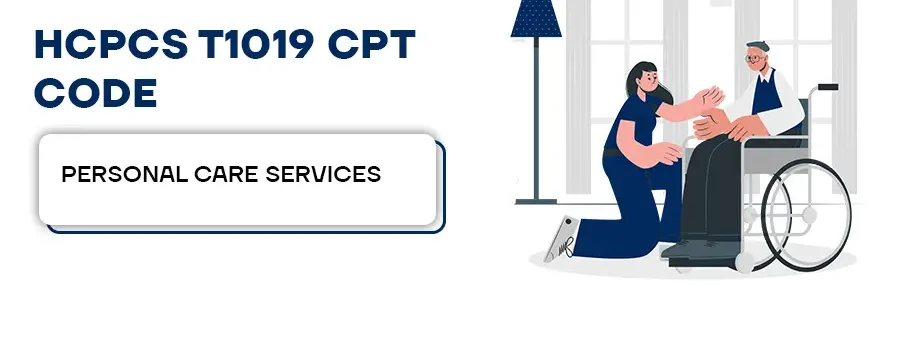
For individuals who prefer to receive care at home, personal-care services are often delivered by home health aides or personal-care aides. These professionals provide hands-on assistance with activities of daily living (ADLs) such as bathing, dressing, and meal preparation. They may also help with light housekeeping, medication reminders, and companionship.
Personal care aides often work with a team of healthcare professionals, including nurses and physical therapists, to ensure that the individual’s needs are met. Icon Billing LLC partners with home healthcare agencies to handle the billing for personal-care services, ensuring that healthcare providers are reimbursed for the services they provide to patients.
Tips for Effective Personal Care
While personal-care is essential for health and well-being, it is important to follow a few guidelines to ensure its effectiveness. Here are some tips to consider:
-
Create a Routine: Establish a daily personal-care routine that includes activities like brushing teeth, washing hands, and taking medications. A consistent routine promotes better health and reduces forgetfulness.
-
Stay Active: Regular physical activity, such as walking or stretching, can enhance overall health and mobility.
-
Eat a Balanced Diet: Nutrition plays a vital role in personal-care. Make sure to consume a well-rounded diet with plenty of fruits, vegetables, and whole grains.
-
Stay Hydrated: Drinking enough water throughout the day is important for hydration and overall well-being.
-
Seek Support: Don’t hesitate to ask for help when needed. Family members, caregivers, or healthcare professionals can provide valuable assistance in maintaining proper personal-care routines.
Conclusion: The Lifelong Impact of Personal Care
Personal care is not just about maintaining good hygiene or looking after oneself; it is about fostering a healthy, balanced lifestyle that enhances well-being. From improving physical health to boosting emotional well-being, personal-care has a lasting impact on one’s quality of life. For families, caregivers, and healthcare providers, ensuring that personal-care routines are followed is an investment in the health and happiness of loved ones.
Icon Billing LLC is here to support both healthcare providers and those in need of personal-care services, ensuring that the financial aspects of care are handled with precision and efficiency. Through our expert medical billing services, we make it easier for healthcare providers to focus on what matters most – delivering quality care.
At Icon Billing LLC, we know that personal-care is essential for everyone’s health, and we are committed to helping make it accessible and affordable for all.