Introduction: Why Medicare Part D Matters
Medicare Part D is a vital component of healthcare coverage for millions of Americans. With rising prescription drug costs, understanding Medicare Part D can protect your health while saving your finances. Whether you’re new to Medicare or exploring options to optimize your coverage, knowing the ins and outs of Medicare Part D can help you make informed decisions.
In this comprehensive guide, we’ll explore eligibility, enrollment, coverage details, costs, and strategies to maximize benefits. By the end, you’ll have a complete roadmap to navigate Medicare Part D confidently.
What Is Medicare Part D?
Medicare Part D is the prescription drug coverage component of Medicare, designed to help beneficiaries pay for medications. Administered by private insurance companies approved by Medicare, it covers both brand-name and generic drugs.
Key Features of Medicare Part D:
- Prescription Coverage: Helps reduce out-of-pocket costs for medications.
- Annual Enrollment Period: Specific periods allow you to join, switch, or leave a plan.
- Formulary: A list of covered drugs, which varies by plan but must meet federal guidelines.
Understanding these basics ensures you select a Medicare Part D plan that meets your healthcare needs.
Who Is Eligible for Medicare Part D?
Eligibility for Medicare Part D depends on your Medicare enrollment:
- Must be enrolled in Medicare Part A or Part B
- U.S. citizens or permanent residents
- Must not already have creditable prescription drug coverage from another source
Knowing your eligibility early can prevent gaps in coverage and unexpected medication costs.
How to Enroll in Medicare Part D
Enrollment in Medicare Part D can be done during several key periods:
- Initial Enrollment Period (IEP): When you first become eligible for Medicare.
- Annual Enrollment Period (AEP): October 15 – December 7 each year.
- Special Enrollment Periods (SEP): For life events like moving, losing other coverage, or qualifying for Medicaid.
Proper enrollment ensures continuous coverage and avoids penalties.
Understanding Medicare Part D Costs
While Medicare Part D helps with prescription costs, it’s important to understand its cost structure:
- Monthly Premiums: Paid to the plan you choose.
- Deductibles: Amount you pay before coverage begins.
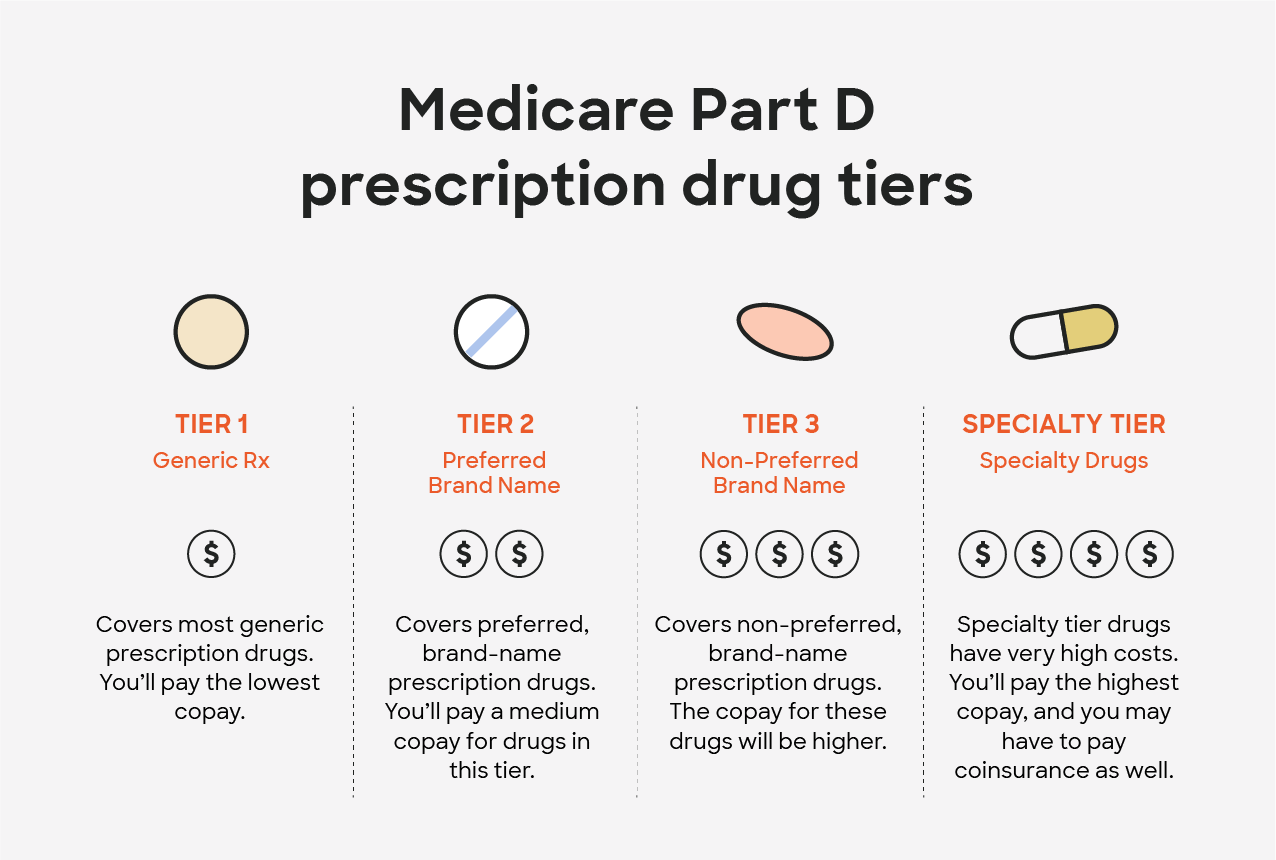
- Copayments and Coinsurance: Shared costs when filling prescriptions.
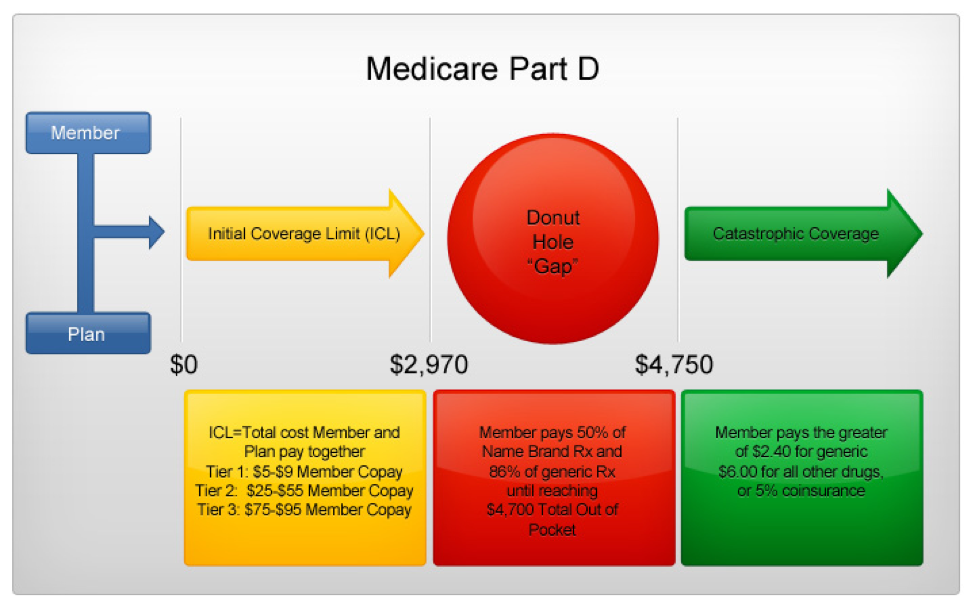
- Coverage Gap (Donut Hole): Period where beneficiaries pay higher costs for drugs until reaching catastrophic coverage.
Being aware of these costs allows beneficiaries to budget effectively and select the plan that offers the best value.
Types of Medicare Part D Plans
There are several types of Medicare Part D plans to suit different needs:
- Stand-Alone Prescription Drug Plans (PDPs): Purchased separately if you have Original Medicare.
- Medicare Advantage Plans (MA-PDs): Combine Part A, Part B, and Part D coverage under one plan.
- Employer or Union Plans: Sometimes offer creditable coverage that meets or exceeds Part D standards.
Selecting the right plan can significantly affect out-of-pocket costs and medication access.
Benefits of Enrolling in Medicare Part-D
Enrolling in Medicare Part-D provides multiple benefits:
- Reduces prescription drug costs
- Ensures access to necessary medications
- Protects against unexpected high costs in case of chronic conditions
- Provides peace of mind and financial security
By enrolling in Medicare Part-D, beneficiaries can avoid financial stress while maintaining optimal healthcare.
Common Mistakes to Avoid with Medicare Part-D
Many beneficiaries face challenges due to common pitfalls:
- Delaying enrollment and facing penalties
- Choosing a plan without reviewing the formulary
- Ignoring changes in plan benefits each year
- Failing to compare costs across different plans
Avoiding these mistakes ensures that your Medicare Part-D coverage is both cost-effective and comprehensive.
How to Maximize Your Medicare Part-D Coverage
Here are some expert strategies:
- Review Formulary Annually: Ensure your medications are covered.
- Consider Generic Alternatives: They’re often cheaper and equally effective.
- Use Mail-Order Services: Convenient and may reduce costs.
- Work With Professionals: Medicare counselors or billing experts can guide you.
These tips help beneficiaries fully utilize their Medicare Part-D plan and reduce unnecessary expenses.
FAQs About Medicare Part-D
Can I change my Medicare Part D plan anytime?
No, changes are allowed during the Annual Enrollment Period or specific Special Enrollment Periods.
What happens if I miss enrolling in Medicare Part-D?
You may face late enrollment penalties unless you have creditable coverage from another source.
Does Medicare Part-D cover all medications?
No, coverage varies by plan, and each plan has its own formulary.
Are there income-based subsidies for Medicare Part-D?
Yes, low-income beneficiaries may qualify for Extra Help to reduce costs.
Can I switch from Original Medicare to a Medicare Advantage plan with Part D?
Yes, during enrollment periods, you can switch plans if it better meets your needs.
Does Medicare Part-D cover vaccines?
Typically, vaccines related to prescriptions may be covered, but standard preventive vaccines are usually under Part B.
Conclusion
Medicare Part-D is a crucial program that provides prescription drug coverage and protects beneficiaries from high medication costs. Understanding eligibility, enrollment, costs, plan types, and common pitfalls is key to making the most of your Medicare Part-D coverage. By staying informed and proactive, you can secure the right plan for your healthcare needs and financial peace of mind.
Whether you’re enrolling for the first time or reviewing your current plan, Medicare Part-D ensures access to essential medications while offering cost-saving opportunities and protection against financial hardship.