7 Devastating CPT 00170 Billing Mistakes That Destroy Oral Surgery Anesthesia Revenue – Ultimate Fix Guide
CPT 00170 is one of the most frequently billed anesthesia codes in oral and maxillofacial surgery. It describes anesthesia for intraoral procedures, including biopsy, not otherwise specified. From pediatric dental restorations under general anesthesia to complex extractions and excision of oral lesions, CPT 00170 captures the anesthesia service that makes these procedures possible. But CPT 00170 is also one of the most error-prone anesthesia codes in medical billing. A single mistake—a missing modifier, an incorrect time unit, a bundling error, or a documentation gap—can trigger a denial, delay payment, or invite an audit that puts the entire anesthesia practice under scrutiny. At Icon Billing LLC, we have seen oral surgery and anesthesia practices lose substantial revenue because of preventable CPT 00170 errors, and we have helped them recover. This comprehensive guide exposes seven devastating CPT 00170 billing mistakes and shows you exactly how to avoid them.
This guide is written for anesthesiologists, certified registered nurse anesthetists, oral and maxillofacial surgeons, practice managers, and billing professionals who support anesthesia services. You will learn how CPT 00170 is structured, how anesthesia payment methodology differs from standard fee-for-service billing, how to apply the correct modifiers, how to document time and medical necessity, and how to build a coding workflow that produces clean claims. Whether you are new to CPT 00170 billing or looking to tighten an existing process, these seven mistakes are the ones that cause the most revenue loss. Let’s dive into the details and transform your CPT 00170 billing from a vulnerability into a strength.
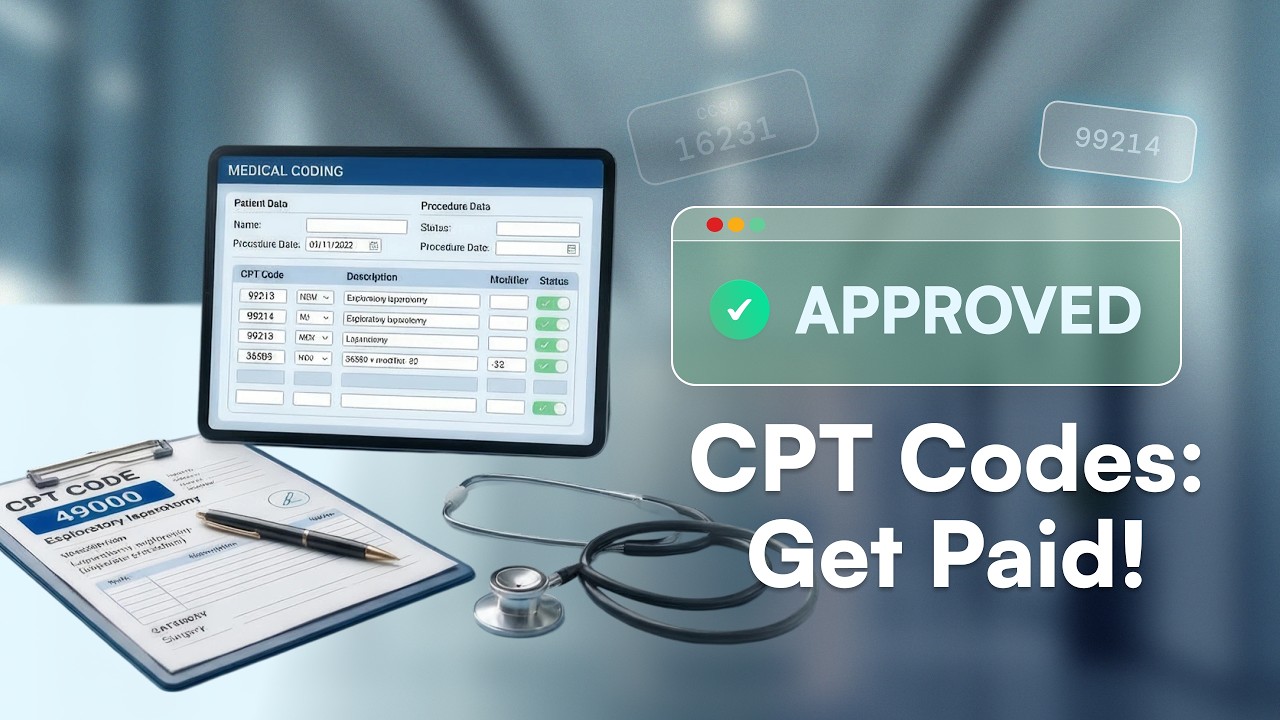
What Is CPT 00170 and Why Does It Matter?
CPT 00170 is the Current Procedural Terminology code for “Anesthesia for intraoral procedures, including biopsy; not otherwise specified.” It is used when anesthesia is provided for a procedure performed inside the oral cavity that does not have a more specific anesthesia code. CPT 00170 covers general anesthesia and monitored anesthesia care for dental extractions under general anesthesia, oral biopsies, excision of oral lesions, and other miscellaneous intraoral surgeries.
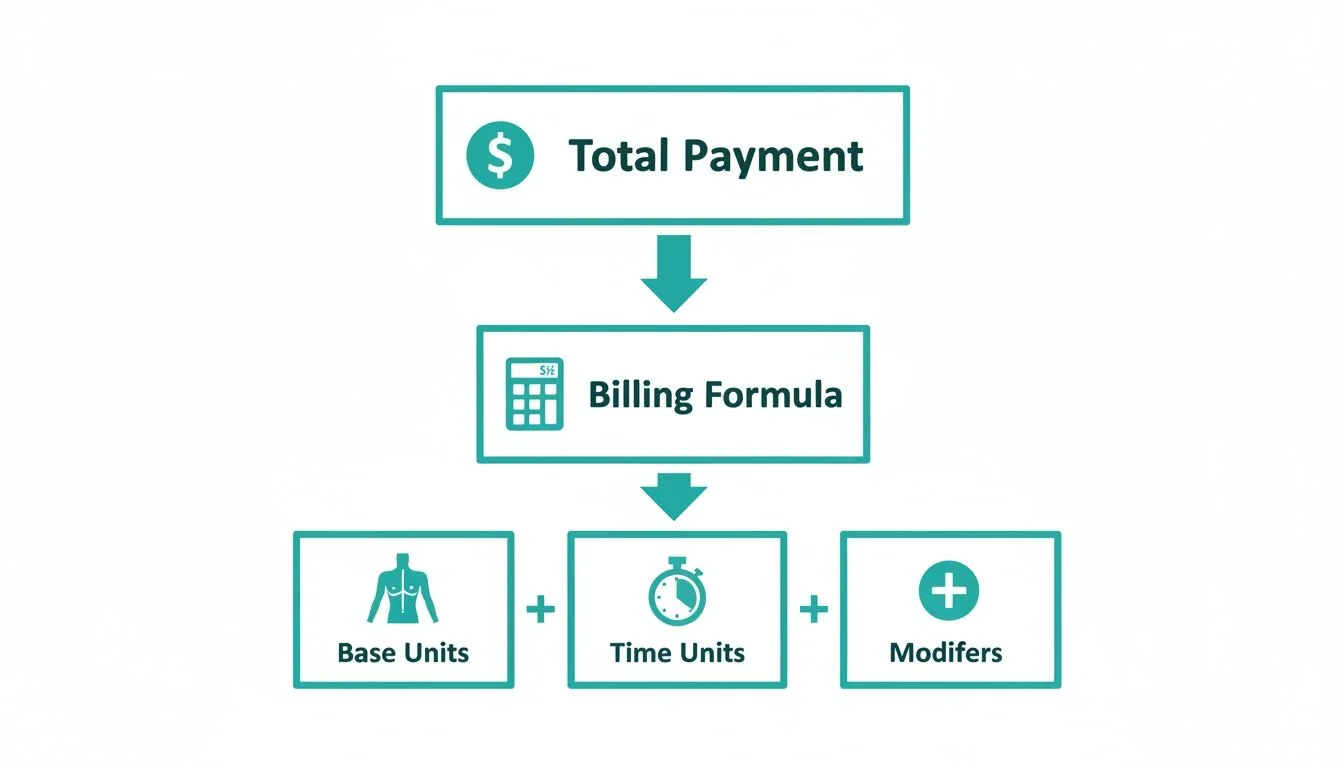
CPT 00170 matters because anesthesia billing does not follow the standard physician fee schedule. Anesthesia codes are paid using a formula: base units plus time units, multiplied by an anesthesia conversion factor. CPT 00170 carries five base units, and time is counted in 15-minute increments. The CPT 00170 claim must also include the correct provider modifiers to indicate who administered or medically directed the anesthesia. A single error in CPT 00170 coding or documentation can result in denial, underpayment, or audit exposure. For practices that provide anesthesia for oral surgery, CPT 00170 accuracy is non-negotiable.
Devastating Mistake #1: Using CPT 00170 When a More Specific Code Exists
The most common CPT 00170 mistake is using it when a more specific intraoral anesthesia code should be billed. CPT 00170 is a “not otherwise specified” code. It is appropriate only when no more specific code fits the procedure. The anesthesia code family for intraoral procedures includes CPT 00172 for repair of cleft palate, CPT 00174 for excision of retropharyngeal tumor, and CPT 00176 for radical surgery. Using CPT 00170 for a procedure that has a dedicated code is a coding error that can trigger denials or downcoding.
The site of the surgery determines the anesthesia code, not the specialty of the surgeon. An oral surgeon’s sinus lift is coded with a different anesthesia code, and a mandible fracture is coded with another. CPT 00170 should be reserved for intraoral procedures that genuinely lack a more specific code. Icon Billing LLC’s anesthesia coding specialists review the operative report and the procedure site before assigning CPT 00170. We ensure that every claim uses the most specific anesthesia code available, reducing denials and protecting reimbursement.
Devastating Mistake #2: Failing to Apply the Correct Anesthesia Provider Modifiers
CPT 00170 requires provider modifiers that indicate who administered or medically directed the anesthesia. Using the wrong modifier—or omitting it entirely—is a devastating CPT 00170 error. The most common modifiers include AA for an anesthesiologist who personally performed the case, QK for medical direction of two to four concurrent cases, QX for a CRNA under medical direction, QY for medical direction of one CRNA, and QZ for a CRNA without medical direction. Each modifier changes who is paid and how much.
A missing or incorrect CPT 00170 modifier can cause the claim to deny or pay at the wrong rate. For example, if a CRNA performed the case without medical direction, QZ is appropriate. If an anesthesiologist medically directed one CRNA, QY applies. Icon Billing LLC reviews every CPT 00170 claim for correct modifier application. We train anesthesia providers and billing staff on the modifier rules and cross-check modifiers against the documentation. When CPT 00170 modifiers are correct, claims pay accurately the first time.
Devastating Mistake #3: Miscalculating Anesthesia Time Units for CPT 00170
CPT 00170 payment depends on accurate time reporting. Anesthesia time starts when the provider begins preparing the patient for induction and ends when the patient is handed over to post-anesthesia care. Medicare counts one unit per 15 minutes and pays fractions, so 47 minutes equals 3.13 units, not 4. A devastating CPT 00170 mistake is rounding time incorrectly, omitting time, or failing to document start and stop times clearly.
Anesthesia time is reported on the claim in minutes, not units. If the time is miscalculated or undocumented, the CPT 00170 claim may be denied or underpaid. Icon Billing LLC helps practices implement anesthesia time documentation standards that capture start and stop times, breaks, and handoff to recovery. We review CPT 00170 time calculations before submission, ensuring that every minute is accurately reported and every unit is appropriately billed.
Devastating Mistake #4: Ignoring NCCI Bundling Edits with CPT 00170
CPT 00170 is subject to National Correct Coding Initiative (NCCI) edits that determine which services can be billed together. A devastating CPT 00170 mistake is unbundling services that should be included in the anesthesia code or billing CPT 00170 with procedure codes that are bundled into it. For example, CPT 00170 is bundled into CPT 40490 per NCCI with a modifier indicator of 0, meaning the edit cannot be bypassed under any circumstance. Billing both codes will result in a denial.
CPT 00170 also has bundling relationships with other anesthesia-related codes, including standard preparation and monitoring services. Before submitting a CPT 00170 claim with any additional code, review the NCCI edits and the payer’s policy. Icon Billing LLC’s pre-bill scrub checks CPT 00170 bundling relationships and flags potential conflicts. We ensure that unbundling errors do not trigger denials or compliance risk.
Devastating Mistake #5: Failing to Establish Medical Necessity for CPT 00170
Payers require medical necessity documentation for CPT 00170. A devastating mistake is billing CPT 00170 for routine cases where anesthesia is not medically necessary, or failing to document the clinical reason why general anesthesia or monitored anesthesia care was required. Aetna and other payers have specific criteria: pediatric complexity, physical or intellectual conditions that make local anesthesia ineffective, extreme behavioral factors, local anesthesia failure, extensive trauma, or bony impacted wisdom teeth. Without documentation that satisfies at least one criterion, the CPT 00170 claim may be denied as not medically necessary.
The solution is to document the qualifying circumstance clearly in the anesthesia record. Was the patient a young child requiring extensive restorations? Was there an intellectual disability, cerebral palsy, or cardiac condition that made local anesthesia unsafe? Was the patient severely uncooperative or fearful? Was local anesthesia ineffective due to infection or anatomy? Icon Billing LLC helps practices build CPT 00170 documentation templates that capture the medical necessity criteria payers expect. When the CPT 00170 claim is supported by clear documentation, denials drop.
Devastating Mistake #6: Skipping Prior Authorization for CPT 00170
Many payers require prior authorization for CPT 00170, especially for pediatric patients and certain dental or oral surgery cases. A devastating CPT 00170 mistake is providing anesthesia before authorization is obtained, or failing to verify that the authorization matches the procedure and the patient. Some payers require CPT 00170 with specific modifiers—such as U3 for Texas Medicaid—and prior authorization for patients under a certain age.
The solution is proactive authorization management. Before scheduling a case that will use CPT 00170, verify the payer’s prior authorization requirements and obtain authorization when needed. Document the authorization number and ensure it matches the CPT 00170 claim. Icon Billing LLC manages prior authorization for anesthesia claims, including CPT 00170, ensuring that services are approved before they are provided. We prevent the denials and lost revenue that occur when authorization is missing.
Devastating Mistake #7: Failing to Audit and Educate Around CPT 00170
The final CPT-00170 mistake is treating it as a simple code that does not require auditing or education. CPT-00170 has specific modifier, time, bundling, documentation, and authorization requirements. Without regular audits, errors repeat. A practice may consistently use the wrong modifier or consistently miscalculate time, and no one discovers the pattern until denials accumulate.
The solution is regular CPT-00170 audits and education. Audit a sample of CPT-00170 claims each month, compare the claim to the documentation, and track error patterns. Provide feedback to providers and billers. Icon Billing LLC performs CPT-00170 audits as part of our anesthesia billing services. We identify recurring errors, correct them, and train your team. When CPT-00170 is audited and educated, accuracy improves and revenue stabilizes.
Building a Winning CPT-00170 Billing Workflow
Here is the proactive CPT-00170 workflow Icon Billing LLC recommends:
-
Confirm the procedure site and code. Use CPT-00170 only when no more specific intraoral anesthesia code applies.
-
Apply the correct provider modifier. AA, QK, QX, QY, or QZ must match the anesthesia arrangement.
-
Document time accurately. Record start and stop times and report minutes, not units, on the claim.
-
Check NCCI edits. Ensure CPT-00170 is not bundled into another procedure or billed with a code that cannot be unbundled.
-
Document medical necessity. Capture the qualifying circumstance that justifies anesthesia for the intraoral procedure.
-
Obtain prior authorization. Verify payer requirements before scheduling CPT-00170 cases.
-
Perform pre-bill audits. Review CPT-00170 claims before submission.
-
Provide ongoing education. Keep providers and billers current on CPT-00170 changes.
This workflow transforms CPT-00170 billing from a source of denials into a reliable revenue driver. Icon Billing LLC executes it daily for anesthesia and oral surgery practices.
How Icon Billing LLC Transforms CPT-00170 Billing Success
When you partner with Icon Billing LLC, you gain a team that understands CPT-00170 and anesthesia revenue cycle management. Our services include:
-
CPT-00170 coding audits to identify errors and missed revenue.
-
Pre-bill claim scrubbing that catches CPT-00170 mistakes before submission.
-
Denial management that recovers revenue from incorrectly coded CPT-00170 claims.
-
Provider education that improves documentation and CPT-00170 accuracy.
-
Payer policy tracking that keeps CPT-00170 billing current.
-
Prior authorization management for CPT-00170 cases.
-
Compliance support that protects against audit risk.
Our goal is to make CPT-00170 a strength of your practice, not a source of anxiety. We have helped anesthesia and oral surgery practices improve clean claim rates, reduce denials, and recover lost revenue through disciplined CPT-00170 management.
Real-World Consequences of CPT-00170 Errors
Consider these composite examples based on cases we have encountered:
Scenario 1: An anesthesia practice billed CPT-00170 without the QZ modifier for CRNA-only cases, causing a 20% denial rate. Icon Billing LLC added the correct modifiers and resubmitted the claims, recovering $38,000 in denied revenue.
Scenario 2: An oral surgery practice miscalculated anesthesia time for CPT-00170, rounding 47 minutes to 4 units instead of 3.13. Claims were underpaid. Icon Billing LLC implemented time documentation standards and recovered $22,000 in underpayments.
Scenario 3: A practice billed CPT-00170 for pediatric dental cases without documenting the medical necessity criterion. A payer denied the claims as not medically necessary. Icon Billing LLC built a CPT-00170 documentation template and reduced denials to under 4%.
In each case, disciplined CPT-00170 management would have prevented the loss.
Frequently Asked Questions About CPT-00170
Q: What is CPT-00170 used for?
A: CPT-00170 is used for anesthesia for intraoral procedures, including biopsy, not otherwise specified. It covers general anesthesia and monitored anesthesia care for dental extractions, oral biopsies, excision of oral lesions, and other intraoral surgeries.
Q: How is CPT-00170 paid?
A: CPT-00170 is paid using base units plus time units, multiplied by an anesthesia conversion factor. It carries five base units, and time is counted in 15-minute increments.
Q: What modifiers are used with CPT-00170?
A: Common modifiers include AA, QK, QX, QY, and QZ to indicate who provided or medically directed the anesthesia.
Q: Does CPT-00170 require prior authorization?
A: Many payers require prior authorization for CPT-00170, especially for pediatric patients. Verify payer requirements before scheduling.
Q: How can Icon Billing LLC help with CPT-00170 billing?
A: We provide CPT-00170 audits, pre-bill scrubbing, denial management, provider education, prior authorization, and payer policy support.
Proactive Steps You Can Take Today
-
Audit recent CPT-00170 claims for modifier errors, time miscalculations, and bundling issues.
-
Review documentation templates to capture time and medical necessity.
-
Verify payer rules for CPT-00170 prior authorization and coverage.
-
Contact Icon Billing LLC for a comprehensive CPT-00170 billing review.
Conclusion: Master CPT-00170 for Maximum Anesthesia Reimbursement
The seven devastating mistakes—using the wrong code, missing provider modifiers, miscalculating time, ignoring NCCI edits, failing to document medical necessity, skipping prior authorization, and neglecting audits—are all avoidable. CPT-00170 is a complex anesthesia code, but it can be mastered. With the right training, processes, and partner, your practice can submit clean, accurate, compliant CPT-00170 claims every time.
Icon Billing LLC is dedicated to making CPT-00170 billing a strength of your practice. Contact us today to learn how our CPT-00170 management service can improve your clean claim rates, reduce denials, and maximize reimbursement. Your patients deserve excellent anesthesia care—and your practice deserves to be paid for that care. With the right CPT-00170 strategy, you can have both.