10 Powerful DHHS Insights to Improve Healthcare Compliance and Avoid Costly Billing Mistakes
Healthcare organizations operate in a highly regulated environment where compliance, patient privacy, and accurate billing are essential for long-term success. One of the most influential federal agencies overseeing these areas is the DHHS, formally known as the U.S. Department of Health and Human Services. Understanding the role of DHHS helps healthcare providers, medical billing companies, hospitals, and physician practices maintain compliance while improving operational efficiency and reducing financial risk.
The DHHS oversees numerous programs and agencies that directly impact healthcare providers, including Medicare, Medicaid, HIPAA enforcement, public health initiatives, healthcare quality standards, and fraud prevention efforts. Whether you manage a private practice, specialty clinic, outpatient center, or hospital, staying informed about DHHS regulations is critical for successful revenue cycle management and regulatory compliance.
This comprehensive guide explains everything healthcare professionals need to know about DHHS, including its responsibilities, relationship to medical billing, compliance requirements, HIPAA oversight, fraud prevention initiatives, and how Icon Billing LLC helps providers navigate an increasingly complex healthcare environment.
What Is DHHS?
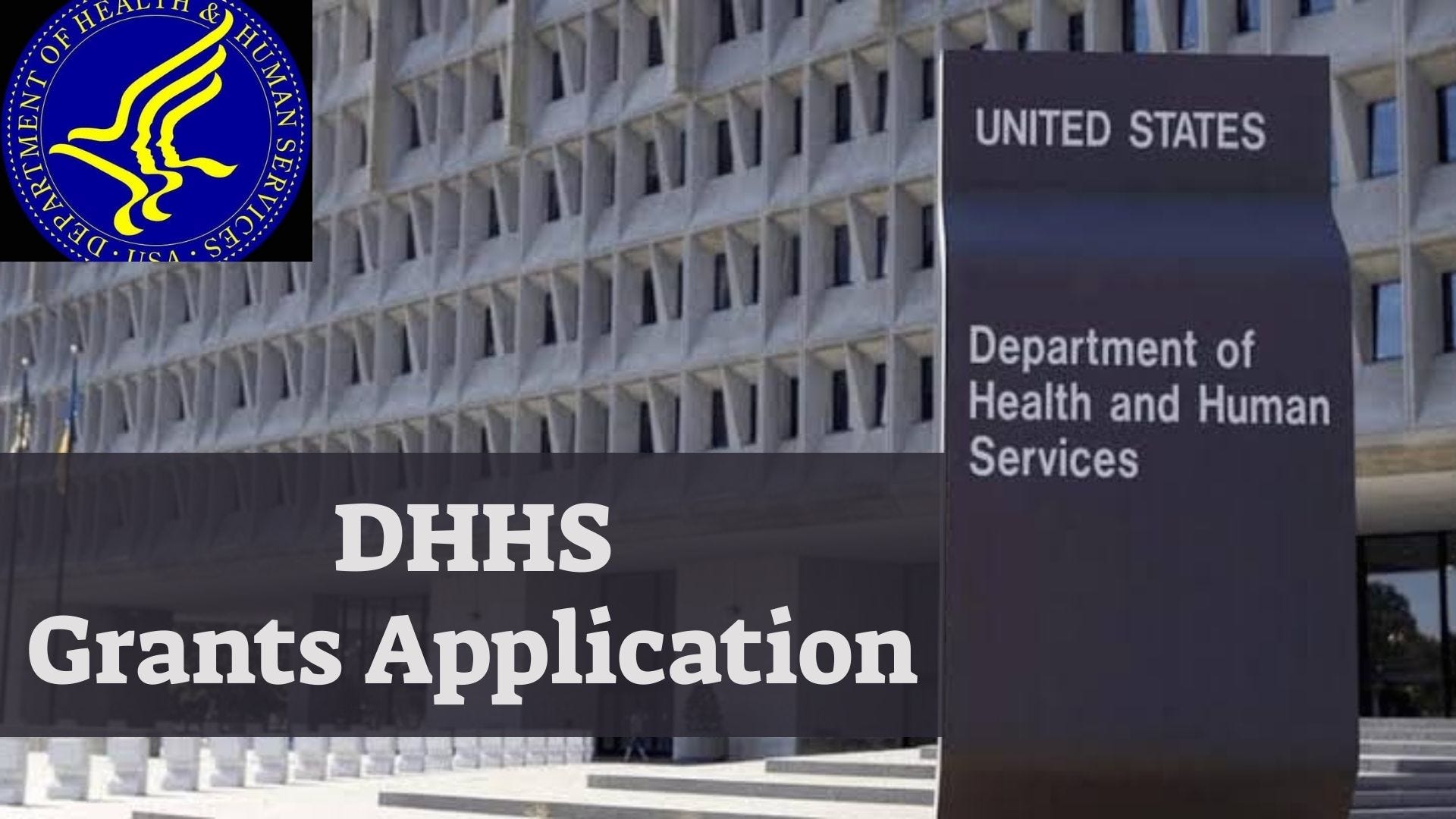
DHHS stands for the U.S. Department of Health and Human Services, the federal agency responsible for protecting public health, administering major healthcare programs, and developing policies that affect healthcare organizations throughout the United States.
The mission of DHHS includes:
- Improving public health
- Administering Medicare and Medicaid programs
- Supporting medical research
- Protecting patient privacy
- Promoting healthcare quality
- Enforcing healthcare regulations
- Advancing health equity
- Preventing healthcare fraud and abuse
Healthcare providers interact with DHHS directly or indirectly through various agencies and regulatory requirements.
DHHS Agencies That Affect Medical Billing
Several agencies operating under DHHS have a direct impact on medical billing and coding.
Centers for Medicare & Medicaid Services (CMS)
CMS establishes billing policies, reimbursement rules, quality programs, and coverage guidelines for Medicare and Medicaid.
Office for Civil Rights (OCR)
OCR enforces HIPAA Privacy, Security, and Breach Notification Rules that protect patient health information.
Office of Inspector General (OIG)
The OIG investigates healthcare fraud, waste, abuse, and compliance violations while publishing compliance guidance for providers.
Centers for Disease Control and Prevention (CDC)
Although primarily focused on public health, CDC guidance can influence documentation and reporting requirements during public health emergencies.
Understanding how these agencies function helps healthcare organizations remain compliant.
Why DHHS Matters for Medical Billing
The work of DHHS affects nearly every aspect of revenue cycle management.
Benefits of understanding DHHS requirements include:
- Improved regulatory compliance
- More accurate claims submission
- Better documentation standards
- Stronger HIPAA compliance
- Reduced audit risk
- Fewer claim denials
- Improved reimbursement accuracy
- Enhanced patient trust
Remaining informed helps organizations adapt to evolving healthcare regulations.
HIPAA and DHHS
One of the most recognized responsibilities of DHHS is enforcing HIPAA regulations through the Office for Civil Rights.
Healthcare organizations should:
- Protect patient information
- Secure electronic health records
- Train employees regularly
- Conduct risk assessments
- Report breaches when required
- Implement administrative, physical, and technical safeguards
Strong HIPAA compliance supports both patient privacy and organizational integrity.
Common Compliance Challenges
Healthcare organizations frequently encounter challenges such as:
- Coding inaccuracies
- Incomplete documentation
- HIPAA violations
- Medicare billing errors
- Medicaid claim denials
- Inadequate staff training
- Regulatory updates
- Audit preparedness
Developing comprehensive compliance programs helps reduce these risks.
Best Practices for Staying DHHS Compliant
Healthcare providers can strengthen compliance by:
- Monitoring regulatory updates
- Conducting internal audits
- Improving clinical documentation
- Training billing and coding staff
- Implementing secure technology
- Reviewing payer requirements
- Maintaining HIPAA safeguards
- Partnering with experienced billing professionals
These strategies improve both operational efficiency and financial performance.
How Icon Billing LLC Supports Healthcare Providers
At Icon Billing LLC, we help healthcare providers navigate complex billing and compliance requirements through professional medical billing, coding support, credentialing, denial management, and revenue cycle management services.
Our experienced team works closely with physician practices, specialty clinics, and healthcare organizations to improve documentation, reduce claim denials, strengthen compliance, and maximize reimbursement while supporting adherence to applicable regulations influenced by DHHS.
Frequently Asked Questions
What does DHHS stand for?
DHHS stands for the U.S. Department of Health and Human Services.
How does DH-HS affect medical billing?
DH-HS oversees agencies that establish healthcare regulations, Medicare policies, HIPAA enforcement, and compliance standards that influence billing and coding.
Does DH-HS enforce HIPAA?
Yes. The Office for Civil Rights, part of DH-HS, enforces HIPAA Privacy, Security, and Breach Notification Rules.
Why is compliance important?
Compliance reduces legal risks, improves reimbursement accuracy, protects patient information, and strengthens operational integrity.
How often do healthcare regulations change?
Healthcare regulations are updated regularly, making continuous education and compliance monitoring essential.
How can Icon Billing LLC help?
Icon Billing LLC provides medical billing, coding, credentialing, denial management, and revenue cycle management services that help providers improve compliance, optimize reimbursement, and streamline billing operations.
Conclusion
Understanding the role of DH-HS is essential for healthcare organizations seeking to improve compliance, strengthen patient privacy protections, and optimize revenue cycle management. By following regulatory guidance, maintaining accurate documentation, and implementing strong billing practices, providers can reduce risk while improving financial performance.
Partnering with Icon Billing LLC gives healthcare organizations access to experienced billing professionals dedicated to improving coding accuracy, supporting compliance efforts, and helping practices focus on delivering exceptional patient care.