15 Powerful Dentist Billing Strategies: Avoid Costly Claim Errors and Maximize Practice Revenue
Introduction
Running a successful dental practice requires much more than providing exceptional patient care. Behind every appointment is a complex administrative process involving insurance verification, treatment documentation, procedure coding, claim submission, payment posting, patient billing, and denial management. At the center of this financial workflow is dentist billing, a critical function that directly impacts cash flow, patient satisfaction, and the long-term profitability of a dental practice.
Modern dentist billing has become increasingly complex due to changing insurance policies, evolving coding guidelines, varying payer requirements, and stricter documentation standards. Even minor billing errors can lead to delayed reimbursements, denied claims, increased accounts receivable, and unnecessary administrative expenses. Dental practices that invest in efficient billing processes often experience faster payments, fewer denials, improved compliance, and stronger financial performance.
Effective dentist billing involves far more than submitting insurance claims. It requires accurate CDT coding, eligibility verification, treatment plan documentation, coordination of benefits, claim tracking, payment reconciliation, patient communication, and continuous compliance with insurance regulations. Every step in the billing cycle plays a role in ensuring providers receive timely reimbursement for the services they deliver.
At Icon Billing LLC, we specialize in revenue cycle management, medical and dental billing support, insurance verification, coding assistance, denial management, credentialing, and compliance consulting. Our goal is to help dental practices reduce administrative burdens, improve reimbursement rates, and optimize financial performance. In this comprehensive guide, you’ll learn everything about dentist billing, including best practices, common challenges, insurance requirements, compliance standards, and proven strategies for maximizing collections while delivering outstanding patient care.
What Is Dentist Billing?
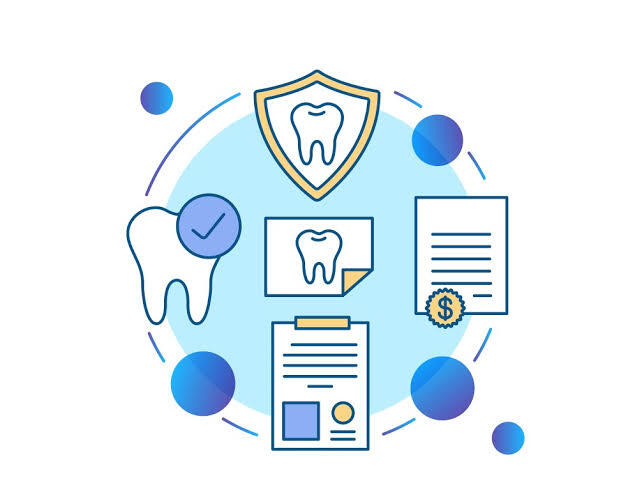
Dentist billing is the process of submitting insurance claims, collecting patient payments, and managing financial transactions related to dental services.
The dentist billing process typically includes:
- Patient registration
- Insurance verification
- Treatment documentation
- CDT coding
- Claim submission
- Payment posting
- Denial management
- Patient billing
- Accounts receivable follow-up
- Financial reporting
Accurate dentist billing ensures dental practices receive appropriate reimbursement while maintaining compliance with insurance requirements.
Why Dentist Billing Is Important
An efficient dentist billing system supports both operational and financial success.
Faster Reimbursements
Clean claims process more quickly.
Reduced Claim Denials
Accurate coding minimizes payer rejections.
Improved Cash Flow
Timely payments strengthen financial stability.
Better Patient Experience
Clear billing improves trust and transparency.
Increased Practice Profitability
Efficient collections support long-term growth.
Strong billing practices contribute directly to practice success.
Key Components of Dentist Billing
Successful dentist billing involves several interconnected processes.
Insurance Verification
Confirm patient eligibility before treatment.
Treatment Documentation
Maintain complete clinical records.
Procedure Coding
Assign accurate CDT codes.
Claim Submission
File complete and timely insurance claims.
Payment Collection
Collect insurance and patient balances efficiently.
Every component contributes to accurate reimbursement.
Insurance Verification in Dentist Billing
Insurance verification is one of the most important steps in dentist billing.
Verify:
Patient Eligibility
Confirm active coverage.
Covered Benefits
Review treatment eligibility.
Annual Maximums
Monitor benefit limits.
Deductibles
Determine patient responsibility.
Waiting Periods
Identify treatment restrictions.
Proper verification reduces billing surprises and denied claims.
CDT Coding and Dentist Billing
Accurate coding is essential for effective dentist billing.
Dental coders should ensure:
Correct CDT Codes
Reflect performed procedures.
Updated Coding Standards
Follow annual revisions.
Accurate Documentation
Support reported procedures.
Proper Narrative Descriptions
Provide additional clinical information when needed.
Correct Tooth Numbers
Identify treated areas accurately.
Coding accuracy improves reimbursement and compliance.
Documentation Requirements
Complete documentation supports every dentist billing claim.
Clinical records should include:
Patient Examination
Initial findings.
Diagnosis
Clinical condition.
Treatment Plan
Recommended procedures.
Procedure Notes
Services performed.
Radiographs and Images
Support medical necessity when required.
Strong documentation reduces audit risks.
Common Dentist Billing Challenges
Dental practices frequently encounter billing obstacles.
Common dentist billing challenges include:
Claim Denials
Incorrect coding or documentation.
Eligibility Errors
Coverage verification mistakes.
Missing Attachments
Incomplete claim submissions.
Delayed Payments
Processing issues.
Patient Balance Collection
Outstanding financial responsibilities.
Addressing these issues improves collections.
Denial Management in Dentist Billing
Effective denial management strengthens dentist-billing performance.
Key steps include:
Identify Denial Reasons
Review payer explanations.
Correct Billing Errors
Update claims accurately.
Submit Appeals
Provide supporting documentation.
Track Trends
Identify recurring problems.
Improve Internal Processes
Prevent future denials.
Continuous monitoring improves reimbursement rates.
Compliance and Dentist Billing
Maintaining compliance is essential in dentist-billing.
Important compliance areas include:
Accurate Billing
Submit truthful claims.
Proper Documentation
Support every billed procedure.
Patient Privacy
Protect health information.
Insurance Regulations
Follow payer requirements.
Internal Audits
Monitor billing accuracy.
Compliance protects practices from financial penalties.
Best Practices for Dentist Billing
Dental practices should adopt proven dentist-billing strategies.
Train Billing Staff
Maintain current industry knowledge.
Verify Insurance Early
Reduce claim delays.
Submit Claims Promptly
Improve payment timelines.
Monitor Accounts Receivable
Accelerate collections.
Review Denials Regularly
Identify improvement opportunities.
Use Billing Software
Automate repetitive tasks.
Consistent best practices improve financial performance.
Technology and Dentist Billing
Technology has transformed modern dentist-billing.
Helpful tools include:
Practice Management Software
Streamline operations.
Electronic Claims Submission
Increase efficiency.
Automated Eligibility Verification
Reduce manual work.
Revenue Cycle Analytics
Monitor financial performance.
Artificial Intelligence
Support coding accuracy.
Technology enhances billing productivity while reducing errors.
Why Outsource Dentist Billing?
Many practices choose outsourced dentist-billing services.
Benefits include:
Experienced Billing Specialists
Improve claim accuracy.
Faster Collections
Accelerate reimbursement.
Reduced Administrative Burden
Allow staff to focus on patient care.
Better Compliance
Stay current with changing regulations.
Revenue Optimization
Increase financial performance.
Professional billing support delivers measurable results.
How Icon Billing LLC Supports Dental Practices
At Icon Billing LLC, we provide comprehensive dentist billing solutions designed to help dental practices improve reimbursement, reduce claim denials, and strengthen revenue cycle performance.
Our services include:
- Dental billing support
- Insurance verification
- CDT coding assistance
- Claims submission
- Payment posting
- Accounts receivable follow-up
- Denial management
- Credentialing
- Revenue cycle management
- Compliance consulting
Our experienced billing specialists work closely with dental practices to improve operational efficiency, maintain coding accuracy, strengthen documentation, and maximize collections through proactive revenue cycle management tailored to the unique needs of dental providers.
Future Trends in Dentist Billing
The future of dentist-billing continues to evolve.
Emerging innovations include:
Artificial Intelligence
Automated coding and claim review.
Predictive Analytics
Identify denial risks.
Cloud-Based Billing Systems
Improve accessibility.
Enhanced Patient Portals
Simplify payment collection.
Automated Revenue Cycle Management
Increase efficiency.
Technology will continue improving billing accuracy and financial outcomes.
Frequently Asked Questions
What is dentist billing?
Dentist billing is the process of managing insurance claims, coding, patient payments, reimbursement, and financial reporting for dental services.
Why is dentist billing important?
It improves cash flow, reduces claim denials, increases reimbursement, and supports the financial health of a dental practice.
What codes are used in dentist billing?
Dental providers primarily use Current Dental Terminology (CDT) codes to report procedures for insurance reimbursement.
How can dental practices reduce claim denials?
Accurate coding, complete documentation, insurance verification, timely claim submission, and regular staff training significantly reduce denials.
Should dental practices outsource billing?
Many practices benefit from outsourcing because experienced billing specialists improve collections, reduce administrative work, and strengthen compliance.
Why choose Icon Billing LLC?
Icon Billing LLC provides professional dentist-billing, revenue cycle management, insurance verification, denial management, coding assistance, and compliance support that help dental practices improve profitability and operational efficiency.
Conclusion
Effective dentist-billing is essential for maintaining the financial health and long-term success of every dental practice. From insurance verification and accurate CDT coding to documentation, claim submission, payment posting, and denial management, every stage of the revenue cycle influences reimbursement, patient satisfaction, and operational efficiency. Practices that invest in strong billing processes experience fewer claim denials, faster payments, improved compliance, and healthier cash flow.
As insurance regulations and reimbursement requirements continue evolving, dental providers must remain proactive by implementing modern billing technology, training staff, conducting internal audits, and maintaining complete clinical documentation. A well-managed dentist-billing system not only supports financial stability but also allows providers to dedicate more time and attention to delivering exceptional patient care.
At Icon Billing LLC, we are committed to helping dental practices achieve billing excellence through expert revenue cycle management, insurance verification, coding support, denial management, credentialing, and compliance consulting. Our experienced professionals work as an extension of your team to optimize collections, reduce administrative burdens, improve reimbursement accuracy, and strengthen overall financial performance. With Icon Billing LLC as your trusted billing partner, your practice can confidently focus on providing outstanding dental care while we help maximize the revenue you have earned.