9 Powerful HIPAA Law Updates That Can Save Healthcare Providers From Costly Violations
The healthcare industry handles enormous amounts of sensitive patient information every day. From medical records and insurance claims to billing details and electronic health data, protecting patient privacy has become more important than ever. This is where hipaa law plays a critical role in modern healthcare operations.
Healthcare providers, medical billing companies, insurance organizations, hospitals, and clinics must comply with strict federal regulations designed to safeguard protected health information. Failing to follow hipaa law can lead to severe financial penalties, legal consequences, damaged reputations, and loss of patient trust.
As technology continues to transform healthcare systems, compliance requirements are becoming increasingly complex. Electronic medical records, telehealth services, cloud storage, cybersecurity threats, and remote billing operations have created new compliance challenges for healthcare organizations of all sizes.
For medical billing companies and healthcare providers, understanding hipaa law is not optional — it is an essential operational responsibility. Proper compliance protects patients while helping organizations avoid costly violations and audits.
In this comprehensive guide, we will explain everything you need to know about hipaa law, including privacy rules, security requirements, medical billing compliance, common violations, penalties, cybersecurity concerns, and best practices for maintaining compliance.
What Is HIPAA Law and Why Is It Important?
Hipaa law refers to the Health Insurance Portability and Accountability Act, a federal law enacted in 1996 to protect sensitive patient health information from unauthorized disclosure.
The primary goal of hipaa law is to ensure healthcare organizations maintain patient privacy while allowing the secure flow of healthcare information needed for treatment, payment, and operations.
The law applies to:
- Healthcare providers
- Medical billing companies
- Health insurance companies
- Hospitals and clinics
- Pharmacies
- Clearinghouses
- Business associates handling patient data
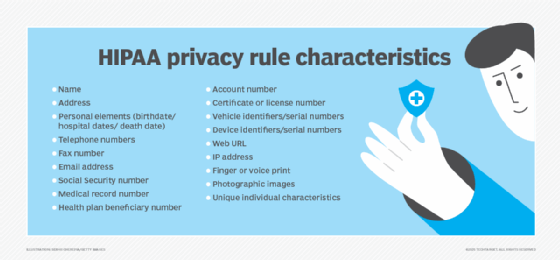
Organizations covered under hipaa law must implement safeguards to protect Protected Health Information (PHI).
PHI includes:
| Protected Information | Examples |
|---|---|
| Personal Identifiers | Name, address, phone number |
| Medical Information | Diagnoses, treatment records |
| Insurance Data | Policy numbers, claims |
| Financial Details | Billing information |
| Electronic Records | Digital health records |
As healthcare systems become more digital, hipaa law has evolved to address cybersecurity risks, electronic records management, and cloud-based healthcare technology.
Medical billing companies play a particularly important role in compliance because they routinely process patient information during claim submission, payment posting, insurance verification, and collections.
Healthcare organizations that ignore hipaa law requirements may face:
- Government investigations
- Civil penalties
- Criminal charges
- Data breach lawsuits
- Reputation damage
- Financial losses
For providers and billing companies, strong compliance procedures are essential for long-term operational success.
The Main Rules Under HIPAA Law
Several major regulations form the foundation of hipaa law compliance.
Privacy Rule
The HIPAA Privacy Rule establishes national standards for protecting patient information.
Under this rule, patients have rights to:
- Access medical records
- Request corrections
- Receive privacy notices
- Limit certain disclosures
Healthcare providers must ensure patient information is only shared when legally permitted.
Security Rule
The HIPAA Security Rule focuses on electronic protected health information (ePHI).
Organizations must implement:
- Administrative safeguards
- Technical safeguards
- Physical safeguards
Examples include:
- Password protections
- Encryption
- Access controls
- Secure servers
- Employee training
Breach Notification Rule
This section of hipaa law requires organizations to notify affected individuals and government agencies following certain data breaches.
Timely breach reporting is essential to avoid additional penalties.
Enforcement Rule
The HIPAA Enforcement Rule outlines investigation procedures and penalty structures for violations.
Regulatory agencies may conduct audits, investigate complaints, and issue fines for noncompliance.
Understanding these rules helps healthcare providers and billing organizations create effective compliance programs.
How HIPAA Law Impacts Medical Billing Companies
Medical billing companies process large volumes of sensitive patient information daily, making hipaa law compliance a top priority.
Billing companies often handle:
- Insurance claims
- Patient demographics
- Diagnosis codes
- Treatment records
- Payment data
- Eligibility verification
Because billing organizations access protected information, they are considered business associates under hipaa law.
Business associates must sign Business Associate Agreements (BAAs) with healthcare providers outlining compliance responsibilities.
Medical billing companies must maintain secure systems for:
- Claim transmission
- Data storage
- Remote employee access
- Email communication
- Electronic payment processing
One of the biggest risks involving hipaa law violations in billing environments is unauthorized access to patient information.
Common risks include:
- Weak passwords
- Unsecured devices
- Improper email usage
- Employee negligence
- Cyberattacks
- Lack of encryption
Billing companies should conduct regular compliance audits to identify vulnerabilities before they lead to violations.
Another important consideration is employee training. Staff members handling medical claims must understand patient privacy responsibilities and security procedures.
Organizations that prioritize hipaa law compliance often experience stronger client trust and reduced legal risks.
Common HIPAA Law Violations in Healthcare
Many healthcare organizations unintentionally violate hipaa law due to poor security practices or insufficient staff training.
Unauthorized Access
Employees accessing patient records without legitimate business reasons is a major compliance violation.
Lost or Stolen Devices
Unencrypted laptops, tablets, or phones containing patient information can expose organizations to severe penalties.
Improper Record Disposal
Discarding medical records without secure destruction methods violates hipaa law requirements.
Weak Password Practices
Shared passwords or weak login credentials increase cybersecurity risks.
Emailing Patient Data Incorrectly
Sending unencrypted patient information through email is a common mistake.
Failure to Conduct Risk Assessments
Healthcare organizations must regularly evaluate potential security vulnerabilities.
Delayed Breach Reporting
Failing to report breaches promptly can result in additional fines.
The healthcare industry has experienced significant increases in ransomware attacks in recent years. Cybercriminals often target healthcare providers because patient data is highly valuable.
Organizations that fail to strengthen cybersecurity protections may struggle to maintain hipaa law compliance.
HIPAA Law and Cybersecurity Protection
Cybersecurity has become one of the most critical aspects of hipaa law compliance.
Modern healthcare organizations rely heavily on:
- Electronic health records
- Cloud storage
- Telehealth platforms
- Remote work systems
- Mobile devices
- Billing software
While technology improves efficiency, it also increases security risks.
Healthcare providers and billing companies should implement multiple layers of protection, including:
Multi-Factor Authentication
MFA adds extra login security for healthcare systems.
Data Encryption
Encryption protects patient information during transmission and storage.
Network Monitoring
Continuous monitoring helps identify suspicious activity quickly.
Antivirus and Endpoint Protection
Devices should include updated cybersecurity software.
Employee Awareness Training
Human error remains one of the biggest causes of data breaches.
Secure Backup Systems
Reliable backups support recovery after ransomware attacks or system failures.
Cybersecurity incidents can create devastating operational and financial consequences for healthcare organizations.
Strong cybersecurity programs help organizations maintain compliance with hipaa law while protecting patient trust.
HIPAA Law Penalties and Financial Risks
Violating hipaa law can result in serious financial and legal consequences.
Penalty amounts vary depending on:
- Violation severity
- Level of negligence
- Number of affected individuals
- Corrective actions taken
Civil penalties may range from hundreds to millions of dollars annually.
| Violation Level | Potential Penalty |
|---|---|
| Unintentional Violations | Lower fines |
| Reasonable Cause | Moderate penalties |
| Willful Neglect | Severe fines |
| Criminal Violations | Possible imprisonment |
Healthcare organizations may also face:
- Lawsuits
- Loss of contracts
- Reputation damage
- Increased insurance costs
- Government investigations
For medical billing companies, compliance failures can result in lost clients and damaged business relationships.
Maintaining strong hipaa law compliance programs significantly reduces these risks.
Best Practices for HIPAA Law Compliance
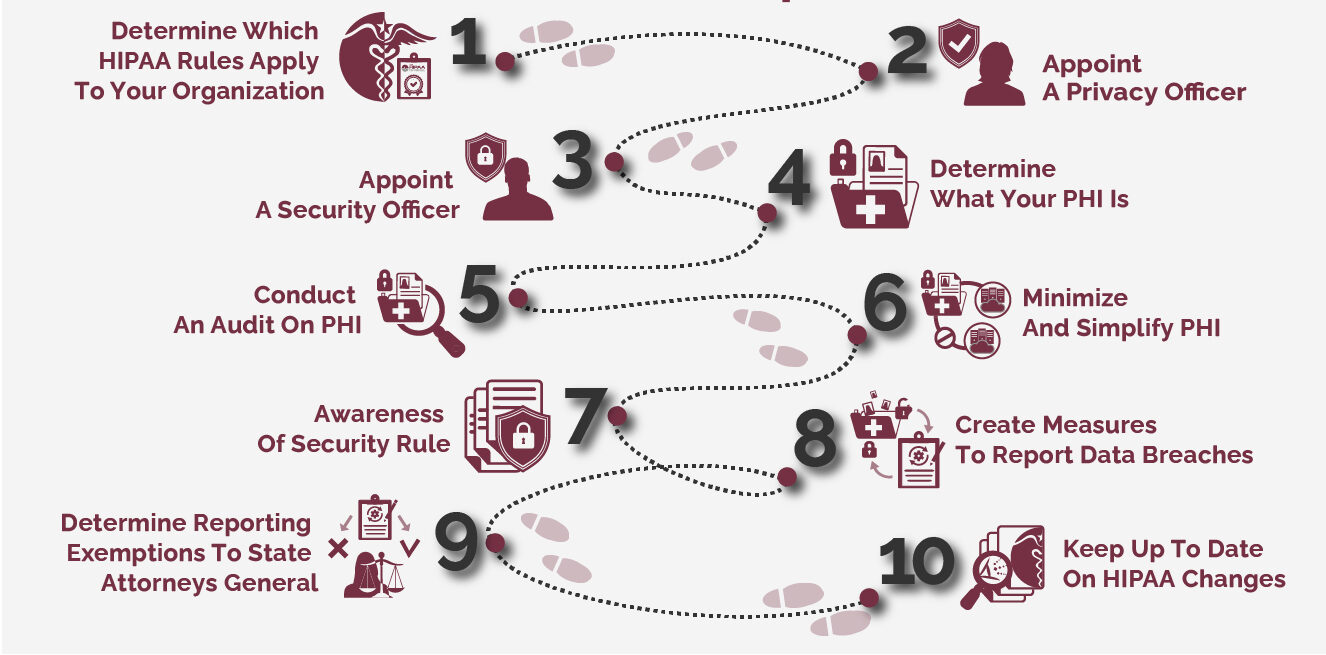
Healthcare providers and billing organizations should implement proactive strategies to strengthen hipaa law compliance.
Conduct Regular Risk Assessments
Identify vulnerabilities before they become major problems.
Train Employees Frequently
Ongoing training helps staff understand privacy and security responsibilities.
Limit Data Access
Employees should only access information necessary for their roles.
Use Secure Communication Methods
Encrypted email and secure portals protect patient data.
Maintain Updated Policies
Compliance procedures should reflect current regulations and technologies.
Monitor Third-Party Vendors
Business associates must also maintain proper compliance standards.
Document Compliance Efforts
Detailed records help demonstrate compliance during audits.
Organizations that prioritize prevention are far more likely to avoid costly violations.
The Future of HIPAA Law in Healthcare
Healthcare technology continues evolving rapidly, and hipaa law compliance requirements will likely become even more complex.
Emerging trends include:
- Artificial intelligence in healthcare
- Expanded telemedicine services
- Cloud-based patient records
- Remote workforce management
- Advanced cybersecurity threats
Healthcare organizations must adapt continuously to maintain compliance.
Medical billing companies should stay informed about evolving regulations and invest in secure technology infrastructure.
Future compliance strategies will increasingly focus on:
- Real-time threat monitoring
- Advanced encryption
- Zero-trust security models
- Automated compliance tracking
Organizations that remain proactive will be better positioned to protect patient information and maintain operational stability.
FAQs About HIPAA Law
What does HIPAA-law protect?
Hipaa-law protects sensitive patient health information from unauthorized access or disclosure.
Who must comply with HIPAA-law?
Healthcare providers, medical billing companies, insurance organizations, and business associates handling patient data must comply.
What is considered protected health information?
Protected health information includes medical records, billing data, insurance details, and personal identifiers.
What are common HIPAA-law violations?
Common violations include unauthorized access, weak cybersecurity, unencrypted emails, and improper record disposal.
Can medical billing companies violate HIPAA-law?
Yes. Billing companies handling patient data must follow all applicable HIPAA compliance requirements.
Why is cybersecurity important for HIPAA-law compliance?
Cybersecurity helps protect electronic patient information from data breaches, ransomware, and unauthorized access.
Conclusion
In today’s digital healthcare environment, understanding and complying with hipaa-law is more important than ever. From protecting patient privacy to preventing costly cybersecurity breaches, healthcare organizations and billing companies must prioritize compliance at every operational level.
Medical billing companies play a particularly important role because they manage sensitive financial and health information daily. Strong security practices, employee training, encrypted systems, and proactive compliance strategies are essential for reducing risks.
Organizations that fail to comply with hipaa-law may face severe penalties, reputational harm, and financial losses. On the other hand, providers and billing companies that invest in robust compliance programs can strengthen patient trust, improve operational efficiency, and protect long-term business success.