
Leukocytosis ICD 10 in Medical Billing: Complete Expert Guide for Accurate Coding
In the world of medical billing and coding, accuracy is everything. One small coding error can lead to claim denials, delayed reimbursements, and revenue loss. One of the commonly used yet often misunderstood diagnostic codes is leukocytosis icd 10.
Understanding leukocytosis icd 10 is essential for medical billers, coders, and healthcare providers who want to maintain compliance and maximize reimbursement. At Icon Billing LLC, we specialize in helping healthcare practices avoid costly mistakes related to diagnostic coding and billing inefficiencies.
In this detailed guide, we will break down everything you need to know about leukocytosis icd 10, its clinical meaning, coding structure, billing impact, and common errors to avoid.
What is Leukocytosis ICD 10 in Medical Coding?
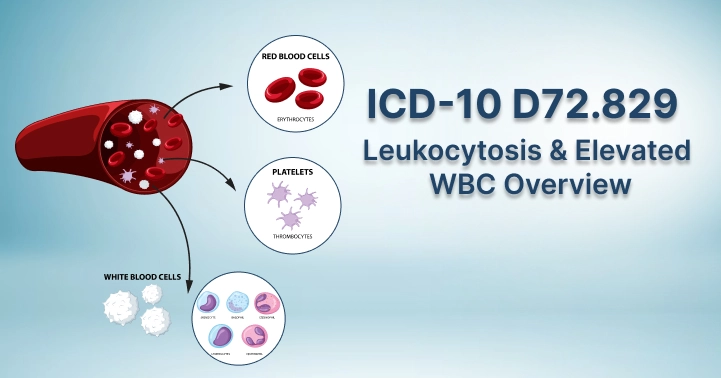
The term leukocytosis icd 10 refers to the ICD-10 diagnostic classification used to describe an elevated white blood cell count in a patient. In medical practice, leukocytosis is not a disease itself but a condition indicating an underlying issue such as infection, inflammation, or stress response.
Proper use of leukocytosis icd 10 ensures that healthcare providers document patient conditions accurately, which is critical for insurance claims and medical records.
In medical billing, coders must ensure that leukocytosis icd 10 is used correctly alongside primary diagnosis codes to justify treatment and laboratory testing.
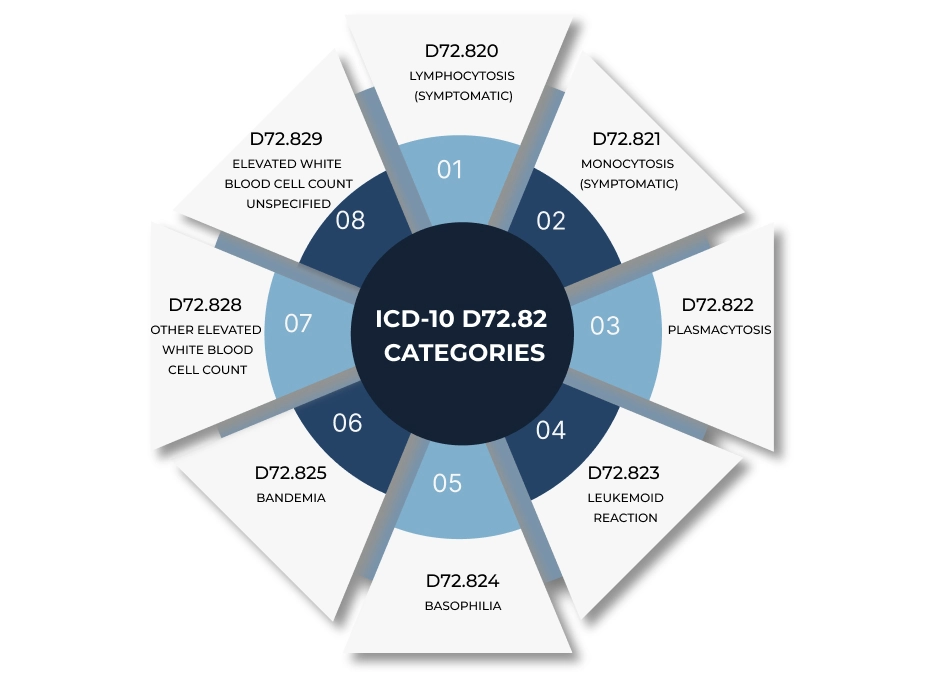
The official ICD-10 classification for leukocytosis falls under D72.829 (unspecified elevated white blood cell count), which is commonly used in clinical documentation.
According to the Centers for Medicare & Medicaid Services (CMS), accurate coding is essential for claim approval and reimbursement. You can refer to official ICD guidelines here:
https://www.cms.gov/medicare/coding-billing/icd-10-codes
Using leukocytosis icd 10 correctly helps avoid claim rejections and ensures proper medical justification for diagnostic tests.
Clinical Importance of Leukocytosis ICD 10 in Healthcare Billing
The correct usage of leukocytosis icd 10 plays a vital role in linking patient symptoms with diagnostic testing. When a patient presents with infection, inflammation, or trauma, elevated white blood cells are often observed.
In such cases, leukocytosis icd 10 becomes a supporting diagnosis that validates medical necessity. Without proper coding, insurance companies may deny claims due to lack of justification.
Medical billers must ensure that leukocytosis icd 10 is supported by clinical notes, lab results, and physician documentation.
Healthcare providers rely on accurate coding systems like leukocytosis icd 10 to maintain compliance with insurance regulations and avoid audits.
When incorrectly coded, leukocytosis icd 10 can lead to underpayment or complete claim denial, affecting overall revenue cycle performance.
Coding Guidelines for Leukocytosis ICD 10
Proper coding of leukocytosis icd 10 requires a clear understanding of ICD-10-CM guidelines. Coders must always check whether leukocytosis is primary or secondary to another condition.
In most cases, leukocytosis icd 10 is used as a secondary diagnosis code alongside the primary illness.
For example, if a patient has pneumonia, leukocytosis may be coded as a supporting condition to explain elevated white blood cell counts.
Correct documentation ensures that leukocytosis icd 10 is not misused or over-coded, which could lead to compliance issues.
Medical coders must also be aware of exclusion notes and sequencing rules when applying leukocytosis icd 10 in billing systems.
Incorrect sequencing of leukocytosis icd 10 can significantly impact claim approval rates and reimbursement timelines.
Importance of Leukocytosis ICD 10 in Medical Billing Accuracy
One of the biggest challenges in revenue cycle management is ensuring coding accuracy. Leukocytosis icd 10 plays a critical role in supporting laboratory and diagnostic billing.
When used correctly, leukocytosis icd 10 helps justify blood tests and further diagnostic procedures ordered by physicians.
Medical billing companies like Icon Billing LLC emphasize the importance of correctly documenting leukocytosis icd 10 to reduce claim denials.
Insurance companies often scrutinize claims involving leukocytosis icd 10 to ensure that medical necessity is properly established.
If documentation is incomplete, claims containing leukocytosis icd 10 may be flagged for review or rejection.
Proper training of billing staff on leukocytosis icd 10 coding rules is essential for maintaining revenue flow and compliance.
Common Mistakes in Leukocytosis ICD 10 Coding
Despite its importance, many medical practices make errors when handling leukocytosis icd-10 coding.
One common mistake is using leukocytosis icd 10 as a standalone diagnosis without supporting evidence. This often leads to claim denials.
Another issue is incorrect code selection. Coders may use outdated or unspecified codes instead of the correct leukocytosis icd-10 classification.
Documentation gaps also create problems. Without proper physician notes, leukocytosis icd-10 cannot be justified during audits.
In many cases, leukocytosis icd-10 is incorrectly sequenced as a primary diagnosis when it should be secondary.
Failure to update coding knowledge regularly also leads to misuse of leukocytosis icd-10, affecting billing performance.
Healthcare providers must work closely with experienced billing companies like Icon Billing LLC to avoid these costly errors.
Role of Leukocytosis ICD-10 in Revenue Cycle Management
Revenue cycle management depends heavily on accurate coding and billing processes. Leukocytosis icd-10 is a small but significant part of this system.
When properly applied, leukocytosis icd-10 ensures that laboratory tests and diagnostic services are reimbursed correctly.
Billing specialists must review each claim involving leukocytosis icd-10 to ensure compliance with payer guidelines.
Errors in leukocytosis icd-10 coding can delay payments and increase administrative workload.
Healthcare organizations that optimize leukocytosis icd-10 usage often experience faster reimbursement cycles and reduced denial rates.
Proper integration of leukocytosis icd-10 into electronic health record (EHR) systems improves efficiency and reduces manual errors.
Best Practices for Using Leukocytosis ICD-10
To maximize billing accuracy, healthcare providers should follow best practices when handling leukocytosis icd-10.
Always ensure that leukocytosis icd-10 is supported by lab results and physician documentation.
Use updated ICD-10 coding manuals to avoid outdated interpretations of leukocytosis icd-10.
Train billing staff regularly on proper use of leukocytosis icd-10 in different clinical scenarios.
Conduct periodic audits to ensure correct application of leukocytosis icd-10 in all claims.
Partnering with professional billing services like Icon Billing LLC can significantly improve accuracy in leukocytosis icd-10 coding and reduce revenue loss.
FAQs About Leukocytosis ICD-10
What does leukocytosis icd-10 mean in medical billing?
It refers to the ICD-10 code used to document elevated white blood cell count in a patient’s medical record.
Is leukocytosis icd-10 a primary diagnosis?
No, it is usually a secondary diagnosis used to support a primary medical condition.
What is the correct ICD-10 code for leukocytosis?
The commonly used code is D72.829, depending on documentation.
Why is leukocytosis icd-10 important in billing?
It helps justify medical necessity for tests and treatments, ensuring proper reimbursement.
Can leukocytosis icd-10 be denied by insurance?
Yes, if not properly documented or supported by clinical evidence.
How can billing companies help with leukocytosis icd-10?
Professional billing companies ensure accurate coding, reduce errors, and improve claim approval rates.
Conclusion
Understanding leukocytosis icd-10 is essential for accurate medical billing, compliance, and revenue optimization. When used correctly, leukocytosis icd-10 supports clinical documentation and ensures that healthcare providers receive proper reimbursement for services rendered.
However, incorrect usage of leukocytosis icd-10 can lead to claim denials, compliance issues, and financial losses. That’s why working with experts like Icon Billing LLC is crucial for maintaining accuracy and efficiency in your billing process.
By mastering leukocytosis icd-10, healthcare providers and billing professionals can significantly improve their revenue cycle performance and reduce administrative burdens.