
Understanding Epistaxis ICD 10: What Every Coder Must Know
Epistaxis, commonly known as a nosebleed, can appear simple at first glance. However, from a medical billing and coding perspective, it’s a nuanced condition. The epistaxis ICD 10 code is R04.0, but there’s more than meets the eye when submitting ENT-related claims to insurance providers.
When not coded correctly, nosebleed visits can lead to rejected claims, underpayments, or compliance risks. That’s why every medical coder, especially those working with ENT specialists, emergency departments, or urgent care centers, must master the use of epistaxis ICD 10 and its associated documentation.
In this comprehensive guide, we’ll walk through everything from definitions and scenarios to real billing strategies.
Epistaxis ICD 10: Classification, Subtypes, and Clinical Relevance
Epistaxis ICD 10 falls under Chapter 18 of ICD-10-CM: “Symptoms, signs and abnormal clinical and laboratory findings, not elsewhere classified.” The exact code used is:
R04.0 – Epistaxis
This code is applied when the primary reason for the visit is a nosebleed, and it isn’t caused by a deeper underlying issue.
Key Subcategories for Accurate Coding:
-
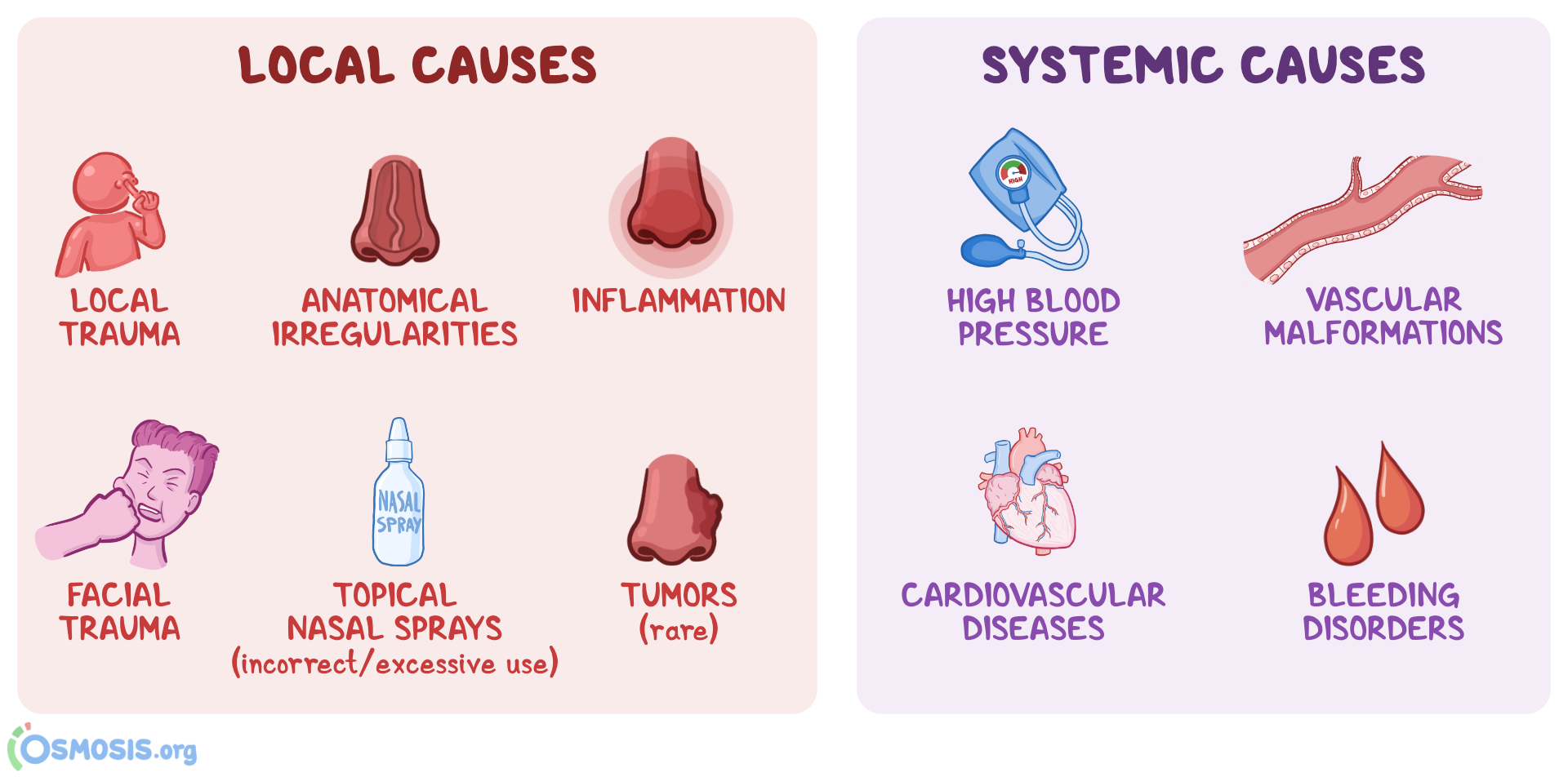
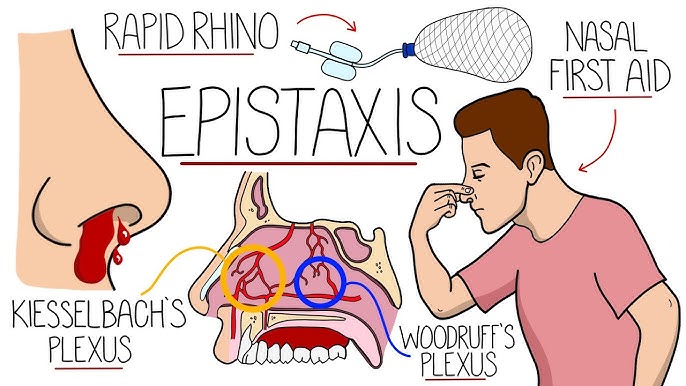
Anterior vs Posterior Epistaxis: Although ICD-10 doesn’t explicitly distinguish between these in coding, documentation should.
-
Traumatic vs Spontaneous Epistaxis: If caused by trauma, external cause codes may be required.
-
Recurrent Nosebleeds: Frequent epistaxis may hint at underlying coagulopathy, anemia, or hypertension. Documentation must be precise.
Related Codes That May Appear Alongside R04.0:
| Related Condition | ICD-10 Code |
|---|---|
| Hypertension | I10 |
| Trauma to Nose | S00.3XXA |
| Blood Dyscrasias | D75.9 |
| Nasal Polyps | J33.9 |
| Hemophilia A | D66 |
Coding epistaxis ICD 10 correctly involves more than just selecting R04.0—it’s about painting the full clinical picture.
Proper Documentation to Support Epistaxis ICD 10 Coding
Billing starts with documentation. Without clear, detailed chart notes, even the most seasoned coder can stumble.
Documentation Checklist for R04.0 Claims:
-
Site of bleed (unilateral, bilateral, anterior, posterior)
-
Frequency (first-time or recurrent)
-
Duration and severity
-
Cause (spontaneous or due to trauma, medications, etc.)
-
Treatment rendered (cauterization, nasal packing, surgery)
Common Documentation Pitfalls:
-
Missing a note on trauma or anticoagulant use
-
Omitting treatment method
-
No mention of differential diagnosis when appropriate
Remember: when submitting claims using epistaxis ICD 10, detailed documentation minimizes denials and ensures maximum reimbursement.
Common Procedures Billed with Epistaxis ICD 10
Treating nosebleeds may range from observation to complex procedures. Pairing R04.0 with appropriate CPT® codes is essential for clean claims.
Examples of Common CPT Codes:
| Procedure | CPT Code |
|---|---|
| Anterior nasal packing | 30901 |
| Posterior nasal packing | 30905 |
| Nasal cautery (chemical) | 30903 |
| Endoscopic control of bleed | 31238 |
| Nasal endoscopy | 31231 |
Tip: Always match the CPT procedure with epistaxis ICD 10 as the primary diagnosis unless a more specific underlying cause is being treated.
Modifier Use:
-
Modifier -25 for significant, separately identifiable E/M service on the same day.
-
Modifier -59 when bundling edits apply for distinct procedural services.
Billing and Reimbursement Trends for Epistaxis ICD 10
Payers are increasingly scrutinizing ENT claims for specificity and necessity. Here’s how to stay compliant and optimize reimbursements.
Carrier Expectations:
-
Medicare: Wants clear separation between E/M and procedural services.
-
Commercial Plans: Look for clinical justification if billing for procedures and high-level visits together.
-
Medicaid: May follow different bundling guidelines—check state-specific policies.
Denial Triggers:
-
Unbundled procedures without proper modifiers
-
R04.0 billed repeatedly without supporting detail
-
Lack of trauma documentation if relevant
Icon Billing LLC specializes in identifying denial trends and coding errors before they impact your revenue cycle.
How Icon Billing LLC Improves Epistaxis ICD 10 Coding Accuracy
At Icon Billing LLC, we blend expert coding, real-time audits, and proactive claim scrubbing to support ENT and urgent care providers. We help reduce errors and increase collections for epistaxis-related visits.
Our Proven Process:
-
Chart Audits: We evaluate each chart for completeness and modifier accuracy.
-
Claim Pre-Checks: Our software flags missing links between CPT and ICD codes.
-
Appeals Handling: If a claim is denied for R04.0 or a related procedure, we take swift action.
-
Customized Reports: We give clients performance dashboards and audit summaries.
We understand the complexity behind epistaxis ICD 10 billing—and we make it simple for you.
FAQs About Epistaxis ICD 10
What is the ICD 10 code for epistaxis?
The ICD-10 code is R04.0, used for nosebleeds that aren’t due to an underlying diagnosis listed elsewhere.
Is epistaxis ICD 10 a billable diagnosis?
Yes, R04.0 is fully billable and accepted by payers for claim submission.
Do I need an external cause code with R04.0?
Only if the nosebleed was caused by trauma, accident, or assault—then add external cause codes.
Can I bill both an E/M code and a procedure code for epistaxis?
Yes, as long as both services are documented separately and appropriately. Use modifier -25 when needed.
Does R04.0 cover recurrent nosebleeds?
It can be used, but documentation should reflect the recurrence and investigate underlying causes if frequent.
What’s the difference between anterior and posterior epistaxis in coding?
Though the ICD-10 doesn’t differentiate, the CPT codes for procedures do, and it should be documented in the medical note.
Conclusion: Master Epistaxis ICD 10 Coding for Cleaner Claims
In the ever-evolving world of medical billing, precision matters. Epistaxis ICD 10 (R04.0) may seem straightforward, but behind it lies a maze of modifiers, documentation pitfalls, payer expectations, and bundled procedures. Understanding how to use it correctly empowers your practice or facility to avoid denials, get paid faster, and maintain compliance.
At Icon Billing LLC, we bring clarity to complexity. Our tailored medical billing services for ENT, urgent care, and family practices ensure that epistaxis ICD 10 isn’t just another code—it’s a revenue opportunity managed with expertise.