
Understanding PNA ICD-10: Diagnosis, Coding, and Common Challenges
The world of medical billing is intricate and ever-changing, and understanding specific coding systems is crucial for ensuring proper claims and accurate reimbursement. One such code that professionals in healthcare must familiarize themselves with is the PNA ICD-10. In this article, we will break down what PNA ICD-10 means, how it’s used, and the common issues related to this coding system.
What is PNA ICD-10?
PNA ICD-10 stands for Pneumonia, Not Otherwise Specified, in the context of medical coding under the ICD-10 system. ICD-10 (International Classification of Diseases, 10th Edition) is a coding system used by healthcare providers to classify and code all diagnoses, symptoms, and procedures recorded in conjunction with hospital care in the United States. The PNA ICD-10 code helps to classify pneumonia when the exact cause is not identified.
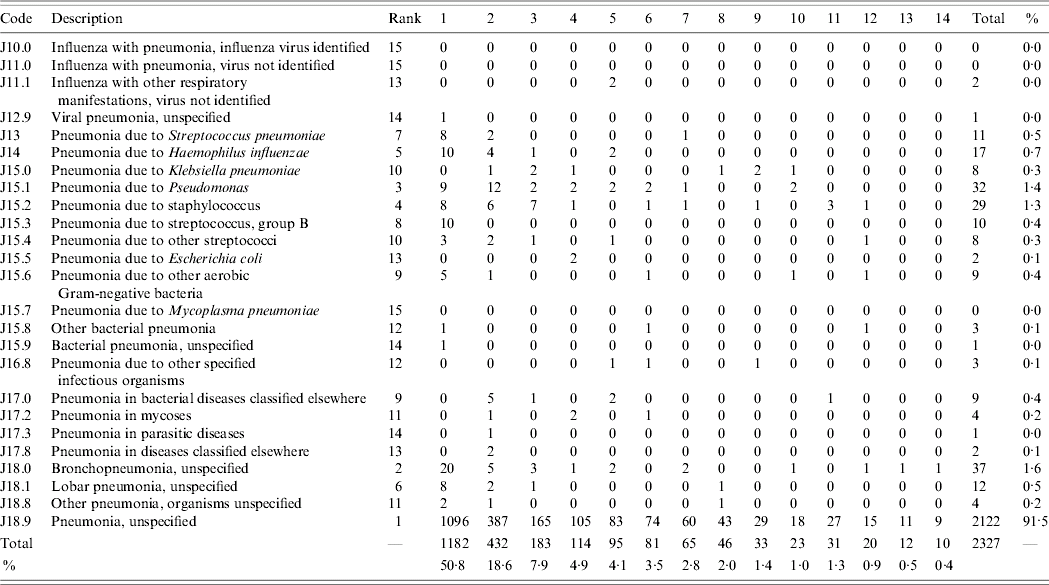
ICD-10 codes are an essential part of the billing process, used to describe the conditions of patients in a standardized manner. The code for PNA ICD-10 is J18.9, which is used when the exact nature of the pneumonia is unclear or not specified. It is often used in cases where the physician is unable to determine the specific organism causing the infection.
Importance of Properly Using the PNA ICD-10 Code
Accurate coding is vital for proper reimbursement from insurance companies and other healthcare payers. Improper coding, whether intentional or accidental, can lead to delays, claim denials, or even accusations of fraud. The PNA ICD-10 code is especially important because of its common usage in cases where the physician does not have enough information to make a more specific diagnosis.
If you are working in the medical billing field, it is essential to ensure that the PNA ICD-10 code is used correctly. Using it inappropriately could cause complications in the claim process, potentially resulting in non-payment or a lengthy appeals process.
How to Properly Use the PNA ICD-10 Code in Billing
When billing for PNA ICD-10, it’s critical to follow a few key steps:
- Accurate Documentation: Ensure that the physician’s documentation clearly indicates pneumonia but lacks a more specific cause. The code J18.9 should only be used when there is no further clarification about the type of pneumonia.
- Review the Diagnosis: Make sure to double-check the patient’s medical history and lab results before assigning the code. If the physician’s documentation does not mention an underlying condition or specific cause, the PNA ICD-10 code may be the best fit.
- Verify Symptoms: Ensure that the symptoms align with those typically associated with pneumonia, such as cough, fever, difficulty breathing, and chest pain. The PNA ICD-10 code is used for unspecified pneumonia, so it’s vital to be sure that these general symptoms match the patient’s condition.
Common Challenges with PNA ICD-10
Despite the widespread use of the PNA ICD-10 code, there are several challenges that medical billers may face when coding for pneumonia:
1. Determining the Correct Code
As with many medical conditions, there are numerous variations and specifications for pneumonia. It’s crucial to determine whether the PNA ICD-10 code (J18.9) is appropriate, or if another, more specific code can be used. Pneumonia can be caused by a variety of factors, such as bacteria, viruses, or fungi, and there are ICD-10 codes for these specific causes (e.g., J13 for Pneumonia due to Streptococcus pneumoniae).
2. Lack of Detailed Documentation
A significant challenge in the use of PNA ICD-10 is the lack of detailed documentation from healthcare providers. For example, if the physician notes “pneumonia,” but does not specify whether it is bacterial or viral, the PNA ICD-10 code may be the only option available. However, if the physician is able to clarify the cause later, the more specific code should be used.
3. Insurance Denials Due to Insufficient Information
Some insurance companies may be reluctant to pay for claims with PNA ICD-10 codes if they believe the diagnosis is vague or unclear. In these cases, billers may need to submit additional information or documentation from the healthcare provider to ensure proper reimbursement.
Other Pneumonia Codes in the ICD-10 System
While PNA ICD-10 (J18.9) is a commonly used code for unspecified pneumonia, it’s helpful to be aware of other codes in the ICD-10 system that may be used for more specific types of pneumonia. These include:
- J12.9 – Viral pneumonia, unspecified
- J13 – Pneumonia due to Streptococcus pneumoniae
- J14 – Pneumonia due to Hemophilus influenzae
- J15.9 – Bacterial pneumonia, unspecified
By using these more specific codes, healthcare professionals can more accurately reflect the patient’s condition and avoid any confusion during the billing process.
The Role of Medical Billers in PNA ICD-10 Coding
Medical billers play a pivotal role in ensuring that PNA ICD-10 codes are correctly applied to patient records. Billing staff need to have a solid understanding of the coding guidelines and the medical conditions associated with pneumonia. It’s essential to stay up-to-date with any changes to the ICD-10 system, as incorrect billing can result in claim rejections or delays.
Best Practices for Medical Billers with PNA ICD-10
To navigate the complexities of PNA ICD-10 coding, medical billers can follow these best practices:
- Collaborate with Healthcare Providers: Keep communication open with physicians to ensure accurate and detailed documentation. If a physician is unsure about the cause of pneumonia, request further testing or clarification.
- Stay Informed on Updates: ICD-10 codes are regularly updated, so it’s crucial to stay on top of new changes. Medical billing professionals should regularly check for updates to the ICD-10 coding system to ensure that they are using the most accurate and up-to-date codes.
- Use Electronic Health Records (EHR) Systems: EHR systems often have built-in coding support that can help identify the appropriate code. These systems can also flag potential errors, reducing the likelihood of incorrect coding.
- Continuously Educate Yourself: Medical billing is a continuously evolving field, and ongoing education is essential. Make use of webinars, courses, and other training resources to stay sharp on coding and billing best practices.
Conclusion
The PNA ICD-10 code is a vital component of medical billing for pneumonia. By understanding its proper use, navigating common challenges, and staying up-to-date with coding changes, healthcare professionals can improve the accuracy and efficiency of their medical billing practices. If you’re a medical biller, it’s important to be thorough, collaborate with healthcare providers, and ensure that every diagnosis is backed by accurate and detailed documentation.
Proper use of the PNA ICD-10 code ensures that your claims are processed smoothly and reduces the chances of delays or denials. So, remember the importance of this code and how it fits into the broader picture of pneumonia diagnosis and treatment.
Summary
PNA ICD-10 is a key medical billing code that can significantly impact the reimbursement process. This guide has outlined everything from the basics of the code to the challenges faced in its application. By adhering to proper coding practices, medical billers can ensure smooth claims processing and avoid complications.