Introduction
The postpartum period is one of the most important yet often overlooked stages of motherhood. After childbirth, a woman’s body undergoes significant physical, emotional, and hormonal changes while adjusting to caring for a newborn. Although welcoming a baby is a joyful experience, the postpartum recovery process can also bring unexpected health challenges that require proper care, support, and medical attention.
Many new mothers focus heavily on pregnancy and delivery but receive less preparation for the realities of postpartum healing. Fatigue, emotional stress, hormonal shifts, pain management, breastfeeding concerns, and mental health changes are all common during this critical recovery stage.
Healthcare providers, insurance professionals, and medical billing specialists also play essential roles in supporting postpartum care through accurate documentation, proper coding, and effective reimbursement management. From hospital stays to follow-up appointments and mental health treatment, managing postpartum healthcare services requires careful coordination.
In this comprehensive guide, we’ll explore the physical and emotional aspects of postpartum recovery, common complications, treatment options, mental health concerns, healthcare billing considerations, and practical recovery tips every new mother should understand.
Understanding the Postpartum Period
What Does Postpartum Mean?
The term postpartum refers to the period following childbirth, during which a mother’s body begins recovering from pregnancy and delivery. This phase generally lasts about six weeks, although some women may experience physical and emotional recovery challenges for several months.
The postpartum period involves significant bodily adjustments, including:
- Hormonal fluctuations
- Uterine healing
- Breastfeeding adaptation
- Emotional recovery
- Sleep deprivation
- Physical healing
Every woman experiences postpartum recovery differently depending on factors such as delivery type, overall health, pregnancy complications, and support systems.
Understanding the importance of postpartum care helps improve maternal health outcomes and long-term well-being.
Why Postpartum Care Is So Important
Proper postpartum care supports both physical healing and emotional recovery after childbirth.
Healthcare providers monitor mothers for:
| Postpartum Concern | Importance |
|---|---|
| Excessive bleeding | Prevent medical emergencies |
| Infection | Reduce complications |
| Mental health changes | Support emotional well-being |
| Blood pressure issues | Monitor cardiovascular health |
| Breastfeeding challenges | Improve infant nutrition |
Neglecting postpartum care can increase the risk of complications affecting both mothers and newborns.
Physical Changes During Postpartum Recovery
Common Physical Symptoms
The body experiences numerous changes during the postpartum period as it heals from pregnancy and childbirth.
Common physical symptoms include:
- Vaginal bleeding
- Cramping
- Fatigue
- Swelling
- Breast tenderness
- Perineal discomfort
- Cesarean incision pain
These symptoms are generally normal but should still be monitored carefully.
Mothers recovering from cesarean delivery may require additional postpartum healing time and medical supervision.
Hormonal and Body Adjustments
Hormonal shifts during the postpartum period can affect mood, energy levels, metabolism, and physical comfort.
Some women experience:
- Night sweats
- Hair loss
- Mood swings
- Appetite changes
- Weight fluctuations
Healthcare providers often encourage gradual recovery rather than expecting immediate physical normalization after childbirth.
Rest, hydration, balanced nutrition, and follow-up care all support healthier postpartum recovery.
Emotional and Mental Health During Postpartum
Postpartum Depression and Anxiety
Mental health is one of the most critical aspects of postpartum care.
Many women experience emotional changes after childbirth, including temporary “baby blues.” However, some mothers develop more serious conditions such as:
- Postpartum depression
- Postpartum anxiety
- Panic disorders
- Obsessive thoughts
Symptoms may include:
| Mental Health Symptom | Possible Concern |
|---|---|
| Persistent sadness | Depression |
| Severe anxiety | Anxiety disorder |
| Difficulty bonding with baby | Emotional distress |
| Sleep disturbances | Mental exhaustion |
| Feelings of hopelessness | Serious mental health concern |
Early recognition and treatment are essential for protecting maternal and infant well-being.
The Importance of Emotional Support
Strong emotional support systems improve postpartum recovery significantly.
Support may come from:
- Family members
- Friends
- Healthcare providers
- Therapists
- Support groups
New mothers should never feel pressured to manage postpartum struggles alone. Open communication and professional support can improve recovery outcomes substantially.
Medical Care and Follow-Up During Postpartum Recovery
Routine Postpartum Checkups
Medical follow-up visits are essential during the post partum period.
Healthcare providers evaluate:
- Physical healing
- Blood pressure
- Emotional well-being
- Breastfeeding concerns
- Infection signs
- Contraception planning
Routine appointments help identify complications before they become serious.
Managing Post partum Complications
Some women develop complications requiring immediate medical attention.
Potential post partum complications include:
- Hemorrhage
- Infection
- Blood clots
- High blood pressure
- Severe depression
- Cardiovascular problems
Warning signs may include:
- Heavy bleeding
- Fever
- Chest pain
- Severe headaches
- Difficulty breathing
Prompt treatment improves outcomes and reduces health risks.
Breastfeeding and Nutrition During Post partum
Breastfeeding Challenges
Breastfeeding is a major part of the post partum experience for many mothers.
Common challenges include:
- Latching difficulties
- Low milk supply
- Breast pain
- Mastitis
- Feeding schedule concerns
Lactation consultants and healthcare providers can help mothers address these issues effectively.
Nutrition and Hydration
Proper nutrition supports physical healing and energy levels during the post partum period.
Helpful recovery recommendations include:
- Staying hydrated
- Eating balanced meals
- Increasing protein intake
- Consuming iron-rich foods
- Taking prescribed supplements
Good nutrition also supports breastfeeding and immune system recovery.
Post partum and Medical Billing Considerations
Why Accurate Documentation Matters
Healthcare organizations managing post partum care must maintain accurate documentation and billing practices.
Services requiring proper coding may include:
- Delivery care
- Follow-up visits
- Mental health evaluations
- Lactation consultations
- Hospital stays
- Emergency treatment
Incomplete documentation can lead to claim denials and reimbursement delays.
Common Billing Challenges
Medical billing professionals frequently encounter challenges involving post partum claims.
Common issues include:
| Billing Issue | Impact |
|---|---|
| Incorrect coding | Claim denials |
| Missing documentation | Delayed reimbursement |
| Insurance verification errors | Payment delays |
| Incomplete records | Compliance concerns |
Efficient revenue cycle management helps providers improve reimbursement accuracy while supporting patient care quality.
At Icon Billing LLC, healthcare organizations can access specialized billing and coding support designed to streamline maternal healthcare reimbursement processes and reduce administrative burdens.
Long-Term Recovery and Wellness After Post partum
Physical Recovery Takes Time
Many women underestimate how long full post partum recovery may take.
Factors affecting recovery include:
- Delivery method
- Sleep quality
- Emotional health
- Medical complications
- Physical activity levels
Healthcare providers encourage realistic recovery expectations and gradual return to daily activities.
Prioritizing Self-Care
Self-care remains extremely important during the post partum period.
Helpful self-care strategies include:
- Rest whenever possible
- Asking for support
- Attending follow-up appointments
- Managing stress
- Maintaining healthy nutrition
Mothers who prioritize physical and emotional health often experience improved recovery outcomes.
Technology and Modern Post partum Healthcare
Telehealth and Virtual Support
Technology continues improving access to post partum healthcare services.
Telehealth options may include:
- Virtual mental health counseling
- Lactation consultations
- Follow-up appointments
- Wellness monitoring
Remote healthcare access can be especially valuable for mothers with transportation or scheduling challenges.
Electronic Medical Records and Billing
Modern healthcare systems use digital records to improve post partum care coordination and billing accuracy.
Benefits include:
- Faster documentation
- Improved communication
- Better insurance processing
- Streamlined patient records
Technology helps providers deliver more efficient and organized maternal healthcare services.
Frequently Asked Questions About Post partum Recovery
What does post partum mean?
The post partum period refers to the recovery stage following childbirth when a mother’s body heals physically and emotionally.
How long does post partum recovery last?
While initial recovery often lasts six weeks, some women experience post partum symptoms and adjustments for several months.
What are common post partum symptoms?
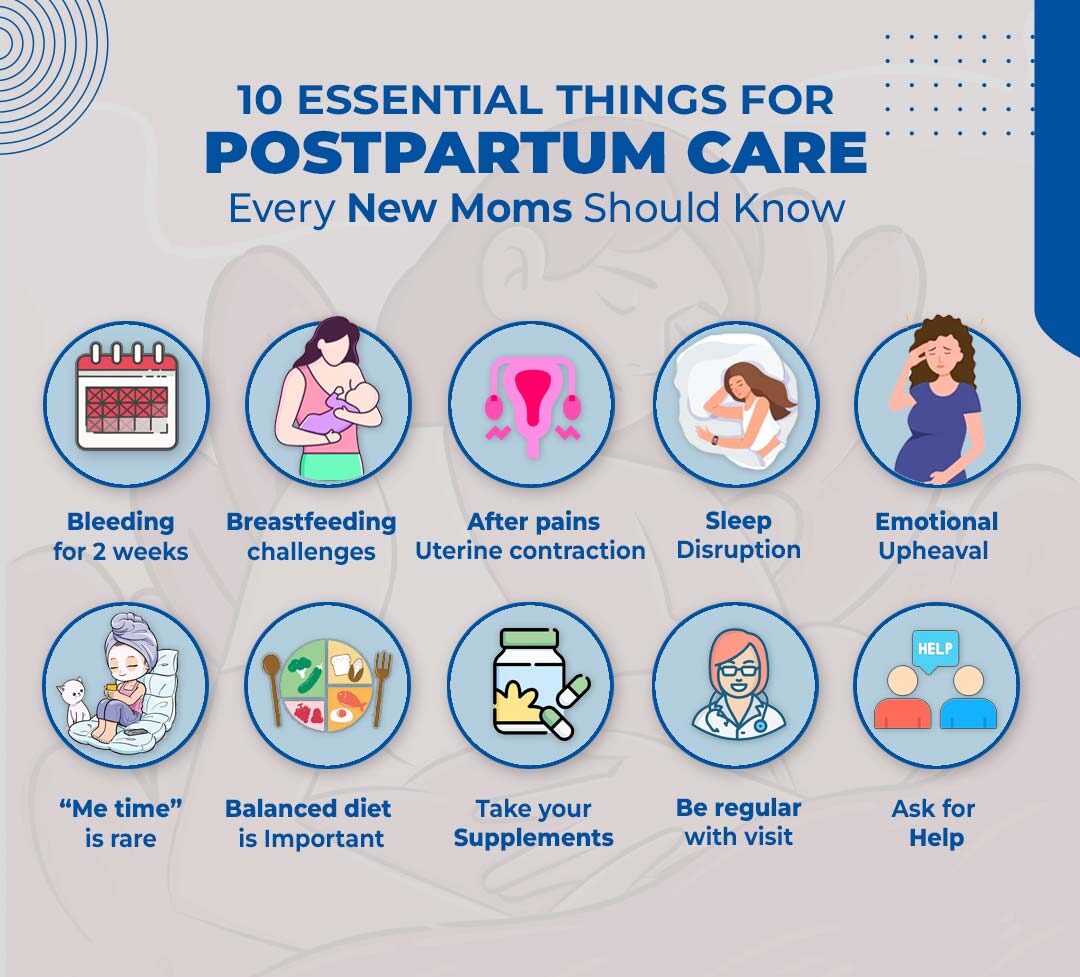
Common symptoms include fatigue, bleeding, cramping, breast tenderness, mood swings, and sleep disruption.
What is post partum depression?
Post partum depression is a serious mental health condition involving persistent sadness, anxiety, and emotional distress after childbirth.
Why are post partum checkups important?
They help healthcare providers monitor healing, detect complications, and support emotional wellness.
Can post partum complications become serious?
Yes. Conditions such as hemorrhage, infection, blood clots, and severe depression require immediate medical attention.
Why is accurate post partum medical billing important?
Accurate billing improves reimbursement, reduces claim denials, and supports proper healthcare documentation.
Conclusion
The post partum period is a critical stage of recovery that affects physical health, emotional well-being, and long-term maternal wellness. While childbirth is often celebrated as a joyful milestone, many mothers face significant physical and emotional challenges during the weeks and months that follow delivery.
Understanding the realities of post partum recovery helps women seek appropriate care, recognize warning signs, and prioritize both physical healing and mental health support. From breastfeeding challenges and hormonal changes to medical follow-up care and emotional wellness, every aspect of post partum recovery deserves attention and support.
Healthcare providers and medical billing professionals also play essential roles in ensuring mothers receive proper care through accurate documentation, coding, and reimbursement management. As awareness surrounding maternal health continues growing, improving post partum education, support, and healthcare access remains essential for healthier families and stronger communities.