Introduction
In the rapidly evolving world of healthcare, staying compliant with regulations is crucial to ensure the smooth functioning of your medical billing processes. One of the most important regulations healthcare providers must follow is the HIPAA (Health Insurance Portability and Accountability Act) guidelines. But how does the OCR HIPAA (Office for Civil Rights HIPAA) impact your medical billing practices, and why is it so vital to understand? This blog post will dive deep into OCR HIPAA, its role in healthcare billing, and the consequences of non-compliance.
As healthcare practices and billing companies look for ways to streamline their operations while maintaining the highest standards of compliance, it is essential to keep up with OCR HIPAA regulations. Let’s explore what OCR HIPAA means for your business and why it’s important to follow its guidelines.
What is OCR HIPAA?
The OCR HIPAA is an initiative governed by the Office for Civil Rights under the U.S. Department of Health and Human Services (HHS). This office is responsible for enforcing and overseeing the privacy and security of Protected Health Information (PHI) under HIPAA. OCR HIPAA plays a significant role in ensuring that healthcare organizations follow the necessary security measures and protocols to safeguard patient data, especially in medical billing systems.
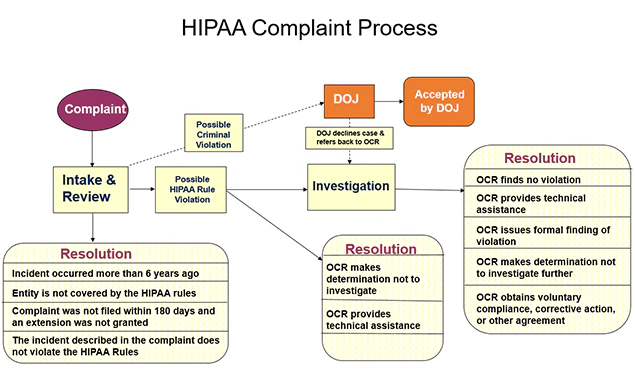
The OCR is the enforcement body that investigates breaches, complaints, and potential violations related to HIPAA laws. The OCR’s role includes assessing how well healthcare organizations are complying with HIPAA regulations and ensuring that businesses, including medical billing companies, maintain the privacy and integrity of patient data.
OCR HIPAA Compliance: Why It Matters in Medical Billing
As a medical billing provider, you are required to adhere to OCR HIPAA standards to protect sensitive patient information. Non-compliance can lead to severe financial penalties, reputation damage, and potential legal actions. OCR HIPAA ensures that medical professionals, health insurance companies, and healthcare providers follow proper data protection measures when handling patient information.
- Patient Privacy Protection: Medical billing companies handle sensitive information such as patient names, diagnoses, and payment details. OCR HIPAA regulations ensure that this data is protected and not disclosed without proper authorization.
- Risk Management and Security Protocols: OCR HIPAA outlines specific security measures, such as encryption and access control, which medical billing companies must implement to protect PHI from unauthorized access or theft.
- Auditing and Reporting Requirements: Under OCR HIPAA, medical billing companies must maintain clear records of all patient data transactions and be prepared for audits. Non-compliance could lead to penalties and lawsuits.
- Data Breach Response: In the event of a breach, OCR HIPAA requires companies to notify affected patients and report the incident to the authorities. Failure to comply can result in severe consequences for the organization involved.
OCR HIPAA and Its Role in Protecting Patient Data
The OCR HIPAA regulations play a critical role in protecting patient data. As medical billing is integral to healthcare operations, it’s vital that all parties involved adhere to these strict data protection guidelines.
OCR HIPAA mandates that healthcare organizations implement a range of practices and security measures to ensure the privacy and integrity of medical records and billing details. Whether you are a healthcare provider or a medical billing company, understanding how to protect sensitive information is essential.
Key Aspects of OCR HIPAA in Medical Billing
- Security Rule: The HIPAA Security Rule, enforced by OCR, applies to electronic Protected Health Information (ePHI). It sets forth security standards that all healthcare providers and business associates must adhere to in order to maintain ePHI confidentiality, integrity, and availability.
- Privacy Rule: The OCR HIPAA Privacy Rule restricts the use and disclosure of health information. Medical billing companies must ensure that PHI is only used for legitimate business purposes, with clear consent from the patient.
- Transaction and Code Sets Rule: This rule regulates the standardized electronic billing codes, ensuring accurate and compliant medical billing. The OCR HIPAA enforces this rule to ensure consistent and secure data exchange across the healthcare industry.
- Breach Notification Rule: According to OCR HIPAA, healthcare organizations must report data breaches within a set timeframe and ensure that affected individuals are notified promptly. This is vital in maintaining trust with patients and protecting the organization from liability.
OCR HIPAA Violations: Consequences for Non-Compliance
Non-compliance with OCR HIPAA can lead to severe penalties, including substantial fines and legal consequences. Depending on the nature of the violation, penalties can range from hundreds of dollars to millions. The OCR takes violations seriously and ensures that businesses responsible for patient data protection are held accountable.
Types of Penalties for HIPAA Violations
- Civil Penalties: These are financial penalties for violations of OCR-HIPAA rules. The amount depends on the severity of the violation, ranging from $100 to $50,000 per violation. The maximum penalty per year can reach up to $1.5 million.
- Criminal Penalties: If a HIPAA violation is intentional, criminal penalties can apply, with fines of up to $250,000 and jail time for up to 10 years in the most severe cases.
- Reputational Damage: Beyond financial penalties, healthcare organizations can suffer irreparable reputational damage from a HIPAA violation, leading to a loss of patient trust and business relationships.
OCR HIPAA Compliance Tips for Medical Billing Companies
To ensure that your medical billing company stays compliant with OCR-HIPAA, here are some tips to follow:
- Conduct Regular Risk Assessments: Medical billing companies should regularly assess their data security practices and identify potential vulnerabilities. This includes examining access controls, encryption methods, and employee training.
- Implement Robust Security Measures: Strong encryption, firewalls, secure communication channels, and user authentication are essential components of maintaining OCR-HIPAA compliance in medical billing.
- Train Staff on HIPAA Regulations: Ensuring that all staff members are well-versed in OCR-HIPAA regulations and data protection protocols will help prevent accidental violations and strengthen the company’s overall security posture.
- Create Data Access Policies: Clearly define who has access to sensitive patient data and under what circumstances. Limit access based on role and necessity to minimize the risk of unauthorized disclosures.
- Establish Incident Response Procedures: Be prepared for any potential data breaches by creating an incident response plan that includes immediate notification to affected patients and reporting to OCR within the required timeframe.
The Future of OCR-HIPAA: What’s Next for Medical Billing?
As technology continues to advance, OCR-HIPAA will likely evolve to address new challenges in data security and privacy. From the rise of telehealth services to the integration of artificial intelligence in healthcare, the landscape of medical billing is changing. Medical billing companies must stay ahead of these changes to ensure compliance with OCR-HIPAA and avoid the potential risks associated with violations.
By embracing updated technologies and practices, businesses can better comply with OCR-HIPAA regulations and continue to deliver secure and efficient billing services to their clients.

Conclusion
Understanding and following OCR HIPAA regulations is essential for medical billing companies. From safeguarding patient data to avoiding costly penalties, the importance of OCR-HIPAA compliance cannot be overstated. By ensuring that your medical billing practices align with these regulations, you help protect patient privacy and maintain the integrity of your business.
At Icon Billing LLC, we understand the complexities of healthcare compliance and offer services that help healthcare providers navigate the evolving landscape of OCR-HIPAA. Stay ahead of the curve and protect your business by adhering to OCR-HIPAA guidelines today.
For more information on how we can help with your medical billing compliance, contact us at Icon Billing LLC.