Everything You Need to Know About Medicare Part C:
Medicare is a vital healthcare program for millions of Americans, especially seniors. However, the different parts of Medicare can often be confusing, and understanding each component is essential for making informed decisions about your healthcare coverage. One of the most popular and often misunderstood aspects of Medicare is Medicare Part C, also known as Medicare Advantage.
In this post, we will break down everything you need to know about Medicare Part C. From understanding its benefits and coverage options to how it compares with other parts of Medicare, we’ve got you covered. At Icon Billing LLC, we believe in helping our clients navigate the complexities of healthcare billing and insurance, so let’s dive in and explore Medicare Part C together!

What Is Medicare Part C?
Medicare Part C is a type of health insurance offered by private companies that are approved by Medicare. It’s an alternative way to get your Medicare benefits, and it includes all of the services provided by Medicare Part A (hospital insurance) and Medicare Part B (medical insurance). Medicare Part C also offers additional benefits that aren’t typically covered by Original Medicare, like prescription drugs, vision, dental, and hearing services.
If you’re eligible for Medicare, you have the option to choose Medicare Part C instead of Original Medicare. This plan combines the benefits of Part A and Part B into one plan, typically offering more coverage, sometimes at a lower cost.
What Does Medicare Part C Cover?
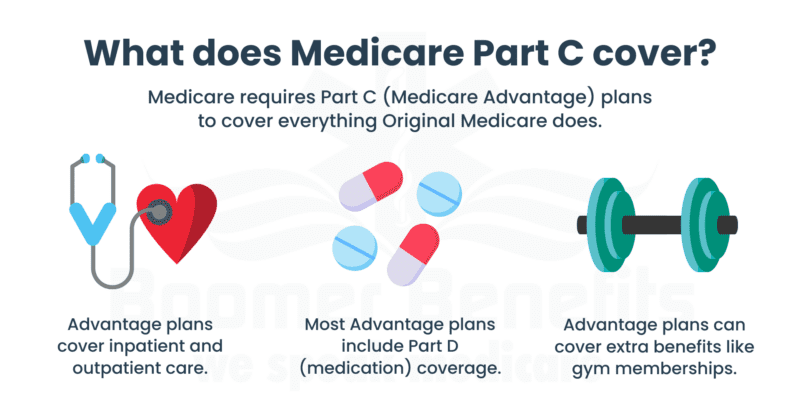
Medicare Part C covers everything that Original Medicare covers, including hospital stays, doctor visits, and preventive care. However, it also often includes additional benefits like:
-
Prescription Drug Coverage (Part D): Many Medicare Part C plans include prescription drug coverage, which means you can get all of your benefits in one plan without needing a separate prescription drug plan.
-
Vision: Some plans cover eye exams, glasses, and even vision surgery.
-
Dental: Many Medicare Part C plans offer dental coverage, which may include cleanings, exams, and sometimes even dentures.
-
Hearing: Hearing exams and hearing aids may be included in some plans.
-
Wellness Programs: Some plans offer wellness programs that provide gym memberships and discounts on health-related products and services.
One of the most important things to note about Medicare Part C is that it can vary in terms of coverage, costs, and providers depending on the private insurance company offering the plan.
How Does Medicare Part C Differ From Original Medicare?
The main difference between Medicare Part-C and Original Medicare (Part A and Part B) is the way the benefits are provided. Here’s how they compare:
-
Coverage:
-
Original Medicare only covers Part A (hospital stays) and Part B (doctor visits). It doesn’t offer coverage for prescription drugs, vision, hearing, or dental care.
-
Medicare Part-C, on the other hand, combines the benefits of Part A and Part B and often includes additional coverage for things like prescription drugs, dental, and vision.
-
-
Cost:
-
With Original Medicare, you typically pay a deductible for each service and may have to pay for services that aren’t covered.
-
Medicare Part-C plans may have lower out-of-pocket costs and may offer caps on how much you have to pay for certain services. Many plans also include prescription drug coverage (Part D), so you don’t need a separate plan.
-
-
Provider Networks:
-
Original Medicare allows you to see any doctor or healthcare provider that accepts Medicare.
-
Medicare Part C plans often come with provider networks, meaning you may need to use in-network providers to get the full benefits.
-
Who Can Enroll in Medicare Part C?
You can enroll in Medicare Part-C if:
-
You are eligible for Medicare Part A and Part B.
-
You live in the service area for the Medicare Part-C plan you want to enroll in.
-
You don’t have End-Stage Renal Disease (ESRD), though there are some exceptions.
Most people become eligible for Medicare when they turn 65. If you’re under 65 but have certain disabilities, you may also qualify for Medicare. You must be enrolled in Part A and Part B before you can sign up for Medicare Part-C.
How to Choose the Right Medicare Part C Plan
Choosing the right Medicare Part-C plan is an important decision that can significantly affect your healthcare coverage and costs. Here are some factors to consider when selecting a plan:
-
Coverage Options: Compare the additional benefits offered by different Medicare Part-C plans, such as prescription drug coverage, vision, dental, and hearing. Some plans may also offer wellness programs and discounts.
-
Cost: Be sure to consider the monthly premium, copayments, deductibles, and out-of-pocket costs. Some Medicare Part-C plans have a $0 premium, but it’s essential to evaluate the overall costs.
-
Provider Network: Check if your preferred doctors and hospitals are in the plan’s network. Some Medicare Part-C plans have a restricted network of providers, while others offer more flexibility.
-
Prescription Drug Coverage: If you need prescription drug coverage, make sure your plan includes Part D. Not all Medicare Part-C plans include this, so it’s essential to verify.
-
Ratings and Reviews: Research ratings and reviews of different Medicare Part-C plans to understand how they perform in terms of customer satisfaction, claims processing, and coverage.
Pros and Cons of Medicare Part C
Like any insurance plan, Medicare Part C comes with both advantages and disadvantages. Let’s explore them:
Pros:
-
Comprehensive Coverage: It includes both Part A and Part B benefits and often includes prescription drugs, vision, dental, and hearing care.
-
Lower Out-of-Pocket Costs: Some plans have lower copays, deductibles, and out-of-pocket costs compared to Original Medicare.
-
Additional Benefits: Many Medicare Part-C plans offer added benefits like wellness programs, gym memberships, and transportation to medical appointments.
Cons:
-
Limited Network: You may be required to use specific doctors, hospitals, and pharmacies.
-
Additional Costs: Even though some plans have $0 premiums, you may have to pay higher copays or deductibles depending on the plan.
-
Plan Availability: Not all plans are available in all areas, so your options may be limited.
Common Medicare Part C Myths
There are a lot of misconceptions about Medicare Part-C, which can make it confusing for beneficiaries to decide whether it’s the right option. Let’s debunk a few myths:
-
Myth: Medicare Part C is the same as Medicare Advantage.
Fact: Medicare Part-C is another name for Medicare Advantage. They are the same program, so the terms can be used interchangeably. -
Myth: Medicare Part C is only for people who are in poor health.
Fact: Medicare Part-C is available to all Medicare beneficiaries who meet the eligibility requirements, regardless of their health status. -
Myth: You cannot change your Medicare Part-C plan.
Fact: You can change your Medicare Part-C plan during the open enrollment period or under certain special circumstances.
Conclusion
Medicare Part-C (Medicare Advantage) offers a comprehensive and often more affordable way to receive your Medicare benefits. With additional coverage options and lower out-of-pocket costs, it’s an attractive option for many Medicare beneficiaries. However, it’s essential to carefully consider your needs, provider options, and costs before making a decision.
At Icon Billing LLC, we’re here to help you understand your Medicare options and ensure that you make the best choice for your healthcare needs. If you have any questions about Medicare Part-C or need assistance with billing, don’t hesitate to contact us today.