Introduction
Understanding medicare part a is essential for patients, healthcare providers, and medical billing professionals navigating the complex healthcare reimbursement system in the United States. As one of the foundational components of Medicare coverage, medicare part a helps millions of Americans access critical hospital and inpatient healthcare services every year.
However, despite its importance, many people remain confused about what medicare part a actually covers, who qualifies, what costs patients may still face, and how billing procedures work. Misunderstanding coverage details can lead to unexpected medical expenses, denied claims, and billing complications for both patients and providers.
For healthcare organizations, proper management of medicare part a billing is crucial for maintaining compliance, improving reimbursement accuracy, and minimizing costly administrative errors. Accurate documentation and coding directly impact claim approvals and financial performance.
In this comprehensive guide, we’ll explore how medicare part a works, eligibility requirements, covered services, common billing challenges, costs, reimbursement rules, and strategies healthcare providers can use to optimize billing operations.
Understanding Medicare Part A
What Is Medicare Part A?
Medicare part a is often referred to as hospital insurance. It is one of the primary components of the federal Medicare program designed to provide healthcare coverage for eligible individuals, primarily those aged 65 and older.
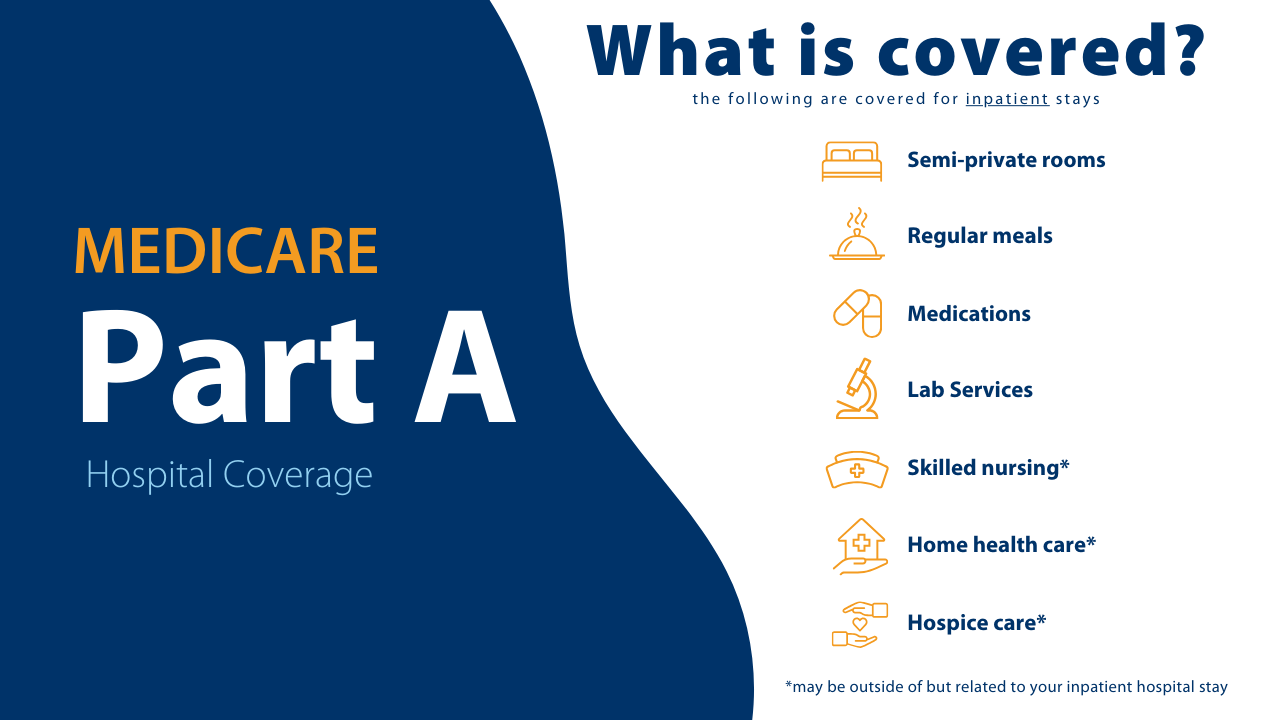
The main purpose of medicare part a is to help cover inpatient healthcare services such as:
- Hospital stays
- Skilled nursing facility care
- Hospice care
- Limited home healthcare services
Unlike private insurance plans that vary significantly, medicare part a follows federally regulated guidelines and reimbursement structures.
Most eligible individuals receive premium-free medicare part a if they or their spouse paid Medicare taxes while working for a sufficient number of years.
Who Qualifies for Medicare Part A?
Eligibility for medicare part a generally depends on age, disability status, and work history.
Individuals may qualify if they:
| Eligibility Requirement | Description |
|---|---|
| Age 65 or older | Standard eligibility |
| Certain disabilities | Qualify after approved disability benefits |
| End-stage renal disease | Special eligibility conditions |
| ALS diagnosis | Immediate Medicare eligibility |
Some individuals may need to pay monthly premiums if they lack sufficient work credits.
Understanding eligibility rules helps patients plan healthcare coverage and avoid enrollment delays.
What Medicare Part A Covers
Inpatient Hospital Care
One of the most important benefits of medicare part a is inpatient hospital coverage.
Covered services may include:
- Semi-private hospital rooms
- Meals during hospitalization
- General nursing care
- Medications administered during inpatient treatment
- Operating room services
- Necessary medical supplies
However, medicare part a does not typically cover private-duty nursing, personal care items, or non-medically necessary services.
Coverage periods and benefit limits can vary depending on the length of hospitalization and patient circumstances.
Skilled Nursing Facility Coverage
Many patients recovering from surgery, illness, or injury require temporary rehabilitation or nursing care.
Medicare part a may help cover skilled nursing facility services if:
- The patient had a qualifying hospital stay
- A physician certifies medical necessity
- Skilled care is required daily
Covered services may include:
- Physical therapy
- Occupational therapy
- Skilled nursing care
- Rehabilitation services
Patients should understand that long-term custodial care is generally not covered under medicare part a.
Medicare Part A Costs and Expenses
Deductibles and Coinsurance
Although many individuals receive premium-free medicare part a, patients may still face out-of-pocket expenses.
Common costs associated with medicare part a include:
| Cost Type | Description |
|---|---|
| Deductible | Amount paid before coverage begins |
| Coinsurance | Shared patient costs after certain periods |
| Copayments | Applicable in some care settings |
Hospital stays extending beyond specific coverage periods may result in higher coinsurance responsibilities.
Understanding these expenses helps patients avoid financial surprises during treatment.
Premiums and Enrollment Penalties
Some individuals who do not qualify for premium-free coverage must pay monthly premiums for medicare part a.
Additionally, late enrollment may lead to penalties that increase monthly costs.
Enrollment timing is therefore extremely important for maintaining affordable healthcare coverage.
Patients approaching Medicare eligibility should carefully review enrollment deadlines and coverage options.
Medicare Part A and Medical Billing
Why Accurate Billing Matters
Healthcare providers depend heavily on accurate medicare part a billing processes to maintain financial stability and compliance.
Errors in billing may cause:
- Claim denials
- Delayed reimbursements
- Compliance violations
- Revenue loss
- Patient billing disputes
Medical billing teams must understand federal guidelines, documentation requirements, and coding standards associated with medicare part a claims.
Common Billing Challenges
Healthcare organizations frequently encounter challenges involving medicare part a reimbursement.
Common issues include:
- Incomplete documentation
- Incorrect patient eligibility verification
- Coding inaccuracies
- Missed filing deadlines
- Improper admission classifications
Strong revenue cycle management processes help reduce these complications significantly.
Professional billing support can improve claim accuracy and streamline reimbursement workflows.
At Icon Billing LLC, healthcare providers can access specialized billing solutions designed to improve efficiency, reduce denials, and optimize medicare part a reimbursement management.
Hospice and Home Health Services Under Medicare Part A
Hospice Care Coverage
Patients facing terminal illnesses may qualify for hospice benefits under medicare part a.
Hospice coverage focuses on comfort care rather than curative treatment and may include:
- Pain management
- Counseling services
- Medical equipment
- Nursing care
- Family support
Patients must meet eligibility requirements and receive physician certification for hospice services.
Limited Home Healthcare Benefits
Under certain conditions, medicare part a may also provide limited home healthcare coverage.
Eligible services may include:
- Skilled nursing visits
- Physical therapy
- Speech-language pathology
- Occupational therapy
Home healthcare services must generally be medically necessary and physician-directed.
Understanding these benefits helps patients receive appropriate care while minimizing unnecessary expenses.
Common Mistakes Patients Make With Medicare Part A
Assuming Everything Is Fully Covered
One of the biggest misconceptions about medicare part a is that it covers all healthcare expenses completely.
In reality, patients may still face:
- Deductibles
- Coinsurance
- Non-covered services
- Long-term care expenses
Reviewing coverage details carefully helps individuals make informed healthcare decisions.
Ignoring Enrollment Deadlines
Failing to enroll in medicare part-a during eligible periods may result in costly penalties or delayed coverage.
Patients should begin researching Medicare options several months before becoming eligible.
Proper planning ensures smoother enrollment and uninterrupted healthcare access.
Compliance and Documentation Requirements
Importance of Clinical Documentation
Accurate documentation is critical for successful medicare part-a reimbursement.
Healthcare providers must document:
- Medical necessity
- Admission details
- Physician orders
- Treatment plans
- Discharge summaries
Incomplete records increase audit risks and may lead to claim denials.
Medicare Audits and Compliance Risks
Federal healthcare programs closely monitor billing practices to prevent fraud and improper payments.
Organizations handling medicare part-a claims must maintain strong compliance procedures, including:
- Internal audits
- Staff education
- Coding reviews
- Documentation improvement initiatives
Compliance-focused billing processes help reduce legal and financial risks.
Technology and Medicare Part-A Billing
How Automation Improves Billing Efficiency
Modern healthcare technology helps organizations manage medicare part-a claims more efficiently.
Billing software may assist with:
- Eligibility verification
- Claim tracking
- Coding validation
- Denial management
- Revenue reporting
Automation reduces manual errors while improving productivity.
The Role of Experienced Billing Specialists
Although software improves workflows, experienced medical billing professionals remain essential for handling complex reimbursement issues.
Billing specialists understand:
- Medicare regulations
- Documentation standards
- Coding updates
- Appeals processes
- Compliance requirements
Human expertise remains critical for successful medicare part-a claim management.
Frequently Asked Questions About Medicare Part-A
What is Medicare Part-A?
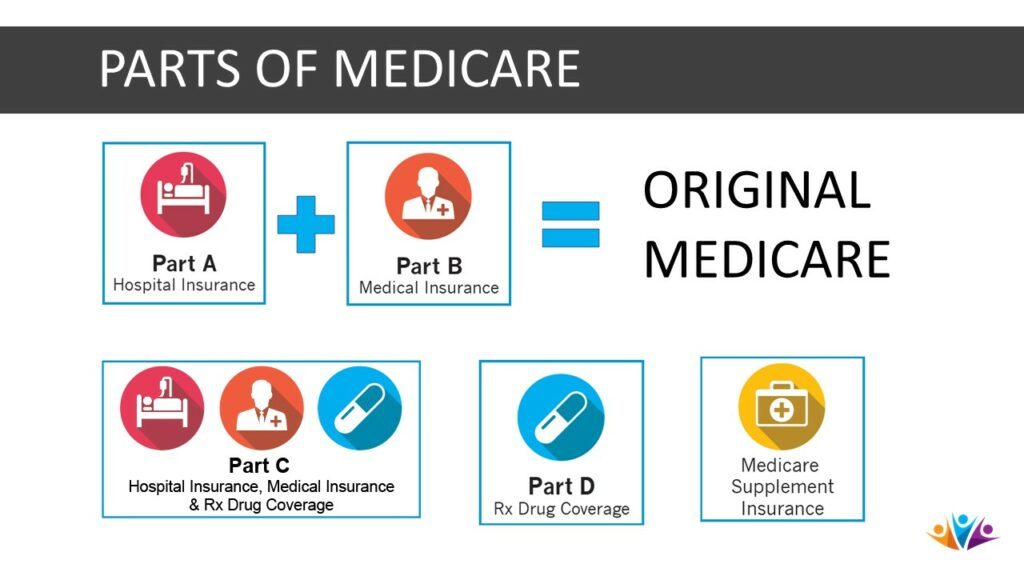
Medicare part-a is hospital insurance that helps cover inpatient hospital care, skilled nursing facilities, hospice services, and limited home healthcare.
Is Medicare Part-A free?
Many eligible individuals receive premium-free medicare part-a if they paid sufficient Medicare taxes during employment.
What does Medicare Part-A cover?
Coverage includes inpatient hospital care, skilled nursing facilities, hospice care, and some home healthcare services.
Does Medicare Part-A cover long-term nursing home care?
No. Medicare part-a generally does not cover long-term custodial nursing home care.
What costs are associated with Medicare Part-A?
Patients may still pay deductibles, coinsurance, and certain out-of-pocket expenses.
Why is accurate Medicare Part-A billing important?
Proper billing helps healthcare providers avoid claim denials, maintain compliance, and improve reimbursement accuracy.
Can medical billing companies help manage Medicare Part-A claims?
Yes. Professional billing companies improve claim accuracy, reduce administrative burdens, and streamline reimbursement processes.
Conclusion
Understanding medicare part-a is essential for both patients and healthcare providers navigating the complex healthcare reimbursement system. From hospital stays and skilled nursing care to hospice services and limited home healthcare coverage, medicare part-a plays a critical role in supporting millions of Americans.
However, confusion surrounding eligibility, costs, billing requirements, and coverage limitations can create financial and administrative challenges. Accurate documentation, proper coding, and efficient billing practices are necessary to ensure smooth reimbursement and regulatory compliance.
For healthcare organizations, strong revenue cycle management and professional billing support help optimize medicare part-a claims while reducing denials and operational inefficiencies. As healthcare regulations continue evolving, providers that prioritize accurate billing and compliance will remain better positioned for long-term financial success and patient satisfaction.