
Introduction
When it comes to accurate medical billing, one misstep in diagnostic coding can lead to delayed payments, claim denials, and revenue loss. The leukocytosis ICD 10 code is frequently used but often misunderstood, resulting in critical errors that can impact both providers and patients. At Icon Billing LLC, we know how vital proper coding is to the success of your practice. In this post, we’ll walk you through the 7 most common coding errors related to the leukocytosis ICD 10 code, along with strategies to avoid them. Whether you’re a medical coder, provider, or billing specialist, this guide will empower you to enhance compliance, reduce rejections, and get paid faster.
What is Leukocytosis and Its ICD 10 Code?
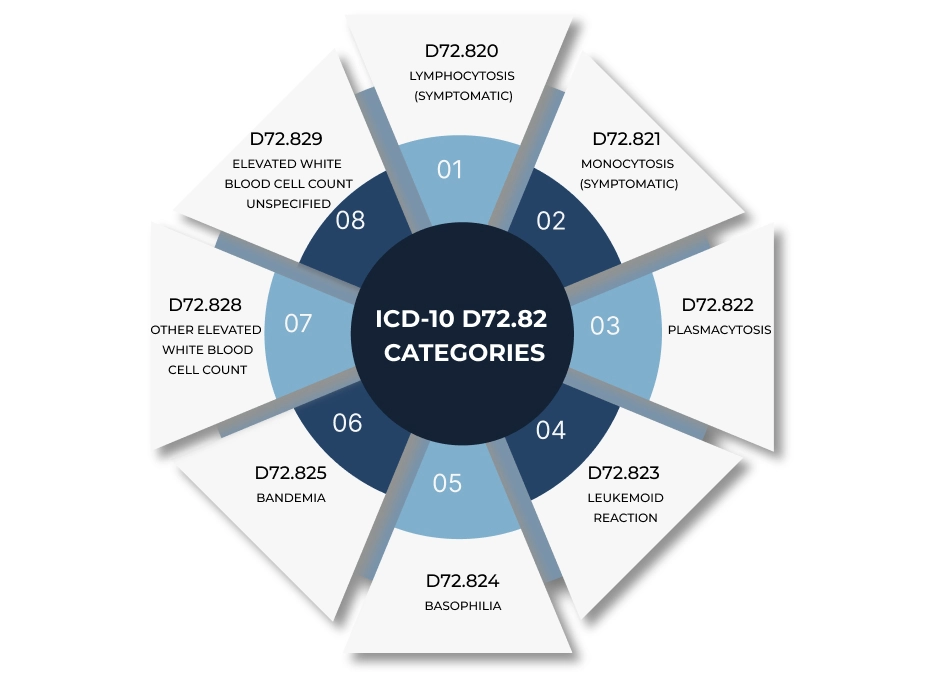
Leukocytosis refers to an abnormal increase in white blood cells, often signaling an infection, inflammation, or other underlying conditions. In ICD 10, leukocytosis is coded as D72.829 – Elevated white blood cell count, unspecified.
However, this seemingly straightforward code requires context-specific usage. Not every elevated WBC count should be coded with D72.829. Coders must differentiate between leukocytosis as a primary diagnosis and as a symptom or secondary condition.
Incorrect use of leukocytosis ICD 10 codes can trigger audits, delay claims, or lead to underpayment. Precision matters—especially in an era where compliance standards and payer scrutiny continue to tighten.
Critical Error #1: Using D72.829 Without Clinical Support
The first and perhaps most damaging mistake is assigning the leukocytosis ICD 10 code without a valid clinical justification. Just because lab results show elevated white blood cells doesn’t automatically mean leukocytosis should be coded.
How to Avoid:
-
Ensure that the provider documents leukocytosis explicitly as a diagnosis.
-
Use D72.829 only when leukocytosis is medically relevant to the visit.
-
Cross-check lab results with clinical notes before coding.
Insurance auditors often flag unsupported codes like this one. Don’t let a simple oversight turn into a costly denial.
Critical Error #2: Overlooking the Underlying Cause
Leukocytosis ICD 10 should rarely be used in isolation. In most cases, elevated WBCs result from an underlying condition—such as an infection or inflammatory disease—which should be the principal diagnosis.
Best Practice:
-
Prioritize the underlying condition as the primary code (e.g., pneumonia, sepsis, appendicitis).
-
Use D72.829 as a secondary code only if the leukocytosis itself is independently addressed.
Ignoring this hierarchy can distort clinical accuracy and trigger payer rejections.
Critical Error #3: Coding Leukocytosis as a Chronic Condition
Leukocytosis is typically an acute or temporary finding. Coding it as a chronic issue can misrepresent the patient’s condition, impacting reimbursement and care coordination.
What to Do:
-
Review the timeline in the provider notes.
-
Refrain from repeatedly coding D72.829 across multiple encounters without justification.
-
Re-evaluate each case individually.
Routine or duplicate coding of leukocytosis ICD 10 may raise red flags during audits and payer reviews.
Critical Error #4: Confusing Leukocytosis with Leukemia or Leukopenia
The similarity in terminology can trip up even experienced coders. Leukocytosis ICD 10 (D72.829) is not interchangeable with codes for leukemia (C91–C95) or leukopenia (D72.819).
Key Differences:
-
Leukocytosis: Elevated white cell count, typically temporary
-
Leukemia: Malignancy of white blood cells
-
Leukopenia: Low white cell count
Double-check the diagnosis before selecting your code. Small errors can lead to major compliance violations.
Critical Error #5: Ignoring Modifier or Encounter Context
Sometimes leukocytosis ICD 10 must be tied to specific settings like inpatient, outpatient, or emergency visits. If you’re not aligning the code with place-of-service context, your claim may be denied.
Tips to Stay Aligned:
-
Use proper CPT/HCPCS and modifier pairing.
-
Reference E/M coding guidance when leukocytosis impacts medical decision-making.
-
Ensure documentation supports the code’s role in the visit.
Billing should reflect the full clinical picture—not just lab values.
Critical Error #6: Forgetting to Link Lab Results to the Diagnosis
When leukocytosis is based on lab findings, make sure the connection between results and diagnosis is clearly documented. Otherwise, the leukocytosis ICD 10 code can appear arbitrary.
Best Practices:
-
Have lab values available in the EHR for coders to review.
-
Train providers to reference lab findings directly in progress notes.
-
Avoid coding leukocytosis solely based on preliminary lab screens.
This helps ensure that codes align with both payer requirements and internal quality controls.
Critical Error #7: Failing to Update Coding Guidelines
Medical coding is not static. The rules for using leukocytosis ICD 10 codes change periodically. Failing to stay current with updates can cost your practice in denials, compliance penalties, or lost revenue.
How to Stay Updated:
-
Regularly review CMS and AHA Coding Clinic updates.
-
Use certified coding platforms with real-time changes.
-
Partner with billing companies like Icon Billing LLC for ongoing compliance support.
Accuracy today prevents rework and audits tomorrow.
When to Use Leukocytosis ICD 10 (D72.829)
Let’s clarify legitimate scenarios where using leukocytosis ICD 10 is valid:
-
The provider identifies leukocytosis as a standalone concern.
-
Elevated WBC count is clinically significant and affects care decisions.
-
It is unrelated to any documented infectious or inflammatory conditions.
If any of the above apply, document thoroughly and proceed with D72.829 confidently.
Sample Coding Scenarios Involving Leukocytosis ICD 10
| Patient Condition | Primary ICD 10 Code | Secondary ICD 10 Code |
|---|---|---|
| Pneumonia with elevated WBC | J18.9 | D72.829 |
| Appendicitis with leukocytosis | K35.80 | D72.829 |
| Leukocytosis of unknown cause | D72.829 | N/A |
| Sepsis | A41.9 | D72.829 |
Clear coding hierarchies like these help reduce claim rejections and improve accuracy.
Benefits of Accurate Leukocytosis ICD 10 Coding
-
✔️ Higher claim approval rates
-
✔️ Reduced denial management workload
-
✔️ Increased revenue cycle efficiency
-
✔️ Greater payer trust and fewer audits
-
✔️ Better continuity of care documentation
Your practice’s reputation and revenue are both tied to accurate coding. Don’t underestimate the impact of a single code like leukocytosis ICD 10.
How Icon Billing LLC Can Help
At Icon Billing LLC, we specialize in helping practices like yours streamline medical coding, billing, and compliance. Our experienced coders are trained to accurately assign complex diagnoses like leukocytosis ICD 10, reducing your denial rate and improving your reimbursement timeline.
We offer:
-
Customized coding audits
-
Real-time ICD updates
-
Staff training sessions
-
Full-service revenue cycle management
Partner with us and take the stress out of coding. Let us help you get it right—the first time.
Frequently Asked Questions
What is the correct ICD 10 code for leukocytosis?
The correct code is D72.829 – Elevated white blood cell count, unspecified.
Is leukocytosis the same as leukemia?
No, leukocytosis is a temporary increase in WBC count, while leukemia is a cancer of the white blood cells.
Should I always code leukocytosis if lab results show high WBC?
No. You should only use leukocytosis ICD 10 if it’s diagnosed and documented by the provider.
Can leukocytosis ICD 10 be used as a principal diagnosis?
Yes, but only when it is the primary reason for the visit or medical evaluation.
What happens if I code leukocytosis incorrectly?
Improper use can lead to claim denials, audits, and payment delays.
Can Icon Billing LLC audit our leukocytosis ICD 10 usage?
Absolutely. We offer specialized audits to ensure accuracy and compliance.
Conclusion
Avoiding these 7 critical errors can transform how your practice handles leukocytosis ICD 10 coding. From proper documentation to choosing the right diagnosis code, every step matters. In the fast-paced world of medical billing, precision isn’t optional—it’s essential.
At Icon Billing LLC, we’re here to guide you every step of the way. Don’t leave your reimbursements to chance. Let our team help you ensure every code counts—especially when it comes to leukocytosis ICD 10.