Introduction
If you run a medical billing service like Icon Billing LLC, you already know that accuracy is everything. One small coding error can delay payments, trigger denials, or even lead to compliance issues. That’s exactly why understanding dysphagia ICD 10 coding is so important.
Dysphagia, or difficulty swallowing, is more common than many realize, especially among elderly patients and those with neurological conditions. However, coding it correctly isn’t always straightforward. There are multiple variations, documentation requirements, and payer-specific rules that can quickly turn into a billing nightmare if overlooked.
In this guide, we’ll break down everything you need to know about dysphagia ICD 10, from code selection to real-world billing strategies. Whether you’re a beginner or an experienced biller, this article will help you avoid costly mistakes and improve claim success rates.
Understanding Dysphagia ICD 10 Codes and Their Importance
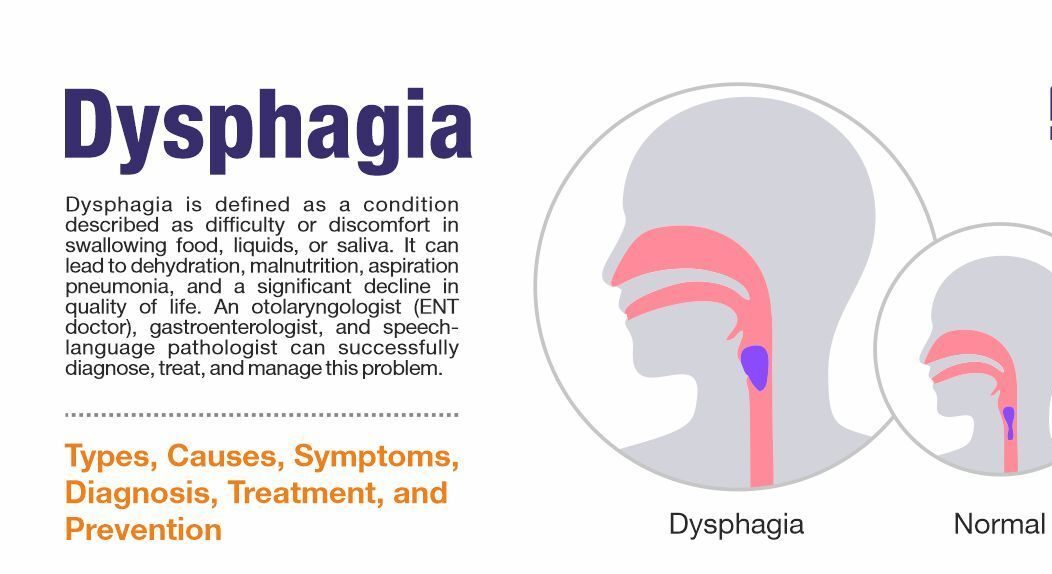
Dysphagia is not just a single condition—it’s a symptom with multiple underlying causes. That’s why dysphagia ICD 10 codes are divided into several categories based on the type and location of swallowing difficulty.
Primary Dysphagia ICD 10 Codes
Here are the most commonly used dysphagia ICD 10 codes:
| Code | Description |
|---|---|
| R13.10 | Dysphagia, unspecified |
| R13.11 | Dysphagia, oral phase |
| R13.12 | Dysphagia, oropharyngeal phase |
| R13.13 | Dysphagia, pharyngeal phase |
| R13.14 | Dysphagia, pharyngoesophageal phase |
| R13.19 | Other dysphagia |
Each of these dysphagia ICD 10 codes provides more specificity, which is critical for proper reimbursement.
Why Specificity Matters
Using a general code like R13.10 might seem convenient, but it can hurt your claims. Insurance companies prefer detailed coding because it reflects better clinical documentation.
When you use the correct dysphagia ICD 10 code:
- Claims are processed faster
- Denials are reduced
- Medical necessity is clearly demonstrated
On the flip side, vague coding can trigger audits or payment delays.
Clinical Context Behind Dysphagia ICD 10
Dysphagia often occurs in patients with:
- Stroke
- Parkinson’s disease
- GERD
- Esophageal strictures
Understanding the clinical background helps coders select the most accurate dysphagia ICD 10 code and link it appropriately to underlying conditions.
Common Mistakes in Dysphagia ICD 10 Coding (And How to Avoid Them)
Even experienced billing professionals can make errors when working with dysphagia ICD 10 codes. Let’s look at the most frequent pitfalls.
Overuse of Unspecified Codes
One of the biggest mistakes is relying too heavily on R13.10. While it’s a valid dysphagia ICD 10 code, it should only be used when documentation lacks detail.
How to fix it:
Encourage providers to document the exact phase of dysphagia.
Ignoring Documentation Requirements
Incomplete documentation is another major issue. Without clear clinical notes, selecting the right dysphagia ICD 10 code becomes guesswork.
Best practice includes documenting:
- Type of dysphagia
- Duration
- Associated conditions
- Diagnostic tests performed
Incorrect Code Pairing
Sometimes, dysphagia is a symptom of another condition. Failing to link the correct diagnosis with dysphagia ICD 10 can lead to claim denials.
For example:
- Dysphagia due to stroke should include both the stroke code and the appropriate dysphagia ICD 10 code.
Upcoding or Downcoding Risks
Using a more severe dysphagia ICD 10 code than supported by documentation can lead to compliance issues. Conversely, undercoding may result in lost revenue.
Lack of Staff Training
Coding guidelines evolve. Without regular training, staff may use outdated dysphagia ICD 10 practices.
Best Practices for Accurate Dysphagia ICD 10 Billing
Mastering dysphagia ICD 10 coding requires more than memorizing codes—it’s about building a reliable workflow.
Focus on Detailed Documentation
Accurate documentation is the backbone of correct dysphagia ICD 10 coding. Providers should clearly describe:
- The swallowing phase affected
- Severity
- Underlying cause
The more detailed the notes, the easier it is to assign the correct dysphagia ICD-10 code.
Use Coding Software and Tools
Modern billing systems can help identify the correct dysphagia ICD-10 code based on documentation. These tools reduce human error and improve efficiency.
Regular Coding Audits
Internal audits help identify patterns of errors in dysphagia ICD-10 usage. This proactive approach prevents recurring issues and improves compliance.
Stay Updated with Guidelines
ICD-10 codes and payer requirements can change. Keeping up with updates ensures your dysphagia ICD-10 coding remains accurate and compliant.
Collaborate with Providers
Strong communication between coders and healthcare providers is essential. If documentation is unclear, always clarify before assigning a dysphagia ICD-10 code.
How Dysphagia ICD-10 Impacts Reimbursement and Claims
The financial side of medical billing is directly influenced by how accurately you use dysphagia ICD-10 codes.
Faster Claim Approvals
Correct dysphagia ICD-10 coding ensures that claims meet payer requirements, leading to quicker approvals.
Reduced Denials
Many claim denials are due to incorrect or incomplete diagnosis codes. Proper use of dysphagia ICD-10 significantly lowers this risk.
Improved Revenue Cycle Management
When dysphagia ICD-10 codes are used correctly:
- Fewer claims are rejected
- Payments are received faster
- Administrative workload is reduced
Compliance and Audit Protection
Accurate dysphagia ICD-10 coding protects your practice during audits. It demonstrates that claims are supported by proper documentation.
Real-World Example
Imagine submitting a claim with R13.10 when the patient actually has oropharyngeal dysphagia. The payer may question medical necessity, leading to delays or denial. Using the correct dysphagia ICD-10 code (R13.12) avoids this issue entirely.

Advanced Tips for Mastering Dysphagia ICD-10 Coding
If you want to take your billing expertise to the next level, these advanced strategies can help.
Understand Related Procedures
Dysphagia often involves diagnostic tests like:
- Modified barium swallow
- Endoscopy
Linking these procedures correctly with dysphagia ICD-10 codes ensures proper reimbursement.
Leverage External Resources
For deeper coding guidelines, refer to authoritative resources like the
ICD-10-CM Official Guidelines.
These guidelines provide detailed instructions on using dysphagia ICD-10 codes correctly.
Create Internal Coding Cheat Sheets
Having a quick reference guide for dysphagia ICD-10 codes can improve accuracy and speed.
Monitor Denial Trends
If you notice repeated denials related to dysphagia ICD-10, analyze the root cause and adjust your process accordingly.
Invest in Training
Ongoing education ensures your team stays updated on best practices for dysphagia ICD-10 coding.
FAQs About Dysphagia ICD-10
What is the ICD 10 code for dysphagia?
The most common dysphagia ICD-10 code is R13.10 (unspecified), but more specific codes like R13.12 are preferred when documentation allows.
Why is specificity important in dysphagia ICD-10 coding?
Specific codes improve claim approval rates and reduce denials by clearly showing medical necessity.
Can dysphagia ICD-10 codes be used as primary diagnosis?
Yes, but often they are used alongside underlying condition codes for better accuracy.
What happens if I use the wrong dysphagia ICD-10 code?
Incorrect coding can lead to claim denials, delays, or compliance issues.
How often do dysphagia ICD-10 codes change?
Updates occur annually, so staying current is essential.
What is the best way to avoid dysphagia ICD-10 errors?
Focus on detailed documentation, regular audits, and continuous training.
Conclusion
Mastering dysphagia ICD-10 coding isn’t just about knowing the codes—it’s about understanding the clinical context, ensuring precise documentation, and following best billing practices.
For a professional billing service like Icon Billing LLC, getting dysphagia ICD-10 right can mean the difference between smooth reimbursements and frustrating denials. By avoiding common mistakes, implementing best practices, and staying updated with guidelines, you can significantly improve your billing performance.