The Ultimate 2026 Guide to DME Billing: Documentation, Coding, Compliance, and Revenue Strategies
Durable Medical Equipment (DME) billing is one of the most complex and heavily regulated areas in healthcare reimbursement. Providers, suppliers, and billing companies face constant challenges—policy changes, documentation gaps, prior authorization delays, denied claims, and increasing audits from Medicare and commercial payers.
If your practice or DME company is struggling with slow payments, repeated denials, or compliance pressure, you’re not alone. That’s why we created this in-depth 2026 guide to help you understand the full landscape of DME billing and how to protect your revenue.
At Icon Billing LLC, we specialize in medical billing services, especially DME billing, and help providers streamline workflows, reduce denials, and get paid faster — consistently and compliantly.
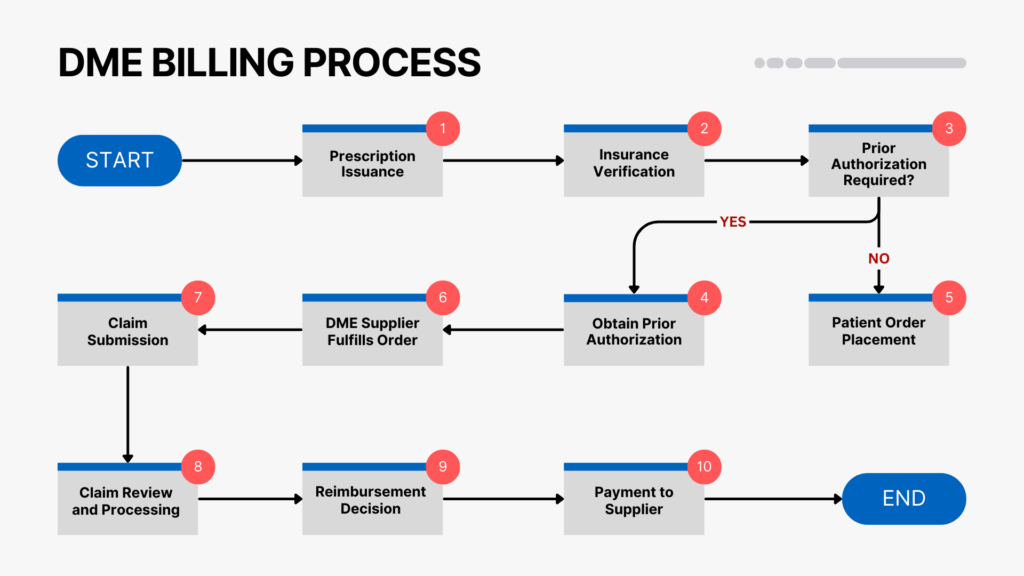
What Is DME? — A Quick Overview
DME (Durable Medical Equipment) includes medical items prescribed by a healthcare provider for long-term use at home to improve patient quality of life.
Common DME items include:
-
Wheelchairs
-
Walkers
-
Oxygen equipment
-
CPAP machines
-
Nebulizers
-
Blood sugar monitors
-
Orthotics and prosthetics
-
Hospital beds
-
Commode chairs
-
Infusion pumps
To be classified as DME, the equipment must be:
-
Durable
-
Used for a medical condition
-
Not useful in the absence of illness
-
Used in the patient’s home
-
Expected to last at least 3 years
Because DME is ordered for long-term patient care, payers enforce strict documentation and medical necessity rules.
Why DME Billing Is So Complicated
Billing for DME involves multiple layers of compliance, including:
-
Medicare policies
-
Local Coverage Determinations (LCDs)
-
Strict documentation rules
-
Prior authorizations
-
Modifier usage
-
Rental vs. purchase rules
-
Supplier standards
-
Proof of delivery
-
Physician involvement
These rules make DME one of the most scrutinized billing categories. Even small mistakes can result in denials or audits.
Types of DME Billing Codes You MUST Understand
Billing for DME relies heavily on HCPCS Level II codes. Examples include:
-
E0601 – CPAP device
-
K0001–K0009 – Wheelchairs
-
E0431/E0433 – Oxygen equipment
-
A7030–A7046 – CPAP supplies
-
E0110–E0118 – Crutches and walkers
Each code is tied to specific:
-
Documentation requirements
-
Rental rules
-
Frequency limits
-
Modifier usage
-
Delivery proof requirements
Incorrect coding is one of the biggest causes of DME denials.
Documentation Requirements for DME Billing
To bill successfully for DME, suppliers must provide:
✔ 1. Physician Written Order / Prescription
Must include:
-
Patient details
-
Equipment description
-
Physician signature
-
Date
✔ 2. Medical Necessity Documentation
Showing the patient needs the DME equipment.
✔ 3. Face-to-Face Encounter Notes (if required)
Medicare requires F2F exams for many DME categories.
✔ 4. Proof of Delivery
Signed delivery receipts with dates and serial numbers.
✔ 5. Supplier Standards Compliance
CMS requires adherence to all DME supplier standards.
Missing any of these can cause denials or recoupments.
Rental vs. Purchase — A Key DME Rule
Many DME items have different billing rules:
Rental Items (Monthly Billing)
Equipment like oxygen and wheelchairs often fall under capped rental categories.
Purchase Items (One-Time Billing)
Items like walkers and braces are typically purchased.
Understanding rental vs. purchase rules helps providers avoid repeated denials and ensures proper billing cycles.
The Role of Modifiers in DME Billing
Modifiers are crucial in DME billing. Some common ones include:
-
RR – Rental
-
NU – New equipment
-
MS – Maintenance and servicing
-
KX – Documentation is on file
-
GA – Waiver of liability signed
-
GY – Non-covered item
Incorrect modifier usage can lead to automatic denials — especially in DME billing.
Prior Authorization in DME Billing
Many payers require prior authorization for DME, including:
-
Knee braces
-
Wheelchairs
-
Oxygen equipment
-
CPAP machines
-
Certain orthotics
-
Diabetic supplies
Prior authorization protects the supplier but delays the process. Missing a PA is one of the fastest ways to lose revenue in DME billing.
9 Costly DME Billing Mistakes Destroying Revenue
Providers and suppliers commonly make errors that severely affect DME cash flow. Here are the top issues:
❌ 1. Missing or Incomplete Medical Necessity Documents
If the payer cannot verify that the DME is medically necessary, the claim is denied instantly.
❌ 2. Incorrect HCPCS Codes
DME billing codes are extremely specific; even minor errors cause claim rejections.
❌ 3. Wrong Modifiers
Modifiers like RR, NU, and KX must match documentation exactly.
❌ 4. Incomplete Proof of Delivery
Missing signatures can trigger audits.
❌ 5. Expired Prescriptions
Many DME categories have time-sensitive orders.
❌ 6. Missing Prior Authorization
This is one of the biggest and most expensive DME billing problems.
❌ 7. Wrong Diagnosis Codes
Diagnosis codes must match exactly with the DME billed.
❌ 8. Lack of Supplier Standard Compliance
CMS frequently audits DME providers.
❌ 9. Poor Documentation from Physicians
Missing clinical notes cause repeated delays and denials for DME claims.
How Icon Billing LLC Improves Your DME Revenue
At Icon Billing LLC, we specialize in DME billing and follow a strict, optimized process to ensure clean claims, faster payments, and maximum reimbursement.
Our Proven DME Billing Process
✔ 1. Eligibility & Benefits Verification
We verify:
-
Coverage
-
Co-pay
-
Deductibles
-
Rental vs purchase
-
Prior authorization rules
✔ 2. DME Document Collection
We gather:
-
Prescriptions
-
Face-to-face notes
-
Medical necessity forms
-
Supplier standard documents
✔ 3. Prior Authorization Submission
Our team handles all payer-required DME authorizations.
✔ 4. Accurate DME Coding
We use correct:
-
HCPCS codes
-
ICD-10 codes
-
Modifiers
✔ 5. Clean Claim Submission
We ensure every DME claim meets payer rules to avoid denials.
✔ 6. Real-Time Claim Tracking
We follow up daily with payers.
✔ 7. Denial Management & Appeals
If a DME claim is denied, we appeal with:
-
Corrected claims
-
Additional documentation
-
Medical necessity justification
✔ 8. Monthly Reporting
We send transparent billing performance reports so you can see your DME revenue in real time.
Why Choose Icon Billing LLC for DME Billing?
-
10+ years of billing experience
-
Dedicated DME billing experts
-
Accurate coding
-
Faster payments
-
Zero tolerance for denials
-
Affordable pricing
-
Complete compliance
-
24/7 support
We treat your DME billing as if it were our own.
Future of DME Billing in 2026 and Beyond
The DME industry continues to grow due to:
-
Aging population
-
Increase in chronic diseases
-
Home-based care trends
-
Digital health expansion
-
Remote monitoring devices
As regulations tighten, DME billing will require even more accuracy and compliance. Providers who invest in professional billing support will avoid costly errors and ensure sustainable revenue.
Final Thoughts
The DME billing landscape is complex — from documentation and coding to payer rules and audits. One mistake can delay payments or lead to financial losses.
But with the right processes, expert billing support, and compliance strategies, DME suppliers can achieve:
-
Faster reimbursements
-
Fewer denials
-
Stronger revenue cycles
-
Better patient support
At Icon Billing LLC, we’re here to help your DME business thrive in 2026 and beyond.