Introduction to Dental CPT Codes
Dental billing can be a complex and often overwhelming process for many dental practitioners and their staff. Understanding the intricacies of coding is essential for accurate billing, reducing claim denials, and ensuring timely reimbursements. One critical component in this process is Dental CPT codes. These codes serve as the foundation for all dental services provided and allow insurance companies to process claims accurately.
In this comprehensive guide, we’ll dive deep into Dental CPT codes, their importance, how to use them effectively, and tips for optimizing your billing practices. Whether you’re just starting in the dental field or have years of experience, this blog will help you navigate the complexities of CPT coding with ease.
What Are Dental CPT Codes?
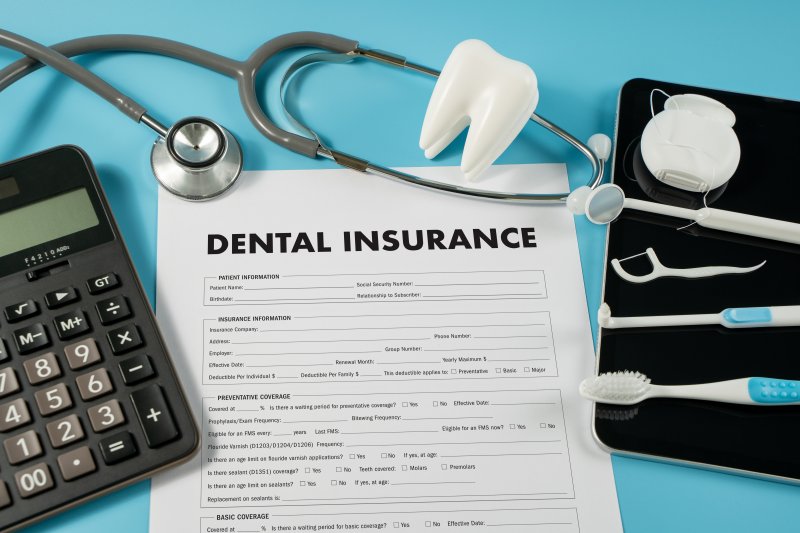
CPT stands for Current Procedural Terminology, and it is a set of codes used to describe medical, surgical, and diagnostic services. In the dental world, Dental CPT codes are used to categorize dental procedures for the purpose of billing and insurance claims. These codes are essential for ensuring that dental practices are reimbursed correctly and efficiently by insurance providers.
It’s important to note that while dental procedures are often considered under the umbrella of healthcare, the coding for these services is separate from general medical CPT codes. Dental CPT codes specifically address procedures such as cleanings, fillings, root canals, crowns, and other dental treatments.
Why Are Dental CPT Codes Important?
Accurate Billing
The most immediate benefit of correctly using Dental CPT codes is that they ensure accurate billing. If you use the wrong code or fail to use a code at all, it can lead to claim denials, delays in payments, or reduced reimbursements. Proper use of CPT codes helps guarantee that you are reimbursed for all the services you’ve provided.
Streamlined Claims Process
Using Dental CPT codes also streamlines the claims process. Insurance companies use these codes to quickly identify and process claims, reducing the time it takes to receive payments. Additionally, accurate coding helps prevent billing errors, ensuring that claims are processed without unnecessary delays.
Compliance with Industry Standards
In the dental industry, there are strict compliance regulations that dental practitioners must follow. Using Dental CPT codes correctly is a part of adhering to these regulations. Incorrect coding can lead to audits, fines, or even legal issues. Ensuring your practice is compliant with these codes helps avoid unnecessary risks.
How to Find and Use Dental CPT Codes
Dental CPT codes can be found in various resources, such as the American Dental Association (ADA) codebook, as well as on various online platforms. The ADA provides a detailed list of codes that are used in the dental field, categorized by procedure type.
When selecting a code for a procedure, it’s crucial to ensure that it accurately reflects the service you provided. This can require some research or consultation with your office’s billing specialist. Many common procedures have dedicated Dental CPT codes, but more complex treatments may require a combination of codes to cover multiple services.
Common Dental CPT Codes and Their Uses
Preventive Care CPT Codes
- D0120: Periodic Oral Evaluation – A code used for routine checkups and examinations to assess the health of the patient’s teeth and gums.
- D1110: Prophylaxis – Adult – Used for teeth cleanings on adult patients.
- D1120: Prophylaxis – Child – Used for teeth cleanings on pediatric patients.
Restorative Care CPT Codes
- D2140: Amalgam Restoration – 1 Surface, Permanent – This code is used for filling cavities with amalgam material.
- D2330: Resin-Based Composite Restoration – 1 Surface, Anterior – A code used for filling cavities with composite materials.
Endodontics (Root Canal) CPT Codes
- D3310: Endodontic Therapy – Anterior Tooth – Used for root canal therapy on front teeth.
- D3320: Endodontic Therapy – Bicuspid Tooth – Used for root canal therapy on bicuspid teeth.
Prosthodontics (Crowns, Bridges, and Dentures) CPT Codes
- D2740: Porcelain Crown – A code used for dental crowns made from porcelain.
- D5120: Complete Denture – Upper – Used for a complete upper denture.
By knowing which Dental CPT codes apply to the services you’re providing, you can avoid billing errors and streamline the insurance claims process.
How to Ensure Accurate Use of Dental CPT Codes
Ensuring the accuracy of Dental CPT codes requires a few key practices:
- Stay Updated: Codes can change frequently. Make sure you’re always using the most current codes by staying updated with the latest codebooks and resources.
- Train Your Team: It’s vital that everyone involved in the billing process is trained on how to use Dental CPT codes correctly.
- Double Check Before Submitting: Before submitting any claims, always double-check the codes you’re using to ensure they match the procedures performed.
Tips for Dental Billing Optimization with CPT Codes
Use Software Tools
There are numerous dental billing software tools available that help automate the process of assigning Dental CPT codes. These tools can be incredibly helpful in reducing human error and speeding up the billing process.
Familiarize Yourself with Cross-Coding
In some cases, Dental CPT codes may need to be “cross-coded” into medical codes for certain treatments. For example, if a dental treatment is being billed to a medical insurance provider (for treatments like oral surgery), it might require a different set of codes. Understanding how to navigate both dental and medical codes is crucial for maximizing reimbursements.
Keep Detailed Documentation
Accurate documentation is essential for supporting the Dental CPT codes used in a claim. Be sure to keep detailed records of all procedures performed, including notes on the patient’s treatment plan, as this will help ensure that insurance providers process claims without any issues.
Conclusion
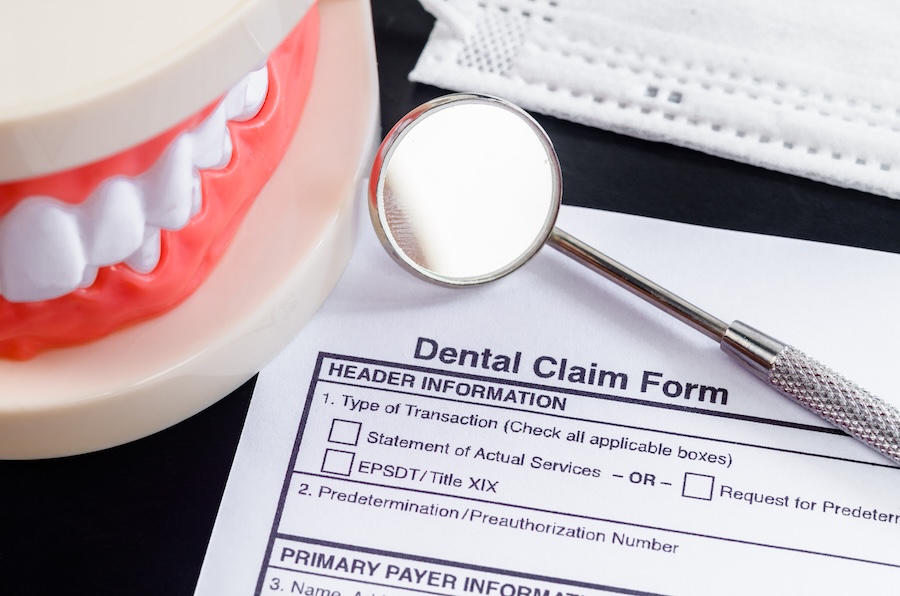
In conclusion, Dental CPT codes are a critical aspect of the dental billing process. Understanding these codes, how they work, and how to use them effectively can streamline your practice’s billing, ensure accurate claims submissions, and ultimately lead to faster reimbursements.
Whether you’re a dentist, office manager, or billing specialist, staying informed and diligent with co ding practices is essential. By mastering Dental CPT codes, you can significantly reduce errors, improve your practice’s cash flow, and ensure a smooth, hassle-free experience for your patients.
Call to Action (CTA):
If you’re looking to improve your dental billing processes and streamline the use of Dental CPT codes, let the experts at Icon Billing LLC assist you. Contact us today for a consultation on how we can help optimize your billing system!