
The Ultimate Guide to CPT Code Lookup: A Complete Resource for Medical Billing
In the world of medical billing, precision is everything. One of the most crucial aspects of accurate medical billing is the correct use of CPT codes. These codes play a significant role in healthcare as they standardize medical procedures and services for billing purposes. A CPT code lookup is essential for healthcare providers, medical billers, and coders to ensure correct billing practices. This guide will explore everything you need to know about CPT code lookup to streamline your billing process and enhance your practice’s efficiency.
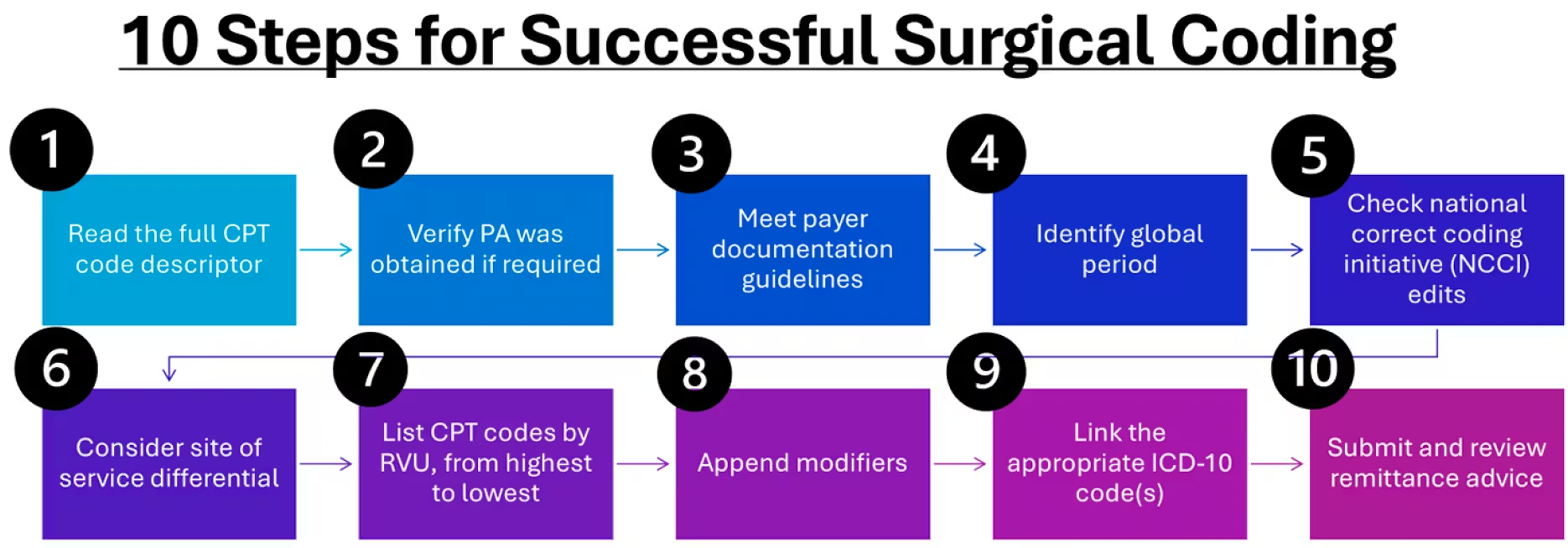
What is a CPT Code?
A CPT code (Current Procedural Terminology code) is a five-digit code used by healthcare providers to describe medical, surgical, diagnostic, and therapeutic services and procedures. The American Medical Association (AMA) developed and maintains these codes. The primary goal of CPT codes is to standardize the language used in billing, making it easier to communicate between providers, insurance companies, and patients.
CPT code lookup allows medical professionals to find the specific code associated with a particular procedure or service. These codes are essential for insurance claims and accurate billing, ensuring that healthcare providers get reimbursed appropriately for their services.
Why Is CPT Code Lookup Important in Medical Billing?
A CPT code lookup is more than just a tool for finding codes—it’s a critical component of the entire billing process. By using the correct codes, medical billers and coders ensure:
- Accurate Reimbursement: Insurance companies rely on CPT codes to determine the reimbursement for services rendered. Using the wrong code can result in delayed payments or denials.
- Avoiding Errors and Audits: Incorrect CPT codes can lead to billing errors, which can raise flags during audits. Proper CPT code lookup can help avoid these pitfalls.
- Better Communication: Having a uniform system of codes ensures clear communication between healthcare providers, insurance companies, and patients.
- Compliance: Healthcare providers must comply with coding standards to avoid legal and financial consequences. Using accurate codes through a CPT code lookup is vital for regulatory compliance.
How to Perform a CPT Code Lookup
Performing a CPT code lookup can seem daunting at first, but with the right tools and understanding, it becomes a straightforward task. Here’s a simple guide to help you perform a CPT code lookup effectively:
- Use a Reliable CPT Code Lookup Tool: There are various online databases and resources available for performing CPT code lookups. Many of these tools offer detailed descriptions of the codes, including the procedures and services they correspond to.
- Search by Procedure or Service: To find a specific code, you can search by the name of the procedure or service. Many databases allow you to enter keywords or procedure descriptions to locate the correct CPT code.
- Use the Code Lookup for Modifiers: In some cases, a modifier may be necessary to specify the particular circumstances of the procedure. For example, certain modifiers indicate whether a service was performed in a particular setting or if it was an unusual procedure.
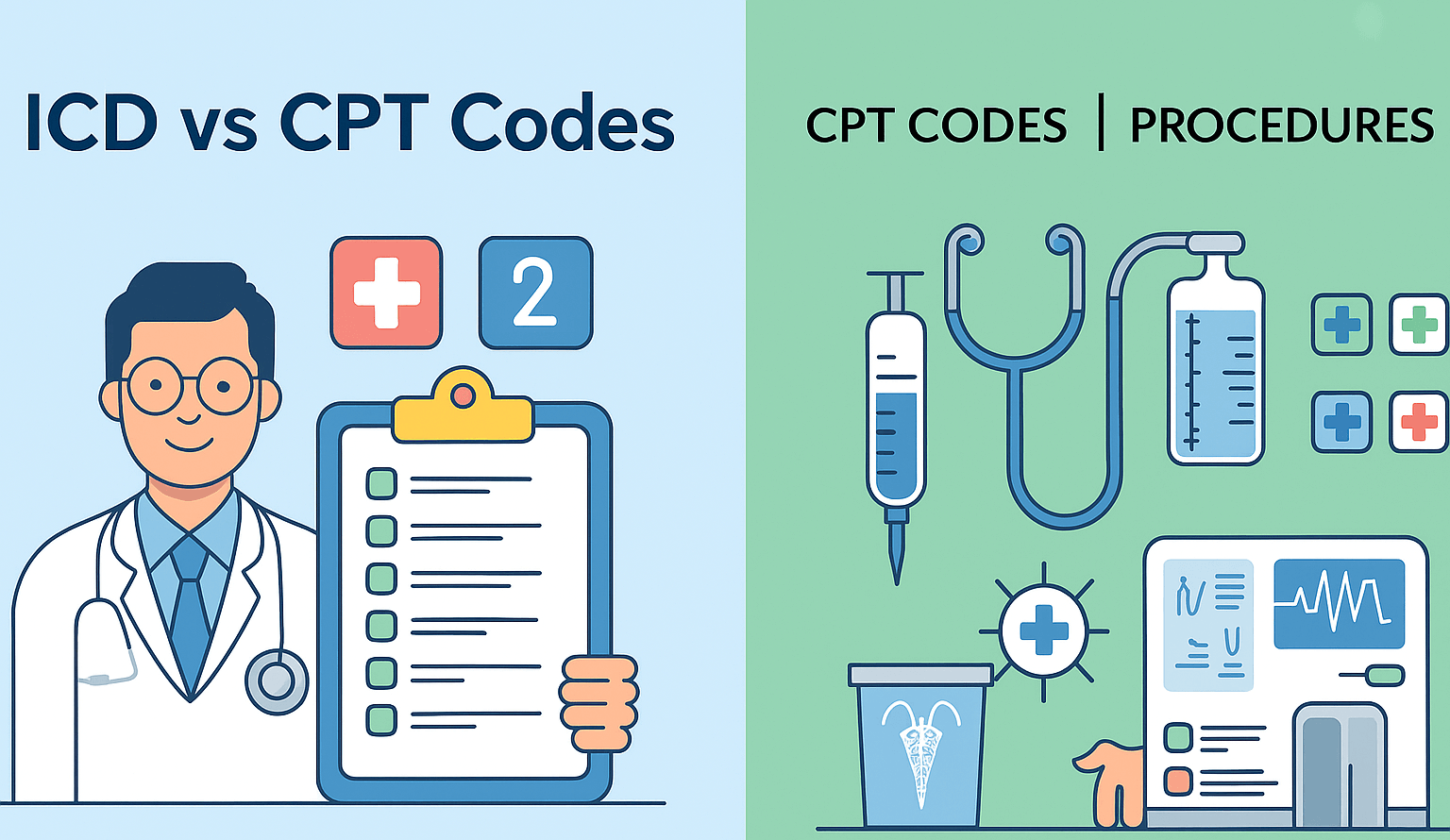
- Cross-check with ICD-10 Codes: Sometimes, a CPT code lookup may require a cross-reference with ICD-10 codes (diagnostic codes). Ensure that the CPT code aligns with the patient’s diagnosis.
- Stay Updated: CPT codes change frequently. Ensure that the CPT code lookup tool you use is updated regularly to reflect the latest revisions in medical billing standards.
Commonly Used CPT Codes in Medical Billing
There are thousands of CPT codes, but here are some of the most commonly used ones in medical billing:
- 99213: Office or other outpatient visit for the evaluation and management of an established patient
- 99214: Office or other outpatient visit for the evaluation and management of an established patient, moderate complexity
- 10021: Fine needle aspiration biopsy, without imaging guidance
- 27096: Injection of anesthetic agent into the joint
- 93000: Electrocardiogram, routine, with interpretation and report
- 81002: Urinalysis, non-automated, with microscopy
By using a CPT code lookup, medical billers can easily locate these and other codes when submitting claims to insurance providers.
How to Avoid Common CPT Code Lookup Mistakes
Even with the help of a CPT code lookup, errors can still occur. To avoid these common pitfalls, follow these tips:
- Don’t Rush the Lookup: Taking your time to carefully look up the code will reduce the likelihood of errors. Double-check your selections to ensure that the code matches the service performed.
- Ensure Correct Code Version: Always ensure you’re using the latest version of the CPT code list. The AMA periodically updates codes to reflect new procedures and technologies, and staying current is essential for accurate billing.
- Understand the Code’s Full Description: Sometimes a code may seem to fit, but upon closer inspection, it may not align with the services provided. Always read the full description of the CPT code during your lookup process.
- Utilize Resources for Clarification: If you’re unsure about a code, consult with other medical billing professionals or seek clarification through resources like coding books or online forums.
How a CPT Code Lookup Enhances Your Medical Billing Process
Incorporating a CPT code lookup tool into your billing process can vastly improve the efficiency and accuracy of your practice’s claims submissions. Here’s how:
- Streamlined Workflow: Quickly finding the correct codes reduces the time spent on each claim, speeding up the overall billing process.
- Fewer Claim Denials: Accurate CPT code usage ensures fewer denials due to coding errors, reducing the need for resubmissions.
- Cost Efficiency: By using the correct codes from the start, you avoid wasting time and resources on correcting errors later in the process.
The Role of CPT Code Lookup in Insurance Reimbursements
For healthcare providers, the goal is to receive timely reimbursement for their services. CPT code lookup plays a significant role in achieving this goal. Incorrect codes can delay the reimbursement process, leading to cash flow issues. Properly identifying and using the correct CPT codes ensures that healthcare providers are paid accurately and promptly for the services they provide.
Insurance companies rely on CPT codes to determine how much to reimburse providers for services rendered. A correct CPT code lookup ensures that the insurance company understands the specifics of the service, leading to fewer disputes and quicker payments.
Conclusion
Performing a CPT code lookup may seem like a small part of the medical billing process, but it’s a crucial task that can have a significant impact on your practice’s efficiency and bottom line. By ensuring you’re using the correct codes, you reduce the risk of errors, audits, and claim denials. This not only streamlines your billing process but also helps maintain a healthy cash flow by ensuring timely and accurate insurance reimbursements.
By following this guide and utilizing a reliable CPT code lookup tool, you’ll be well on your way to mastering medical billing and boosting the overall efficiency of your practice. Always stay informed about the latest changes in CPT codes to ensure that your coding is up-to-date and compliant with the highest standards.