Understanding COPD ICD 10: Diagnosis, Billing Codes, and Treatment Insights
Chronic Obstructive Pulmonary Disease (COPD) is a serious lung condition that affects millions of people worldwide. As a complex and progressive disease, COPD requires accurate diagnosis and treatment to ensure proper care. One critical element in managing COPD is understanding the coding system used in medical billing, particularly the COPD ICD 10 codes. In this blog post, we will dive deep into the details of COPD ICD 10 codes, their significance, and how they impact the healthcare industry, especially in medical billing.
What Is COPD?
COPD, or Chronic Obstructive Pulmonary Disease, is a group of lung diseases, including chronic bronchitis and emphysema, which cause airflow obstruction and breathing difficulties. It is one of the leading causes of morbidity and mortality globally, particularly among smokers and people over the age of 40. COPD is progressive, meaning it worsens over time, and it is characterized by chronic symptoms such as shortness of breath, coughing, wheezing, and chest tightness.
Understanding the Importance of COPD ICD 10 Codes
In healthcare, proper diagnosis and accurate coding are critical for the correct treatment and billing. The ICD-10 (International Classification of Diseases, 10th edition) system is used by medical professionals to classify and code all diagnoses, symptoms, and procedures. For COPD ICD 10 codes, the system helps physicians and healthcare providers identify and document the disease for medical records and insurance claims.
The COPD ICD 10 code allows healthcare providers to specify the severity and type of COPD a patient has, which is essential for both accurate diagnosis and appropriate billing. Let’s take a closer look at the most common COPD ICD 10 codes and their significance in medical billing.
Common COPD ICD 10 Codes
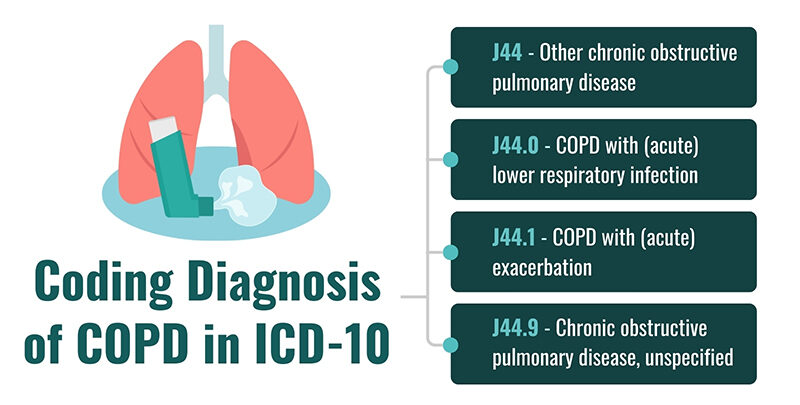
There are several specific COPD ICD 10 codes that healthcare providers must use for accurate diagnosis. These codes are grouped into various categories depending on the patient’s condition. Here are the most frequently used COPD ICD 10 codes:
-
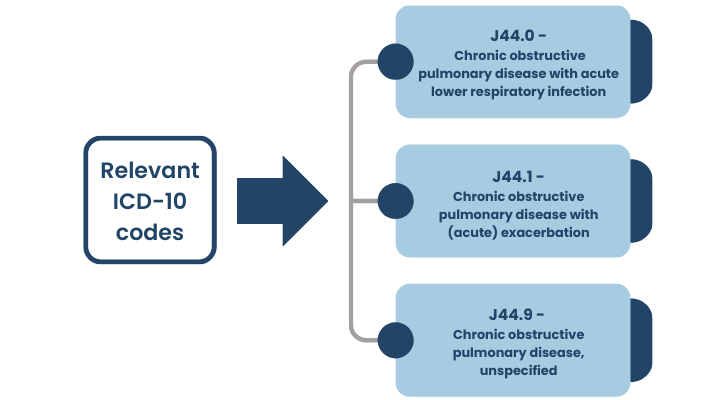
J44.0 – Chronic Obstructive Pulmonary Disease with Acute Lower Respiratory Infection
-
This code is used when a patient has both COPD and an acute lower respiratory infection like pneumonia or bronchitis. It’s important for accurately billing for both the COPD condition and any infections the patient may be experiencing.
-
-
J44.1 – Chronic Obstructive Pulmonary Disease with Acute Exacerbation
-
This code is used when the COPD symptoms worsen, typically due to triggers like infections, pollutants, or weather changes. It’s important to use this code to reflect the severity of the disease when it flares up.
-
-
J44.9 – Chronic Obstructive Pulmonary Disease, Unspecified
-
This code is used when a physician cannot specify the exact nature or type of COPD. It is the most general code and is often used when further testing or diagnosis is needed.
-
-
J43.9 – Emphysema, Unspecified
-
Emphysema is a type of COPD that results in the destruction of the air sacs in the lungs. This code is used when a patient’s COPD diagnosis involves emphysema but without specific details.
-
-
J44.2 – Chronic Obstructive Pulmonary Disease with Acute Bronchitis
-
If a patient with COPD develops acute bronchitis, this code should be used to indicate the presence of both conditions for accurate billing and treatment planning.
-
How COPD ICD 10 Codes Impact Medical Billing
Accurate medical billing is essential for ensuring that healthcare providers are reimbursed for the services they provide. When it comes to COPD ICD 10 codes, using the correct code ensures that insurance companies and Medicare properly process claims. If the wrong code is used, it can result in claim denials, payment delays, or even penalties.
-
Ensures Accurate Reimbursement: Using the appropriate COPD ICD 10 code ensures that healthcare providers are reimbursed for the services rendered. For example, if a patient has an exacerbation of COPD (J44.1), the healthcare provider can accurately bill for more intensive care and treatment.
-
Reduces Claim Denials: Incorrect or incomplete coding is one of the leading causes of claim denials in the healthcare industry. By using the correct COPD ICD 10 codes, providers can avoid denials and minimize the risk of delayed payments.
-
Improves Patient Care: Accurate coding helps healthcare providers track the progression of the disease, which is essential for effective treatment planning. It also allows physicians to provide personalized care based on the severity of COPD.
-
Helps with Compliance: Adhering to the correct COPD ICD 10 coding standards helps healthcare providers comply with regulatory requirements, avoiding legal and financial issues.
COPD Treatment and How ICD 10 Codes Affect Treatment Plans
Once a proper COPD ICD 10 code is assigned, healthcare providers can better tailor treatment plans to a patient’s specific condition. For instance, a patient diagnosed with COPD ICD 10 code J44.0 (COPD with acute lower respiratory infection) will likely receive antibiotics and other treatments to address the infection in addition to COPD management.
COPD ICD 10 codes also play a role in the management of other health conditions that may be linked to COPD, such as heart disease, diabetes, or lung cancer. Accurate coding ensures that these comorbidities are addressed appropriately and that the patient receives the best care possible.
Here are some common treatment options that may be indicated depending on the COPD ICD 10 code:
-
Medications:
-
Bronchodilators: These drugs help to open airways and make it easier for patients to breathe.
-
Inhaled Steroids: Used to reduce inflammation in the lungs.
-
Oxygen Therapy: For patients with severe COPD who have low oxygen levels.
-
Antibiotics: To treat respiratory infections, particularly if the patient is diagnosed with a condition like J44.0.
-
-
Pulmonary Rehabilitation:
-
A comprehensive program that includes exercise training, education, and support for COPD patients to help them manage their symptoms and improve their quality of life.
-
-
Surgical Options:
-
In advanced cases of COPD, surgical treatments such as lung volume reduction surgery or lung transplantation may be considered.
-
-
Lifestyle Changes:
-
Smoking cessation and lifestyle modifications are critical for slowing the progression of COPD. Smoking cessation is particularly important for individuals with COPD ICD 10 codes related to emphysema (J43.9).
-
The Role of Medical Coders and Billers in COPD ICD 10 Codes
For healthcare providers, accurate coding for COPD is essential to ensure proper reimbursement and compliance. Medical coders and billers play a critical role in assigning the right COPD ICD 10 codes. These professionals must stay updated on the latest coding guidelines, as the ICD-10 system is periodically updated to reflect new diseases and treatment options.
If you’re a medical coder or biller, staying familiar with COPD ICD 10 codes is essential to ensure the accuracy of your claims. Mistakes can result in delayed payments or penalties, which can negatively impact the financial health of your practice.
How Icon Billing LLC Can Help
At Icon Billing LLC, we specialize in medical billing services for healthcare providers across various specialties. Our team is experienced in working with COPD ICD 10 codes and can help ensure that your claims are submitted accurately and promptly. We understand the complexities of coding for COPD and can provide expert support for your practice.
If you’re looking for a reliable medical billing partner, Icon Billing LLC is here to help you navigate the complexities of billing and coding for COPD. We help healthcare providers maximize reimbursement, reduce denials, and streamline their billing process. Contact us today to learn how we can support your practice!
Conclusion
Understanding and using the correct COPD ICD 10 codes is crucial for healthcare providers to ensure accurate diagnosis, effective treatment, and proper reimbursement. With the right coding, medical practices can avoid claim denials, improve patient care, and stay compliant with industry regulations.
If you’re unsure about how to properly use COPD ICD 10 codes, partnering with a professional billing service like Icon Billing LLC can ensure your practice stays on track. Our experienced team is ready to assist with all your billing and coding needs, allowing you to focus on delivering the best care to your patients.