
Understanding CHF ICD 10: A Comprehensive Guide for Accurate Medical Billing
Chronic heart failure (CHF) is one of the most prevalent conditions in the United States, impacting millions of individuals. Medical professionals need to accurately diagnose and document CHF for correct treatment plans and effective billing practices. One key component of this process is using the correct codes, particularly the CHF ICD 10 code.
In this blog post, we’ll delve into what CHF is, how to use the CHF ICD 10 code, and why accurate coding is crucial for both healthcare providers and patients. We’ll explore the different ICD 10 codes related to CHF and how they can impact the medical billing process, ensuring timely reimbursements and reducing the risk of claim denials.
What is CHF and Why Does it Matter?
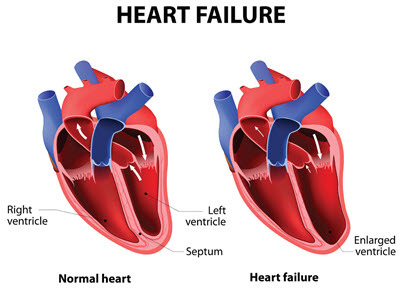
Chronic Heart Failure (CHF) refers to the condition in which the heart is unable to pump blood efficiently, leading to fluid buildup in the body. This condition can significantly impair a patient’s quality of life, requiring ongoing medical care and attention.
Understanding CHF ICD 10 codes is vital for healthcare providers, as these codes determine how services are billed, which impacts reimbursement. Medical billing and coding are integral in ensuring that providers are paid for the services they offer, which is why knowing the CHF ICD 10 codes is essential for accuracy in the process.
The Importance of ICD 10 Codes in Medical Billing
ICD 10 (International Classification of Diseases, 10th Revision) codes are used worldwide to classify and record diagnoses and conditions. The ICD 10 system allows healthcare providers to standardize the way they report diseases and conditions, ensuring consistency and accuracy in patient documentation.
In the case of CHF, CHF ICD 10 codes help define the severity, type, and cause of heart failure. Accurate CHF ICD 10 coding is crucial to ensuring appropriate treatment and billing. Incorrect coding can lead to claim denials or delayed reimbursements, which is why healthcare professionals must stay up-to-date with the correct codes.
Key CHF ICD 10 Codes You Should Know
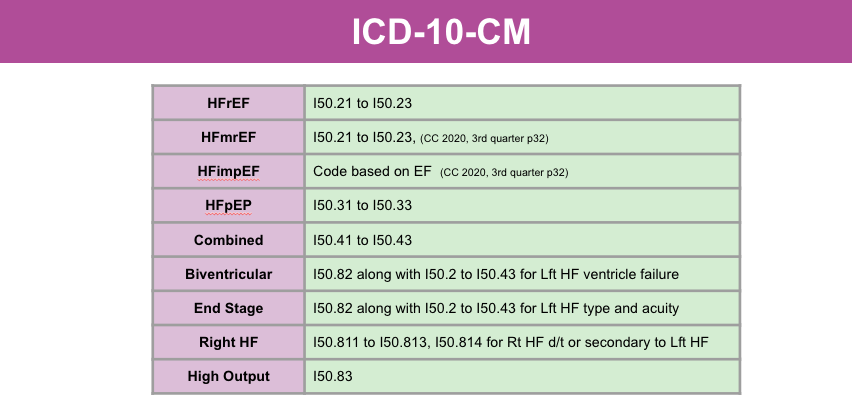
There are several ICD 10 codes that relate to different stages and types of CHF. Some of the most commonly used CHF ICD 10 codes include:
-
I50.1: Left Ventricular Failure
-
I50.9: Heart Failure, Unspecified
-
I50.2: Systolic (Congestive) Heart Failure
-
I50.3: Diastolic Heart Failure
-
I50.4: Combined Systolic and Diastolic Heart Failure
Each of these CHF ICD 10 codes has a specific use depending on the patient’s condition. It’s important to note that each subtype of heart failure has its own ICD 10 code, which is necessary for proper medical billing.
For example, if a patient is diagnosed with systolic heart failure, the ICD 10 code I50.2 should be used, whereas if the condition involves both systolic and diastolic failure, I50.4 is the appropriate code. Understanding these distinctions can significantly affect the billing and reimbursement process.
How Accurate CHF ICD 10 Coding Affects Reimbursement
Proper use of CHF ICD 10 codes directly impacts the financial health of a medical practice. When codes are correctly assigned, the likelihood of claim approval increases, and the payment cycle speeds up. However, if the coding is incorrect or ambiguous, the claim may be rejected, requiring resubmission with proper documentation.
Accurate CHF ICD 10 coding helps healthcare providers get reimbursed for the care they provide. It also helps insurers process claims quickly and efficiently, ensuring that patients’ medical needs are met without unnecessary delays.
Common Errors in CHF ICD 10 Coding
Incorrect coding of CHF can lead to several issues, including claim denials, delayed reimbursements, and possible audits. Here are some common errors that can occur when using CHF ICD 10 codes:
-
Wrong code for the type of CHF: As we discussed earlier, there are multiple types of heart failure. Assigning the wrong CHF ICD 10 code could result in inaccurate billing, and the insurer may not cover the claim.
-
Failure to use the most specific code: It’s important to choose the most specific ICD 10 code available. For example, failing to differentiate between systolic and diastolic heart failure can result in a claim denial.
-
Incorrect coding of coexisting conditions: Many patients with CHF have other conditions, such as hypertension or diabetes. These conditions should also be coded accurately to ensure proper reimbursement.
Avoiding these common errors is crucial for ensuring accurate billing and maintaining a healthy revenue cycle for medical practices.
Why You Should Rely on Experts for CHF ICD 10 Coding
Navigating CHF ICD 10 codes can be complex, and relying on professionals to manage your medical billing process is crucial. Certified medical coders and billing experts understand the nuances of ICD 10 coding and can ensure your practice uses the most accurate and up-to-date codes.
Here are some benefits of working with medical billing experts:
-
Accuracy: They ensure all codes are assigned correctly, reducing the risk of claim rejections or denials.
-
Time-saving: Medical billing experts can handle the complexity of the coding process, allowing healthcare providers to focus on patient care.
-
Improved cash flow: Correct coding leads to faster reimbursement, which helps maintain a steady cash flow for medical practices.
-
Compliance: Medical billing professionals stay current on changes to ICD 10 codes, ensuring your practice remains compliant with all regulations.
The Role of Technology in CHF ICD 10 Coding
Advancements in technology have made it easier for healthcare providers to accurately code and bill for services. Medical billing software can automatically generate CHF ICD 10 codes based on the patient’s diagnosis, minimizing human error and speeding up the billing process. However, it’s essential that providers still review these codes to ensure accuracy.
Software solutions can also help track codes and claims, making it easier to monitor reimbursements and identify any issues in the billing process. By integrating the latest billing technology into your practice, you can streamline your workflow and reduce administrative burdens.
Conclusion: The Vital Role of CHF ICD 10 in Medical Billing
In conclusion, understanding and using the correct CHF ICD 10 codes is essential for accurate medical billing. By ensuring proper code assignment, healthcare providers can avoid costly mistakes, reduce claim denials, and ensure timely reimbursements.
The importance of CHF ICD 10 coding cannot be overstated. By staying up-to-date on coding guidelines and working with experts, healthcare providers can focus on what matters most—providing quality care to their patients.
For those in the medical billing field, understanding the nuances of CHF ICD 10 codes will help keep your practice compliant and financially healthy. If you need assistance with your medical billing, Icon Billing LLC is here to help you navigate the complexities of coding and ensure your practice runs smoothly.
Optimizing Your Billing Process with Icon Billing LLC
At Icon Billing LLC, we specialize in accurate medical billing services, ensuring that your practice stays compliant and maximizes reimbursements. Contact us today to learn how we can help you with your CHF ICD 10 coding and other billing needs.