12 Powerful Cancer ICD 10 Coding Tips: Avoid Costly Billing Errors and Improve Claim Accuracy
Introduction
Accurate medical coding is the foundation of efficient healthcare reimbursement, and nowhere is this more important than in oncology. Cancer treatments often involve complex diagnoses, multiple specialists, advanced procedures, and long-term patient management. Because of this complexity, healthcare providers and medical billing companies must understand cancer icd 10 coding requirements to ensure accurate claim submission and timely reimbursement.
The cancer icd 10 system provides standardized diagnosis codes used to classify different types of cancers, their locations, and associated medical conditions. These codes help healthcare providers communicate diagnoses clearly while allowing insurance companies and government programs to process claims consistently.
Incorrect cancer icd 10 coding can result in claim denials, delayed reimbursements, compliance issues, and administrative burdens. On the other hand, accurate coding improves revenue cycle performance, enhances clinical documentation, and supports better patient care.
At Icon Billing LLC, we understand the challenges healthcare organizations face when managing oncology billing and coding. This comprehensive guide explores everything you need to know about cancer icd 10, including common codes, documentation requirements, billing challenges, and best practices for achieving coding accuracy.
What Is Cancer ICD 10?
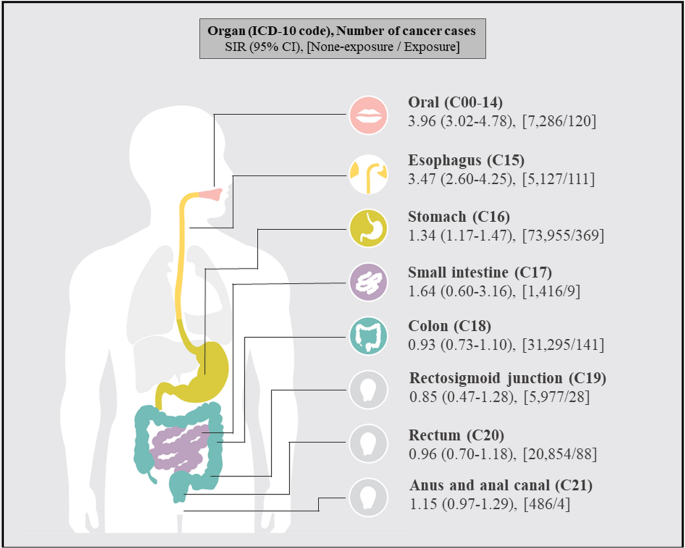
Cancer icd 10 refers to the diagnosis codes found within the International Classification of Diseases, Tenth Revision (ICD-10), specifically related to malignant neoplasms and cancer-related conditions.
The ICD-10 system is used worldwide to classify diseases and medical conditions.
Healthcare providers rely on cancer icd 10 codes to:
- Document diagnoses
- Submit insurance claims
- Track treatment outcomes
- Maintain patient records
- Support healthcare research
- Ensure reimbursement accuracy
The use of standardized cancer icd 10 codes promotes consistency across healthcare systems and insurance providers.
For oncology practices, mastering cancer icd 10 coding is essential for operational success.
Why Cancer ICD 10 Is Important
Accurate cancer icd 10 coding impacts nearly every aspect of oncology care.
Accurate Claim Submission
Insurance companies require valid cancer icd 10 codes before processing claims.
Proper Reimbursement
Correct coding improves reimbursement accuracy and reduces delays.
Clinical Documentation
The cancer icd 10 system supports detailed patient records and treatment histories.
Regulatory Compliance
Healthcare organizations must comply with coding standards and billing regulations.
Healthcare Analytics
Researchers and healthcare organizations use cancer icd 10 data to analyze disease trends and outcomes.
These benefits demonstrate why accurate coding is essential for oncology practices.
Understanding the Structure of Cancer ICD 10 Codes
The cancer icd 10 system organizes diagnoses using alphanumeric codes.
Most malignant neoplasms fall within the range:
- C00 to C96
Examples include:
- C50 – Breast cancer
- C34 – Lung cancer
- C61 – Prostate cancer
- C18 – Colon cancer
- C25 – Pancreatic cancer
- C71 – Brain cancer
Each cancer icd 10 code provides specific information about:
- Cancer location
- Tumor type
- Laterality
- Disease characteristics
The more precise the cancer icd 10 code, the more accurate the billing and documentation.
Common Cancer ICD 10 Categories
Healthcare providers frequently use various cancer icd 10 categories.
Breast Cancer
Breast cancer diagnoses often require detailed cancer icd 10 coding based on:
- Tumor location
- Left or right breast
- Specific quadrant involvement
Lung Cancer
Lung cancer codes distinguish between:
- Upper lobe
- Middle lobe
- Lower lobe
- Main bronchus
Prostate Cancer
Prostate cancer is among the most commonly reported cancer icd 10 diagnoses.
Colorectal Cancer
Accurate coding depends on the exact site affected.
Leukemia and Lymphoma
Blood cancers require specialized cancer icd 10 classifications.
Understanding these categories helps improve coding accuracy.
Cancer ICD 10 and Medical Billing
Medical billing relies heavily on proper cancer icd 10 coding.
Insurance companies use diagnosis codes to determine:
- Medical necessity
- Covered services
- Reimbursement eligibility
- Prior authorization requirements
Incorrect cancer icd 10 codes may lead to:
- Claim denials
- Delayed payments
- Appeals
- Increased administrative work
- Revenue loss
For oncology practices, coding precision directly affects financial performance.
Healthcare organizations must invest in training and quality assurance to maintain accurate cancer icd 10 coding.
Documentation Requirements for Cancer ICD 10
Strong documentation is essential for accurate cancer icd 10 coding.
Medical records should include:
Primary Diagnosis
The exact type of cancer must be clearly documented.
Tumor Location
Providers should specify the affected organ or body part.
Cancer Stage
Staging information may influence treatment decisions and coding.
Laterality
Certain cancer icd 10 codes require left or right side identification.
Treatment History
Past treatments and disease progression should be documented.
Detailed records support accurate cancer icd 10 coding and reduce claim issues.
Powerful Benefits of Accurate Cancer ICD-10 Coding
Healthcare providers gain numerous advantages from proper cancer icd-10 coding.
Faster Reimbursements
Accurate coding reduces claim rejections.
Fewer Claim Denials
Insurance companies process claims more efficiently.
Improved Revenue Cycle Performance
Consistent cancer icd-10 coding strengthens financial stability.
Better Clinical Communication
Providers share patient information more effectively.
Enhanced Compliance
Proper coding helps organizations comply with regulations.
Improved Patient Care
Accurate diagnoses support better treatment planning.
These benefits demonstrate the importance of investing in coding quality.
Common Cancer ICD-10 Coding Mistakes
Errors involving cancer icd-10 can create significant challenges.
Incorrect Primary Diagnosis
Selecting the wrong diagnosis code may cause claim denials.
Missing Specificity
Incomplete cancer icd-10 codes reduce accuracy.
Incorrect Laterality
Failing to identify left or right sides may create billing issues.
Outdated Codes
Using obsolete cancer icd-10 codes can result in rejected claims.
Insufficient Documentation
Poor documentation increases coding errors.
Healthcare organizations should regularly review coding practices to prevent these issues.
Cancer ICD-10 and Insurance Reimbursement
Insurance reimbursement depends heavily on accurate cancer icd-10 coding.
Payers evaluate:
- Diagnosis accuracy
- Medical necessity
- Treatment appropriateness
- Documentation quality
- Coding specificity
Proper cancer icd-10 coding improves:
- Payment speed
- Claim acceptance rates
- Revenue consistency
- Audit readiness
Oncology practices that prioritize coding accuracy often achieve stronger financial results.
Best Practices for Cancer ICD-10 Coding
Healthcare providers should follow proven strategies when using cancer icd-10.
Maintain Detailed Documentation
Complete medical records improve coding accuracy.
Train Staff Regularly
Ongoing education helps coding professionals stay current.
Perform Coding Audits
Regular audits identify weaknesses in cancer icd-10 practices.
Verify Code Updates
ICD-10 codes may change periodically.
Use Technology Wisely
Coding software can improve efficiency and accuracy.
Partner With Experienced Billing Professionals
Expert guidance helps organizations optimize cancer icd-10 processes.
These best practices reduce errors and strengthen compliance.
How Icon Billing LLC Supports Cancer ICD-10 Billing
At Icon Billing LLC, we specialize in helping healthcare providers navigate the complexities of oncology billing and cancer icd-10 coding.
Our services include:
- Medical coding
- Oncology billing
- Revenue cycle management
- Claim submission
- Denial management
- Compliance monitoring
- Documentation support
- Insurance verification
We understand the importance of accurate cancer icd-10 coding and work closely with providers to maximize reimbursement while minimizing administrative burdens.
Our experienced team helps practices focus on patient care while we manage the complexities of medical billing.
The Future of Cancer ICD-10 Coding
Healthcare technology continues evolving rapidly.
The future of cancer icd-10 coding will likely include:
- Artificial intelligence coding assistance
- Automated documentation tools
- Predictive analytics
- Enhanced interoperability
- Real-time coding validation
- Improved oncology billing systems
As healthcare becomes increasingly data-driven, cancer icd-10 will remain a vital component of patient care and financial management.
Organizations embracing innovation will be better positioned for long-term success.
Frequently Asked Questions
What is cancer icd-10?
Cancer icd-10 refers to ICD-10 diagnosis codes used to classify cancer-related conditions and malignant neoplasms.
Why is cancer icd-10 important?
Cancer icd-10 helps healthcare providers document diagnoses accurately, submit claims, and receive proper reimbursement.
What range of codes covers cancer icd-10?
Most cancer icd-10 codes fall within the C00 to C96 category.
Can incorrect cancer icd-10 codes cause claim denials?
Yes. Incorrect cancer icd-10 coding is a common reason for insurance claim denials.
How often are cancer icd-10 codes updated?
ICD-10 codes may be revised periodically, making ongoing education important.
Should oncology practices outsource billing?
Many healthcare organizations benefit from professional billing services that specialize in cancer icd-10 coding and oncology reimbursement.
Conclusion
Accurate cancer icd-10 coding is essential for effective oncology billing, regulatory compliance, and high-quality patient care. From identifying specific cancer diagnoses to supporting insurance claims and reimbursement, these codes play a central role in modern healthcare operations.
Healthcare providers who prioritize detailed documentation, ongoing education, and coding accuracy are better equipped to reduce claim denials and improve financial performance. As oncology care continues evolving, mastery of cancer icd-10 will remain a critical skill for healthcare organizations.
At Icon Billing LLC, we are committed to helping providers navigate the complexities of cancer icd-10 coding and medical billing. Through expert support, advanced billing solutions, and industry expertise, we help healthcare practices maximize reimbursements while focusing on what matters most—providing exceptional patient care.