10 Powerful HIPAA Privacy Rule Benefits: Avoid Costly Compliance Mistakes and Protect Patient Data
Introduction
The healthcare industry handles enormous amounts of sensitive patient information every day. From medical records and insurance details to treatment histories and billing information, healthcare organizations are responsible for safeguarding confidential data. This responsibility is governed largely by the HIPAA Privacy Rule, one of the most important healthcare regulations in the United States.
The HIPAA Privacy Rule establishes national standards for protecting individuals’ medical records and other personal health information. It applies to healthcare providers, health plans, healthcare clearinghouses, and business associates that handle protected health information (PHI).
For medical practices, hospitals, healthcare organizations, and medical billing companies such as Icon Billing LLC, understanding and complying with the HIPAA Privacy Rule is essential. Failure to comply can result in significant penalties, legal consequences, reputational damage, and loss of patient trust.
This comprehensive guide explores the HIPAA Privacy Rule, its requirements, benefits, patient rights, common violations, and best practices for maintaining compliance in today’s healthcare environment.
What Is the HIPAA Privacy Rule?
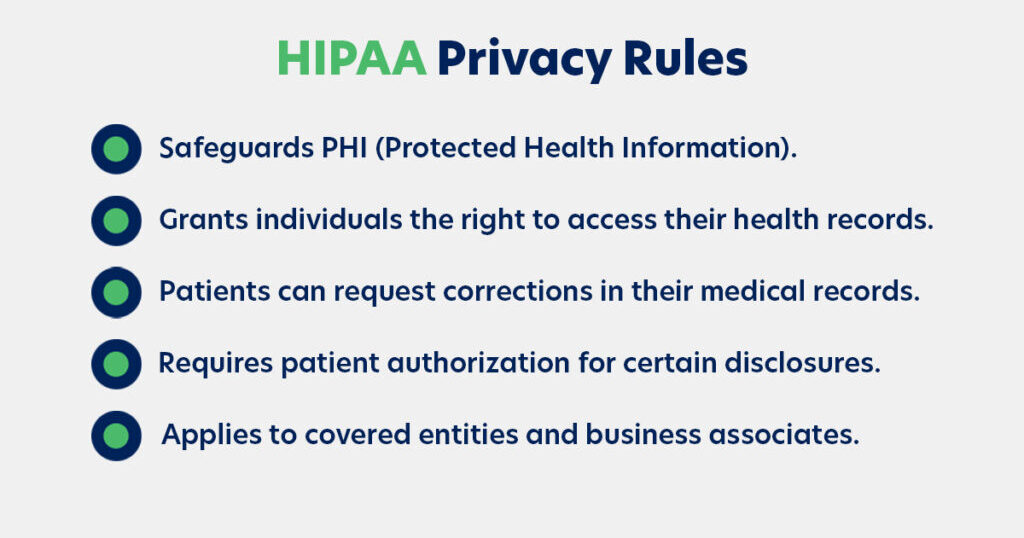
The HIPAA Privacy Rule is a federal regulation established under the Health Insurance Portability and Accountability Act (HIPAA) of 1996.
The primary purpose of the HIPAA Privacy Rule is to protect individuals’ protected health information (PHI) while allowing the flow of healthcare information necessary to provide quality care and administer healthcare services.
The HIPAA Privacy Rule governs how healthcare organizations collect, use, disclose, store, and protect patient information.
Protected health information may include:
- Patient names
- Addresses
- Telephone numbers
- Social Security numbers
- Medical records
- Insurance information
- Billing data
- Treatment histories
The HIPAA Privacy Rule applies regardless of whether the information exists in paper, electronic, or verbal form.
Why the HIPAA Privacy Rule Matters
The HIPAA Privacy Rule plays a critical role in protecting patient trust and maintaining healthcare integrity.
Healthcare organizations handle highly sensitive information. Without the HIPAA Privacy Rule, patients might hesitate to share important medical information with providers.
Key reasons why the HIPAA Privacy Rule matters include:
- Protecting patient confidentiality
- Preventing unauthorized disclosures
- Enhancing trust in healthcare systems
- Supporting ethical healthcare practices
- Reducing privacy-related risks
Compliance with the HIPAA Privacy Rule helps healthcare organizations demonstrate accountability and professionalism.
Key Components of the HIPAA Privacy Rule
Understanding the major components of the HIPAA Privacy Rule is essential for compliance.
Protected Health Information (PHI)
The HIPAA Privacy Rule protects individually identifiable health information that relates to:
- Medical conditions
- Healthcare services
- Healthcare payments
Permitted Uses and Disclosures
The HIPAA Privacy Rule allows healthcare organizations to use and disclose PHI for:
- Treatment
- Payment
- Healthcare operations
Additional disclosures generally require patient authorization.
Minimum Necessary Standard
A critical requirement of the HIPAA Privacy Rule is limiting access to only the information necessary to perform a specific task.
Notice of Privacy Practices
Healthcare providers must provide patients with a notice explaining how their information may be used under the HIPAA Privacy Rule.
Patient Rights Under the HIPAA Privacy Rule
One of the most significant aspects of the HIPAA Privacy Rule is the protection of patient rights.
Right to Access Records
Patients may inspect and obtain copies of their health records as permitted by the HIPAA Privacy Rule.
Right to Request Amendments
Patients can request corrections to inaccurate information maintained under the HIPAA Privacy Rule.
Right to Request Restrictions
The HIPAA Privacy Rule allows patients to request limitations on certain disclosures.
Right to Confidential Communications
Patients may request alternative communication methods to enhance privacy.
Right to Receive an Accounting of Disclosures
The HIPAA Privacy Rule provides patients with information about certain disclosures of their health data.
Powerful Benefits of the HIPAA Privacy Rule
The HIPAA Privacy Rule offers numerous benefits to patients and healthcare organizations.
Enhanced Patient Trust
Patients are more likely to seek treatment when they know the HIPAA Privacy Rule protects their information.
Improved Data Security
The HIPAA Privacy Rule promotes secure handling of sensitive information.
Reduced Legal Risks
Compliance with the HIPAA Privacy Rule helps minimize legal exposure and regulatory penalties.
Better Organizational Accountability
Healthcare organizations develop stronger privacy practices through adherence to the HIPAA Privacy Rule.
Increased Operational Efficiency
Standardized privacy procedures improve workflow consistency and compliance efforts.
Stronger Reputation
Organizations that follow the HIPAA Privacy Rule demonstrate professionalism and commitment to patient care.
HIPAA-Privacy Rule and Medical Billing
For medical billing companies like Icon Billing LLC, the HIPAA-Privacy Rule is especially important.
Medical billing operations routinely handle protected health information, including:
- Patient demographics
- Insurance information
- Claim data
- Treatment records
- Payment details
The HIPAA-Privacy Rule requires billing companies to safeguard this information through secure processes and policies.
Key compliance responsibilities include:
- Access controls
- Employee training
- Secure data transmission
- Confidential record management
- Business associate agreements
Proper adherence to the HIPAA-Privacy Rule helps prevent unauthorized disclosures and supports revenue cycle integrity.
Common HIPAA-Privacy Rule Violations
Despite widespread awareness, healthcare organizations continue to experience violations of the HIPAA-Privacy Rule.
Unauthorized Access
Viewing patient information without a legitimate business purpose violates the HIPAA-Privacy Rule.
Improper Disclosure
Sharing PHI with unauthorized individuals can result in significant penalties.
Lost or Stolen Devices
Unsecured laptops, smartphones, and storage devices may expose organizations to HIPAA-Privacy Rule violations.
Lack of Employee Training
Insufficient training often contributes to accidental privacy breaches.
Weak Security Measures
Failure to implement appropriate safeguards can compromise compliance with the HIPAA-Privacy Rule.
HIPAA-Privacy Rule Compliance Best Practices
Healthcare organizations can strengthen compliance through several proven strategies.
Conduct Regular Risk Assessments
Evaluating privacy risks helps identify vulnerabilities related to the HIPAA-Privacy Rule.
Train Employees Frequently
Ongoing education ensures staff understand HIPAA-Privacy Rule requirements.
Implement Access Controls
Restricting information access supports compliance and minimizes risk.
Maintain Updated Policies
Organizations should regularly review privacy policies aligned with the HIPAA-Privacy Rule.
Monitor Vendor Compliance
Business associates handling PHI must also comply with the HIPAA-Privacy Rule.
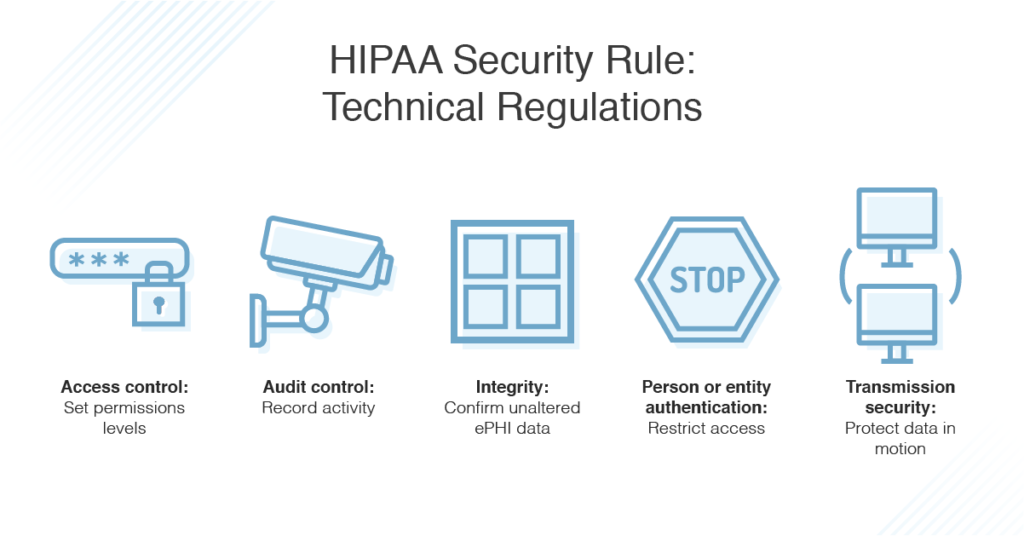
The Relationship Between the HIPAA-Privacy Rule and the HIPAA Security Rule
Many healthcare professionals confuse the HIPAA-Privacy Rule with the HIPAA Security Rule.
While both regulations support patient privacy, they serve different functions.
| HIPAA-Privacy Rule | HIPAA Security Rule |
|---|---|
| Governs use and disclosure of PHI | Protects electronic PHI |
| Applies to all PHI formats | Applies only to electronic data |
| Focuses on privacy rights | Focuses on security safeguards |
Together, these regulations create a comprehensive framework for protecting patient information.
How Icon Billing LLC Supports HIPAA-Privacy Rule Compliance
At Icon Billing LLC, protecting patient information is a top priority.
Our team supports healthcare providers by:
- Following strict privacy protocols
- Maintaining secure billing systems
- Training staff on compliance requirements
- Protecting sensitive patient data
- Implementing secure claim submission processes
- Supporting regulatory compliance initiatives
By integrating HIPAA-Privacy Rule principles into every aspect of our operations, we help healthcare providers maintain trust and regulatory compliance.
The Future of HIPAA-Privacy Rule Compliance
Healthcare technology continues to evolve rapidly.
Emerging trends influencing the HIPAA-Privacy Rule include:
- Telehealth expansion
- Cloud-based healthcare systems
- Artificial intelligence applications
- Mobile health technologies
- Enhanced cybersecurity requirements
As healthcare becomes increasingly digital, compliance with the HIPAA-Privacy Rule will remain more important than ever.
Organizations that proactively strengthen privacy programs will be better positioned to manage future regulatory and operational challenges.
Frequently Asked Questions
What is the HIPAA-Privacy Rule?
The HIPAA-Privacy Rule is a federal regulation that protects patients’ health information and establishes standards for its use and disclosure.
Who must comply with the HIPAA-Privacy Rule?
Healthcare providers, health plans, healthcare clearinghouses, and business associates must comply with the HIPAA-Privacy Rule.
What information is protected under the HIPAA-Privacy Rule?
Protected health information includes medical records, billing information, demographic data, and other identifiable health information.
What happens if the HIPAA-Privacy Rule is violated?
Violations may result in fines, corrective actions, legal consequences, and reputational damage.
Does the HIPAA-Privacy Rule apply to medical billing companies?
Yes. Medical billing companies handling protected health information must comply with the HIPAA-Privacy Rule.
Why is employee training important?
Proper training helps reduce the risk of accidental violations and strengthens overall HIPAA-Privacy Rule compliance.
Conclusion
The HIPAA-Privacy Rule serves as a cornerstone of healthcare privacy and patient protection. By establishing clear standards for the use, disclosure, and safeguarding of health information, the HIPAA-Privacy Rule promotes trust, accountability, and ethical healthcare practices.
For healthcare providers and medical billing organizations, compliance with the HIPAA-Privacy Rule is not merely a regulatory obligation—it is a commitment to protecting patients and maintaining professional integrity.
At Icon Billing LLC, we understand the importance of safeguarding sensitive healthcare information. Through secure billing practices, compliance-focused operations, and ongoing privacy awareness, we help healthcare organizations navigate the complexities of the HIPAA-Privacy Rule while optimizing their revenue cycle performance.