Medicare and Medicaid: Everything Healthcare Providers and Patients Need to Know
Healthcare coverage programs play a critical role in the United States healthcare system, especially for seniors, low-income families, disabled individuals, and vulnerable populations. Two of the most important government healthcare programs are Medicare and Medicaid. Although many people use these terms interchangeably, the programs differ significantly in eligibility rules, coverage structures, funding, billing procedures, and reimbursement systems.
For healthcare providers, understanding Medicare and Medicaid is essential for maintaining compliance, improving claim approvals, reducing denied reimbursements, and ensuring patients receive proper care coverage. Billing errors involving government healthcare programs can quickly create financial losses, administrative stress, and compliance risks for medical practices.
At Icon Billing LLC, we help healthcare organizations navigate the complexities of medical billing, revenue cycle management, insurance verification, and compliance support. In this comprehensive guide, we’ll explain how Medicare and Medicaid work, the key differences between them, common billing challenges, provider responsibilities, and best practices for improving reimbursement efficiency.

What Are Medicare and Medicaid?
Medicare and Medicaid are government healthcare programs designed to provide medical coverage for different groups of individuals throughout the United States.
Although both programs support healthcare access, they serve different populations and operate under different funding structures.
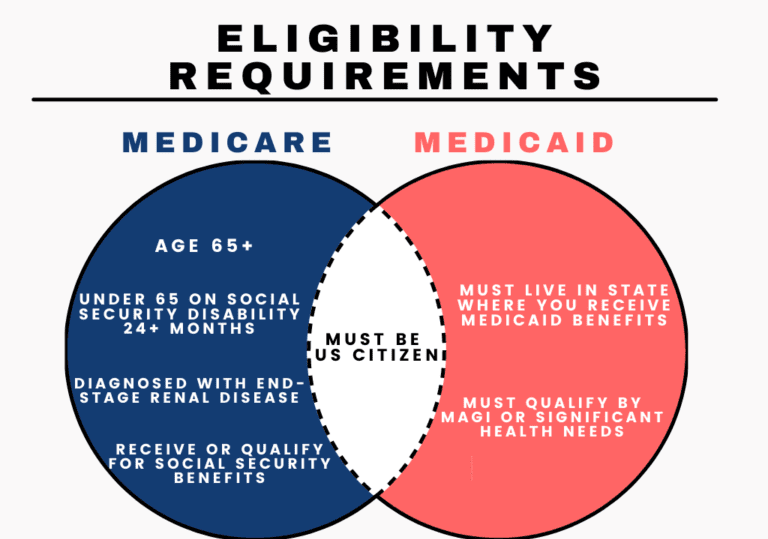
What Is Medicare?
Medicare is a federal healthcare program primarily serving:
- Individuals age 65 and older
- Certain younger individuals with disabilities
- Patients with end-stage renal disease
What Is Medicaid?
Medicaid is a joint federal and state healthcare program assisting:
- Low-income individuals
- Families with limited income
- Disabled individuals
- Pregnant women
- Seniors requiring long-term care
Understanding the distinction between Medicare and Medicaid is critical for healthcare providers managing insurance claims and reimbursement procedures.
Key Differences Between Medicare and Medicaid
Many patients and even healthcare administrators confuse Medicare and Medicaid because both programs provide government-supported healthcare coverage. However, their structures differ considerably.
| Feature | Medicare | Medicaid |
|---|---|---|
| Program Type | Federal program | Federal and state partnership |
| Main Population | Seniors and disabled | Low-income individuals |
| Funding | Federal government | Federal and state governments |
| Eligibility Basis | Age/disability | Income and financial need |
| Coverage Rules | National standards | State-specific rules |
Healthcare providers must understand these differences because billing requirements, reimbursement procedures, and compliance standards vary between Medicare and Medicaid programs.
Why Medicare and Medicaid Matter for Healthcare Providers
Healthcare organizations across the United States depend heavily on reimbursements from Medicare and Medicaid programs.
For many providers, these programs represent a substantial portion of total revenue.
Medical practices serving seniors, low-income patients, and disabled populations frequently process large volumes of government healthcare claims.
Accurate management of Medicare and Medicaid billing helps providers:
- Reduce denied claims
- Improve cash flow
- Maintain compliance
- Increase reimbursement efficiency
- Improve patient satisfaction
Improper billing procedures involving Medicare and Medicaid may lead to:
| Billing Problem | Potential Consequence |
|---|---|
| Coding Errors | Claim denials |
| Missing Documentation | Delayed reimbursements |
| Eligibility Mistakes | Coverage disputes |
| Compliance Violations | Financial penalties |
| Duplicate Billing | Audit exposure |
At Icon Billing LLC, we help healthcare providers improve billing accuracy and reduce administrative burdens associated with government healthcare programs.
Medicare Coverage Overview
Medicare coverage consists of several separate components, each addressing different healthcare needs.
Medicare Part A
Part A generally covers:
- Hospital stays
- Skilled nursing care
- Hospice services
- Certain home healthcare
Medicare Part B
Part B commonly includes:
- Physician services
- Outpatient care
- Preventive services
- Medical equipment
Medicare Part C
Also known as Medicare Advantage, Part C combines coverage through private insurance plans approved by Medicare.
Medicare Part D
Part D primarily covers prescription medications.
Healthcare providers must understand how these components affect Medicare and Medicaid reimbursement procedures and patient eligibility verification.
Medicaid Coverage Overview
Unlike Medicare, Medicaid programs vary significantly from state to state.
State Medicaid programs may cover:
- Physician visits
- Hospital services
- Prescription drugs
- Long-term care
- Behavioral health services
- Preventive care
Eligibility standards for Medicare and Medicaid programs differ substantially because Medicaid primarily evaluates financial need.
Many states expanded Medicaid eligibility under the Affordable Care Act, increasing healthcare access for low-income adults.
Healthcare providers serving Medicaid populations must remain familiar with local state regulations, reimbursement schedules, and authorization requirements.
Dual Eligibility: Patients With Medicare and Medicaid
Some individuals qualify for both Medicare and Medicaid simultaneously. These individuals are commonly referred to as “dual eligible” beneficiaries.
Dual eligibility often applies to:
- Low-income seniors
- Disabled individuals with financial limitations
In dual eligibility situations:
- Medicare usually acts as the primary payer
- Medicaid may cover additional expenses
Potentially covered costs may include:
- Copayments
- Deductibles
- Long-term care services
Managing dual eligibility billing can become highly complex for healthcare providers because claim coordination rules vary depending on services and patient coverage structures.
Professional billing support helps providers navigate Medicare and Medicaid coordination requirements more effectively.
Common Medicare and Medicaid Billing Challenges
Billing government healthcare programs requires strict compliance with coding, documentation, and reimbursement guidelines.
Common challenges involving Medicare and Medicaid include:
Eligibility Verification Errors
Coverage status changes may affect reimbursement eligibility.
Authorization Requirements
Certain Medicaid services require prior authorization approval.
Coding Mistakes
Improper coding often triggers denials or audits.
Timely Filing Deadlines
Late claim submissions may result in nonpayment.
Documentation Deficiencies
Incomplete records increase compliance risks.
Coordination of Benefits Problems
Dual eligibility claims may involve multiple payer systems.
At Icon Billing LLC, we help healthcare organizations reduce these billing challenges through professional revenue cycle management solutions.
How Medicare and Medicaid Affect Revenue Cycle Management
Strong revenue cycle management is essential for providers processing high volumes of Medicare and Medicaid claims.
Effective revenue cycle systems help organizations:
| Revenue Cycle Benefit | Positive Outcome |
|---|---|
| Faster Claims Processing | Improved cash flow |
| Reduced Denials | Higher reimbursement rates |
| Better Eligibility Verification | Fewer billing disputes |
| Improved Documentation | Stronger compliance |
| Efficient Follow-Up | Reduced aging accounts |
Healthcare organizations struggling with billing inefficiencies may experience significant financial instability due to delayed government reimbursements.
Professional billing support helps providers optimize Medicare and Medicaid claim management while reducing administrative burdens.
Compliance Requirements for Medicare and Medicaid
Government healthcare programs enforce strict compliance standards to prevent fraud, abuse, and improper billing.
Healthcare providers participating in Medicare and Medicaid programs must comply with:
- HIPAA regulations
- CMS billing rules
- Documentation standards
- Anti-fraud laws
- Coding guidelines
Failure to maintain compliance may result in:
Financial Penalties
Improper billing can trigger costly fines.
Audits
Government agencies may review suspicious claims activity.
Reimbursement Recoupments
Overpayments may require repayment.
Program Exclusion
Serious violations may affect provider participation status.
Healthcare organizations should maintain strong compliance programs supporting accurate Medicare and Medicaid billing practices.
How Technology Improves Medicare and Medicaid Billing
Modern billing technology has significantly improved healthcare claims management for providers processing Medicare and Medicaid reimbursements.
Technology solutions may include:
Electronic Eligibility Verification
Faster confirmation of patient coverage.
Automated Claims Scrubbing
Software identifies errors before claim submission.
Revenue Cycle Analytics
Performance tracking improves financial decision-making.
Electronic Health Record Integration
Improved documentation accuracy supports compliance.
Denial Management Systems
Organizations can track recurring claim issues more effectively.
At Icon Billing LLC, we help providers leverage advanced billing technologies to streamline operations and improve reimbursement efficiency.
Why Outsourcing Medicare and Medicaid Billing Helps Providers
Many healthcare organizations choose to outsource Medicare and Medicaid billing because internal administrative demands continue growing more complex.
Benefits of outsourcing include:
- Reduced administrative workload
- Improved billing accuracy
- Faster reimbursement cycles
- Enhanced compliance support
- Lower staffing burdens
Professional billing companies specialize in navigating constantly changing government healthcare regulations.
At Icon Billing LLC, our experienced billing specialists help providers improve claim approvals while reducing operational stress associated with Medicare and Medicaid reimbursement systems.
Future Trends Affecting Medicare and Medicaid
Healthcare reimbursement systems continue evolving rapidly nationwide.
Future developments involving Medicare and Medicaid may include:
Expanded Telehealth Coverage
Remote healthcare services may continue growing.
Increased Value-Based Care Models
Reimbursements may depend more heavily on patient outcomes.
Enhanced Fraud Prevention Systems
Government oversight may become stricter.
Greater Technology Integration
Automation and AI may improve claims management processes.
Healthcare providers that proactively adapt to these changes will likely remain more financially stable and operationally efficient.
For official program information, providers can visit Centers for Medicare & Medicaid Services (CMS)
Frequently Asked Questions About Medicare & Medicaid
What is the difference between Medicare & Medicaid?
Medicare & Medicaid serve different populations. Medicare mainly supports seniors and disabled individuals, while Medicaid primarily assists low-income individuals and families.
Can someone qualify for both Medicare & Medicaid?
Yes. Some individuals qualify for both programs simultaneously and are considered dual eligible beneficiaries.
Why are Medicare & Medicaid billing rules complicated?
Government healthcare programs enforce strict compliance, coding, and reimbursement requirements that vary depending on services and patient eligibility.
Does Medicaid coverage vary by state?
Yes. Medicaid programs are administered jointly by federal and state governments, creating state-specific coverage differences.
How can providers reduce Medicare & Medicaid claim denials?
Accurate coding, eligibility verification, documentation, and compliance management help reduce denials significantly.
Why do providers outsource Medicare & Medicaid billing?
Outsourcing improves billing accuracy, reduces administrative burdens, and increases reimbursement efficiency.
Conclusion
Understanding Medicare & Medicaid is essential for healthcare providers, billing professionals, and patients navigating today’s complex healthcare environment. Although both programs provide critical healthcare coverage for millions of Americans, their eligibility standards, reimbursement structures, and billing requirements differ significantly.
Healthcare organizations processing Medicare & Medicaid claims must maintain accurate documentation, proper coding, strong compliance systems, and efficient revenue cycle management practices to avoid denied claims and financial risks.
At Icon Billing LLC, we are committed to helping healthcare providers streamline billing operations, improve reimbursement accuracy, reduce administrative stress, and maintain regulatory compliance. Our experienced team specializes in supporting medical practices with customized billing solutions designed to strengthen financial performance and operational efficiency in an increasingly complex healthcare industry.