Introduction
Accurate medical coding plays a vital role in healthcare reimbursement, compliance, and patient record management. Among cardiac-related conditions, sick sinus syndrome icd 10 coding is especially important because errors can lead to denied claims, delayed reimbursements, and documentation complications. Healthcare providers, coders, and billing professionals must fully understand how sick sinus syndrome icd 10 guidelines apply to diagnosis reporting and insurance submissions.
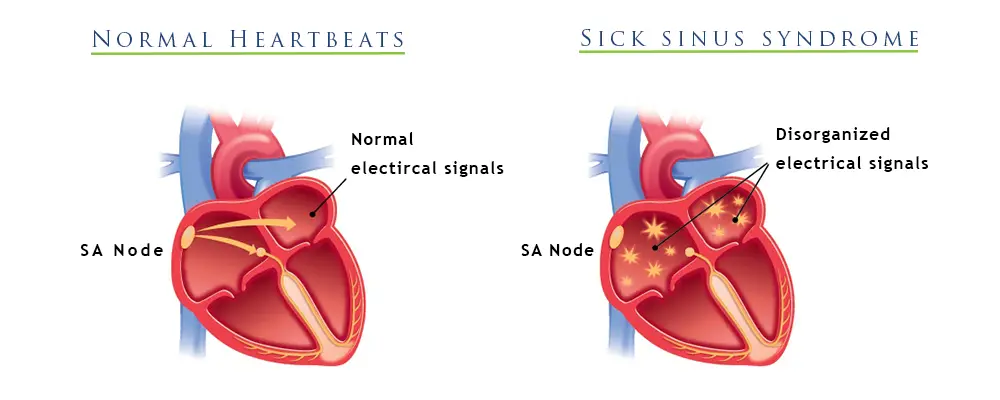
Sick sinus syndrome is a heart rhythm disorder involving malfunction of the sinus node, which regulates the heartbeat. Patients with this condition may experience irregular heart rhythms, dizziness, fatigue, fainting, and serious cardiovascular complications. Proper diagnosis documentation and precise sick sinus syndrome icd 10 coding are essential for accurate treatment planning and healthcare administration.
As healthcare regulations continue evolving, providers need dependable billing and coding processes to maintain compliance and financial stability. Understanding the complexities surrounding sick sinus syndrome icd 10 coding can help medical practices reduce claim rejections while improving operational efficiency.
In this comprehensive guide, we’ll explore the meaning of sick sinus syndrome, symptoms, diagnosis, treatment options, billing considerations, documentation requirements, and best practices for using sick sinus syndrome icd 10 codes correctly.
Understanding Sick Sinus Syndrome ICD 10
What Is Sick Sinus Syndrome?
Sick sinus syndrome is a group of heart rhythm disorders caused by dysfunction of the sinus node, the heart’s natural pacemaker. This condition interferes with the heart’s ability to maintain a normal rhythm.
Patients with sick sinus syndrome may develop:
- Abnormally slow heartbeats
- Pauses in heartbeat activity
- Alternating fast and slow rhythms
- Irregular cardiac conduction patterns
The condition is more common among older adults but may also occur in younger individuals with underlying heart disease or certain medical conditions.
In medical billing and coding, proper identification of sick sinus syndrome icd 10 classifications ensures accurate diagnosis reporting and treatment reimbursement.
Sick Sinus Syndrome ICD 10 Code Overview
The primary sick sinus syndrome icd 10 diagnosis code is:
| ICD-10 Code | Description |
|---|---|
| I49.5 | Sick sinus syndrome |
The sick sinus syndrome icd 10 code falls under cardiac arrhythmia classifications within the ICD-10-CM system.
Healthcare providers must ensure clinical documentation clearly supports the diagnosis before assigning the code. Accurate coding improves claim processing and minimizes compliance risks.
Common Symptoms Associated With Sick Sinus Syndrome
Early Symptoms and Warning Signs
Many patients diagnosed with sick sinus syndrome experience symptoms related to reduced blood flow caused by abnormal heart rhythms.
Common symptoms include:
- Fatigue
- Dizziness
- Fainting episodes
- Chest discomfort
- Shortness of breath
- Palpitations
- Confusion
Because symptoms may resemble other cardiovascular conditions, physicians rely on detailed evaluations before assigning sick sinus syndrome icd 10 documentation.
Some patients remain asymptomatic for long periods, making diagnosis more challenging.
Advanced Complications
If untreated, sick sinus syndrome may contribute to serious complications involving cardiac function and circulation.
Potential complications include:
| Complication | Risk |
|---|---|
| Heart failure | Reduced cardiac output |
| Stroke | Blood clot formation |
| Syncope | Increased fall risk |
| Atrial fibrillation | Irregular heart rhythm |
Accurate sick sinus syndrome icd 10 coding becomes even more important when documenting associated complications or secondary diagnoses.
Timely diagnosis and treatment help reduce long-term cardiovascular risks.
Diagnosing Sick Sinus Syndrome ICD 10 Cases
Medical Evaluation and Testing
Diagnosing sick sinus syndrome requires comprehensive cardiovascular assessment.
Healthcare providers may use:
- Electrocardiograms (ECG)
- Holter monitoring
- Event recorders
- Stress testing
- Echocardiography
- Electrophysiology studies
These tests help physicians confirm rhythm abnormalities and support the assignment of sick sinus syndrome icd 10 coding.
Detailed documentation should include:
- Symptom history
- Diagnostic findings
- Rhythm irregularities
- Treatment recommendations
Strong clinical documentation improves coding accuracy and reimbursement reliability.
Importance of Accurate Documentation
One of the most critical components of sick sinus syndrome icd 10 coding is provider documentation.
Incomplete records can lead to:
- Claim denials
- Insurance audits
- Coding inaccuracies
- Delayed reimbursements
- Compliance concerns
Documentation should clearly identify the diagnosis, supporting symptoms, diagnostic evidence, and treatment plans.
Medical coders should never assume diagnoses without physician confirmation.
Treatment Options for Sick Sinus Syndrome
Medications and Monitoring
Treatment for sick sinus syndrome depends on symptom severity and rhythm disturbances.
Some patients require only regular monitoring, while others may need medications to control abnormal heart rhythms.
Treatment approaches may include:
- Antiarrhythmic medications
- Blood thinners
- Heart rate management therapies
- Lifestyle modifications
Accurate sick sinus syndrome icd 10 reporting ensures proper reimbursement for related services and follow-up care.
Pacemaker Implantation
Many patients with symptomatic sick sinus syndrome ultimately require pacemaker implantation.
A pacemaker helps regulate heart rhythm by delivering electrical impulses that maintain consistent cardiac activity.
Pacemaker procedures frequently involve:
- Preoperative evaluations
- Device implantation
- Postoperative monitoring
- Long-term follow-up care
Coding professionals handling sick sinus syndrome icd 10 claims must also understand related procedural coding requirements for cardiac device management.
Medical Billing Challenges Related to Sick Sinus Syndrome ICD 10
Common Coding Errors
Medical billing professionals frequently encounter challenges involving cardiovascular diagnosis coding.
Common sick sinus syndrome icd 10 coding errors include:
- Incomplete documentation
- Incorrect arrhythmia classification
- Missing supporting diagnoses
- Improper sequencing
- Lack of medical necessity documentation
Even small coding mistakes can result in costly reimbursement delays and compliance risks.
Insurance Claim Denials
Insurance carriers often scrutinize cardiac-related claims carefully due to the complexity of cardiovascular services.
Claims involving sick sinus syndrome icd 10 may face denial because of:
| Denial Cause | Explanation |
|---|---|
| Insufficient documentation | Missing physician notes |
| Medical necessity issues | Unsupported procedures |
| Incorrect coding | Wrong diagnosis assignment |
| Missing modifiers | Incomplete billing details |
Implementing strong coding review processes helps reduce these problems significantly.
Compliance and Documentation Best Practices
Maintaining Coding Compliance
Healthcare organizations must follow strict coding compliance standards when using sick sinus syndrome icd 10 diagnoses.
Compliance strategies include:
- Ongoing coder education
- Internal audits
- Physician documentation improvement
- Regular coding updates
- Insurance policy reviews
Maintaining coding accuracy protects healthcare providers from financial penalties and regulatory issues.
Importance of Revenue Cycle Management
Efficient revenue cycle management directly impacts healthcare profitability and operational performance.
Accurate sick sinus syndrome icd 10 coding contributes to:
- Faster claim approvals
- Reduced accounts receivable delays
- Better reimbursement rates
- Lower denial percentages
- Improved patient record accuracy
Professional billing support services help practices streamline these processes effectively.
At Icon Billing LLC, healthcare providers can access specialized medical billing and coding support designed to improve reimbursement accuracy and reduce administrative burdens.
Technology and Automation in ICD-10 Coding
How Technology Improves Coding Accuracy
Modern healthcare technology helps coders manage complex diagnoses such as sick sinus syndrome icd 10 more efficiently.
Advanced billing software can assist with:
- Automated code suggestions
- Claim validation
- Documentation review
- Compliance alerts
- Revenue tracking
Technology reduces manual errors while improving workflow productivity.
The Role of Certified Medical Coders
Despite automation advances, certified coders remain essential for interpreting clinical documentation accurately.
Experienced coders understand:
- ICD-10 guidelines
- Insurance requirements
- Cardiology terminology
- Documentation standards
- Regulatory compliance
Human expertise remains critical for proper sick sinus syndrome icd 10 coding and healthcare claim management.
Frequently Asked Questions About Sick Sinus Syndrome ICD 10
What is the ICD-10 code for sick sinus syndrome?
The primary sick sinus syndrome icd 10 code is I49.5.
What causes sick sinus syndrome?
The condition is usually caused by malfunction of the heart’s sinus node, often related to aging or underlying heart disease.
What symptoms are associated with sick sinus syndrome?
Common symptoms include dizziness, fatigue, fainting, palpitations, and shortness of breath.
Why is accurate sick sinus syndrome ICD 10 coding important?
Proper coding ensures accurate reimbursement, compliance, and complete patient medical records.
Can sick sinus syndrome require a pacemaker?
Yes. Many symptomatic patients require pacemaker implantation to regulate heart rhythm.
What documentation supports sick sinus syndrome ICD 10 coding?
Documentation should include physician diagnosis, symptoms, diagnostic test results, and treatment plans.
How can medical billing companies help with sick sinus syndrome ICD 10 claims?
Professional billing companies improve coding accuracy, reduce claim denials, and streamline reimbursement processes.
Conclusion
Understanding sick sinus syndrome icd 10 coding is essential for healthcare providers, medical coders, and billing professionals managing cardiovascular claims. Accurate diagnosis documentation, proper coding practices, and strong compliance procedures help reduce denials while improving reimbursement outcomes.
Because sick sinus syndrome involves complex cardiac rhythm abnormalities, providers must carefully document symptoms, diagnostic findings, and treatment plans to support medical necessity. Proper use of sick sinus syndrome icd 10 classifications also contributes to better patient record management and healthcare coordination.
As healthcare regulations continue evolving, organizations that prioritize accurate coding, efficient billing workflows, and professional revenue cycle management will remain better positioned for long-term operational success.