
Introduction
In the complex world of healthcare billing, accuracy and compliance are everything. One essential tool that healthcare providers and billing professionals rely on is the nppes npi registry. Whether you’re a physician, clinic owner, or medical billing specialist, understanding how the nppes npi registry works can make a significant difference in your operational efficiency.
The nppes npi registry is a centralized database that stores National Provider Identifier (NPI) information for healthcare providers across the United States. It plays a crucial role in ensuring accurate billing, provider identification, and regulatory compliance.
Despite its importance, many professionals either misunderstand or underutilize the nppes npi registry, leading to costly errors and claim denials. In this comprehensive guide, we’ll explore everything you need to know about the nppes npi registry, including how it works, why it matters, and how to use it effectively.
What Is the nppes npi registry and How Does It Work?
The nppes npi registry is an online system managed by the Centers for Medicare & Medicaid Services (CMS). It allows users to search for healthcare providers using their NPI numbers or other identifying details.
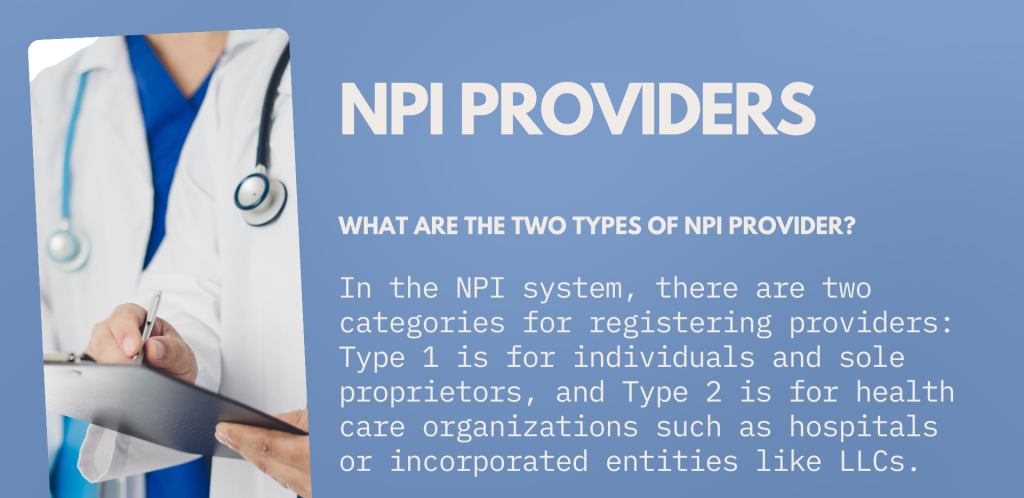
At its core, the nppes npi registry serves as a public directory of healthcare providers. Each provider is assigned a unique NPI number, which is used in all healthcare transactions, including billing and claims processing.
When you access the nppes npi registry, you can retrieve important details such as provider name, specialty, practice location, and taxonomy codes. This information is critical for verifying provider credentials and ensuring accurate billing submissions.
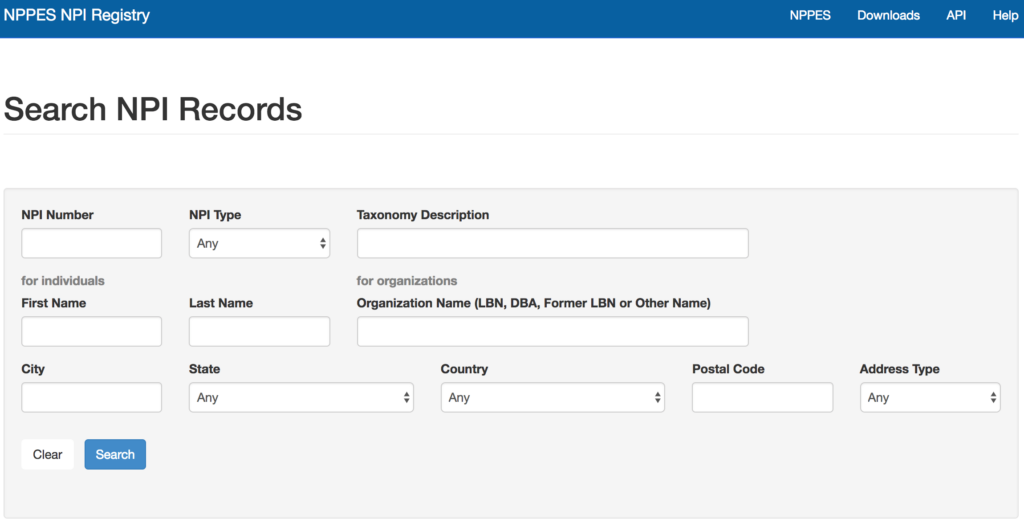
Using the nppes npi registry is straightforward. Users can search by NPI number, provider name, or organization name. The system then displays relevant results, making it easy to confirm provider information.
Understanding how the nppes npi registry works is the first step toward reducing billing errors and improving efficiency in your practice.
Why the nppes npi registry Is Critical for Medical Billing
The nppes npi registry plays a vital role in medical billing by ensuring that provider information is accurate and up to date. Without it, billing errors would be far more common.
One of the main benefits of the nppes npi registry is that it helps prevent claim rejections. Incorrect or outdated provider information can lead to denied claims, delayed payments, and financial losses.
The nppes npi registry also supports compliance with federal regulations. Healthcare providers are required to use NPIs in all HIPAA-covered transactions, making the registry an essential compliance tool.
Another advantage of the nppes npi registry is that it improves transparency. Patients, insurers, and healthcare organizations can all access provider information بسهولة, ensuring trust and accountability.
For medical billing companies like Icon Billing LLC, the nppes npi registry is an indispensable resource for maintaining accuracy and efficiency.
Common Mistakes When Using the nppes npi registry
While the nppes npi registry is a powerful tool, it’s not immune to user error. Many billing professionals make mistakes that can lead to serious consequences.
One common mistake is failing to verify provider information regularly. The nppes npi registry is updated frequently, and outdated data can cause billing issues.
Another issue is entering incorrect search criteria. Even a small typo can result in inaccurate results when using the nppes npi registry.
Some users also overlook taxonomy codes, which are essential for identifying provider specialties. Ignoring this detail in the nppes npi registry can lead to claim denials.
Additionally, relying solely on internal records instead of cross-checking with the nppes npi registry can create discrepancies.
Avoiding these mistakes can help you get the most out of the nppes npi registry and minimize errors.
Step-by-Step Guide to Using the nppes npi registry
Using the nppes-npi registry effectively requires a systematic approach. Here’s how you can do it:
Start by visiting the official website of the nppes-npi registry. From there, you’ll find a search bar where you can enter provider details.
Next, input the provider’s NPI number or name. The nppes-npi registry will generate a list of matching results.
Carefully review the information displayed. Check the provider’s name, address, and taxonomy codes to ensure accuracy.
If you find discrepancies, take steps to update the information. The nppes-npi registry allows authorized users to make corrections.
Finally, document your findings. Keeping records of your nppes-npi registry searches can help maintain consistency in your billing process.
Following these steps will help you use the nppes-npi registry with confidence and precision.
Best Practices for Managing nppes-npi registry Data
To maximize the benefits of the nppes-npi registry, it’s important to adopt best practices.
First, integrate the nppes-npi registry into your daily workflow. Regular use ensures that your data remains accurate.
Second, train your staff on how to use the nppes-npi registry effectively. A knowledgeable team reduces the risk of errors.
Third, perform routine audits. Checking your records against the nppes-npi registry can help identify inconsistencies.
Fourth, leverage technology. Many billing systems can integrate with the nppes-npi registry, streamlining the verification process.
Finally, stay informed about updates. The nppes-npi registry evolves over time, and staying current ensures compliance.
These practices will help you maintain a reliable and efficient system.
Benefits of Using the nppes-npi registry for Healthcare Providers
The nppes-npi registry offers numerous advantages for healthcare providers and billing professionals.
One major benefit is improved accuracy. By verifying provider information through the nppes-npi registry, you can reduce errors and claim denials.
Another advantage is time savings. The nppes-npi registry simplifies the process of finding and confirming provider details.
The system also enhances compliance. Using the nppes-npi registry ensures that you meet regulatory requirements.
Additionally, the nppes-npi registry supports better communication between providers and insurers. Accurate data leads to smoother transactions.
Overall, the nppes-npi registry is a valuable tool that can significantly improve your operations.
FAQs
What is the nppes-npi registry used for?
The nppes-npi registry is used to verify healthcare provider information and NPI numbers.
Who manages the nppes-npi registry?
The nppes-npi registry is managed by the Centers for Medicare & Medicaid Services (CMS).
Is the nppes-npi registry free to use?
Yes, the nppes-npi registry is publicly accessible and free to use.
How often is the nppes-npi registry updated?
The nppes-npi registry is updated regularly as providers make changes to their information.
Can providers update their information in the nppes-npi registry?
Yes, authorized users can update their details in the nppes-npi registry.
Why is the nppes-npi registry important for billing?
The nppes-npi registry ensures accurate provider data, reducing claim denials and improving compliance.
Conclusion
The nppes-npi registry is a cornerstone of modern medical billing and provider verification. By understanding how to use it effectively, you can avoid costly mistakes, improve accuracy, and ensure compliance with healthcare regulations.
For healthcare providers and billing companies like Icon Billing LLC, leveraging the nppes-npi registry is not just a best practice—it’s a necessity. With the right approach, this powerful tool can transform your billing operations and set you up for long-term success.