
Understanding Medicare Parts: Comprehensive Guide to Coverage and Benefits in 2026
As a crucial aspect of the healthcare system in the United States, Medicare provides essential coverage to millions of Americans. However, many individuals find the different Medicare parts confusing. This blog post is here to break down the complexities surrounding the various Medicare parts, covering what each part entails, the eligibility criteria, and how they work together to provide comprehensive healthcare coverage.
In 2026, understanding Medicare parts is more important than ever. This guide will offer a detailed exploration of Medicare Parts A, B, C, and D, providing clarity on the benefits each part offers and how you can best utilize them.
What Are Medicare Parts?
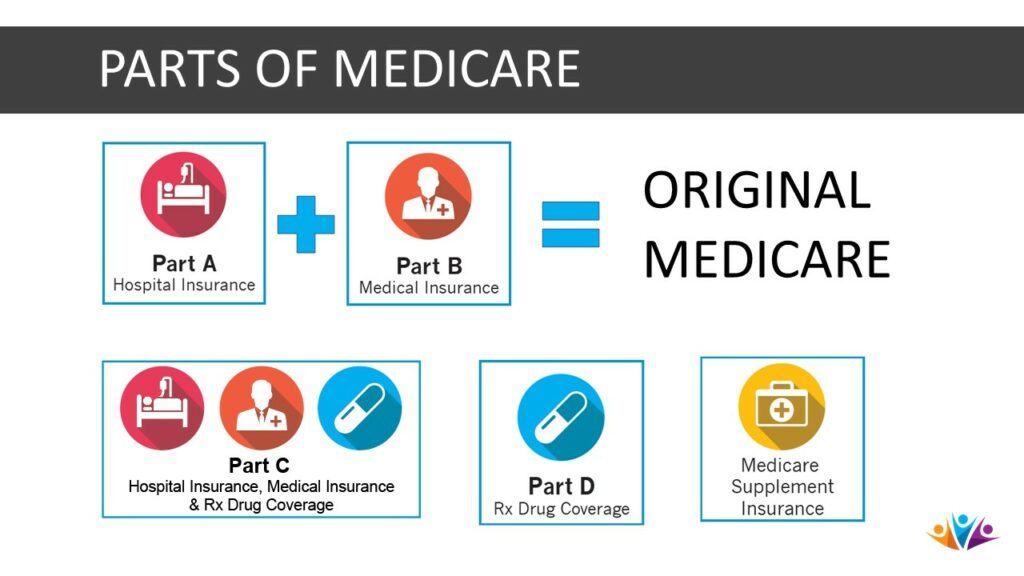
Medicare is divided into four main parts, each of which provides specific healthcare coverage. These parts are:
- Medicare Part A (Hospital Insurance)
- Medicare Part B (Medical Insurance)
- Medicare Part C (Medicare Advantage Plans)
- Medicare Part D (Prescription Drug Coverage)
Each of these Medicare parts is designed to cover different aspects of healthcare needs. Knowing the differences and how to combine them can significantly enhance your healthcare coverage and minimize out-of-pocket costs.
1. Medicare Part A: Hospital Insurance
Medicare Part A is often referred to as hospital insurance. It covers inpatient hospital stays, skilled nursing facility care, hospice care, and some home health care services. Most people do not have to pay a monthly premium for Medicare Part A if they or their spouse have paid Medicare taxes while working.
Coverage under Medicare Part A includes:
- Inpatient hospital stays: This includes care you receive while admitted to a hospital for treatment, including the room, meals, and nursing services.
- Skilled nursing facility care: If you’re discharged from the hospital but still require care, Part A covers skilled nursing services.
- Hospice care: Part A covers palliative care for those with a terminal illness who choose to focus on comfort rather than curative treatment.
- Home health care: Under specific conditions, Part A covers part-time or intermittent home health services, such as physical therapy or skilled nursing.
Costs of Medicare Part A
While many people don’t pay a premium for Part A, it does come with other costs, such as deductibles and coinsurance. For 2026, the deductible for each benefit period is substantial, and the coinsurance costs for extended hospital stays can be significant.
2. Medicare Part B: Medical Insurance
Medicare Part B provides coverage for outpatient care, including doctor’s visits, lab tests, surgeries, durable medical equipment, and certain preventive services like flu shots and cancer screenings.
Coverage under Medicare Part B includes:
- Doctor visits: This includes visits to your primary care physician, specialists, and other healthcare providers.
- Outpatient services: Any services that do not require you to be admitted to a hospital, such as lab tests, X-rays, and certain surgeries.
- Durable medical equipment (DME): This includes items like wheelchairs, walkers, and oxygen tanks.
- Preventive care: Medicare Part B covers a wide range of preventive services to keep you healthy, such as vaccinations, screenings for various diseases, and wellness visits.
Costs of Medicare Part B
Unlike Part A, you do have to pay a monthly premium for Medicare Part B. For 2026, the monthly premium will vary depending on your income. Additionally, there is an annual deductible and coinsurance for many services.
3. Medicare Part C: Medicare Advantage Plans
Medicare Part C, also known as Medicare Advantage, is a private health insurance plan that combines the benefits of Medicare Parts A and B and often includes additional coverage such as prescription drugs (Medicare Part D). These plans are offered by private insurance companies that are approved by Medicare.
Coverage under Medicare Part C includes:
- All benefits of Part A and Part B: Part C plans cover everything that Medicare Parts A and B cover, including hospital stays, doctor visits, and outpatient care.
- Prescription drug coverage: Many Medicare Advantage plans include coverage for prescription drugs, eliminating the need for a separate Part D plan.
- Additional benefits: Some Medicare Advantage plans offer extra benefits like dental care, vision coverage, hearing aids, and wellness programs.
Costs of Medicare Part C
Costs for Medicare Part C plans vary widely depending on the insurer, the plan’s benefits, and the area in which you live. Some plans have low or no premiums, while others may require a higher monthly cost. Additionally, there may be deductibles, copayments, and coinsurance.
4. Medicare Part D: Prescription Drug Coverage
Medicare Part D provides coverage for prescription medications. It is offered through private insurance companies that are approved by Medicare, and you can choose a stand-alone Part D plan or a Medicare Advantage plan that includes prescription drug coverage.
Coverage under Medicare Part D includes:
- Prescription medications: Part D helps pay for the medications you need, whether you’re taking generic drugs, brand-name drugs, or specialty medications.
- Formulary: Each Part D plan has a formulary, which is a list of covered drugs. Be sure to review the plan’s formulary to ensure your medications are covered.
Costs of Medicare Part D
Like Medicare Part B, Medicare Part D requires a monthly premium, and the cost depends on the plan you choose. You may also have to pay a deductible, copayments, and coinsurance.
How to Choose the Right Medicare Parts for Your Needs
When it comes to choosing Medicare parts, there are several factors to consider:
- Your healthcare needs: Assess your current health and determine which services you will likely need. For example, if you have chronic conditions, you may want a Medicare Advantage plan that includes prescription drug coverage.
- Costs: Compare premiums, deductibles, and out-of-pocket costs for each Medicare part to find the most affordable options for your budget.
- Additional benefits: Some Medicare Advantage plans offer extra benefits, such as dental, vision, or hearing coverage, which may be important depending on your needs.
The Importance of Understanding Medicare Parts in 2026
In 2026, Medicare parts are more important than ever due to rising healthcare costs, an aging population, and advancements in medical care. By understanding how each part works and how they fit together, you can make more informed decisions about your healthcare.

Conclusion
Navigating the world of Medicare parts may seem overwhelming, but with the right information, you can make choices that are best for your health and finances. Whether you’re just beginning to explore Medicare or are already enrolled, it’s crucial to understand the benefits of each part and how they can work together to offer you comprehensive coverage.
At Icon Billing LLC, we are dedicated to helping you understand the ins and outs of Medicare parts and how to maximize your benefits. If you need assistance with your medical billing or have any questions about Medicare, don’t hesitate to reach out to us. We’re here to help!