

Understanding HTN ICD 10:
Medical billing professionals play an essential role in ensuring that healthcare providers are compensated for their services. One of the critical aspects of this process is the accurate assignment of codes for diagnoses and treatments. Among the most frequently used codes is the HTN ICD 10 (Hypertension ICD 10) code, which is vital for coding the various forms of hypertension (HTN). Understanding the correct usage of HTN ICD 10 codes can help medical billers avoid costly errors and ensure proper reimbursement.
In this blog post, we’ll break down everything you need to know about HTN ICD 10 codes, including what they represent, why they are crucial, how to assign them correctly, and the impact on medical billing and reimbursement.

What is HTN ICD 10?
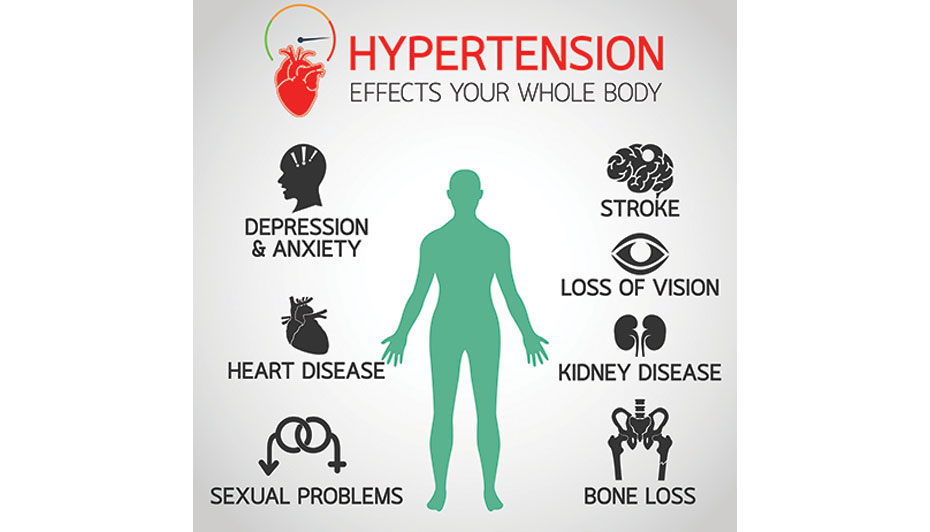
HTN ICD 10 refers to the International Classification of Diseases, 10th Edition (ICD-10) codes that specifically represent hypertension or high blood pressure. Hypertension is a common condition that affects millions of people worldwide, and it can lead to severe complications, including heart disease, stroke, and kidney failure. Correctly using HTN ICD 10 codes is essential for medical billing professionals to ensure that healthcare providers are reimbursed appropriately for the treatment of this chronic condition.
The HTN ICD 10 code helps healthcare professionals communicate a patient’s condition to insurers, ensuring that appropriate coverage is provided for treatment. For medical billers, it is critical to understand the full scope of HTN ICD 10 codes to avoid errors in billing that could lead to claim denials or delayed reimbursements.
Types of Hypertension Codes in ICD 10
In the ICD-10 system, hypertension is classified into different types, and each type has its own specific code. Here are the primary HTN ICD 10 categories:
-
Essential (Primary) Hypertension
Essential hypertension is the most common form of high blood pressure and has no identifiable cause. The code for essential hypertension in ICD-10 is I10.
Example: I10 – Essential Hypertension -
Hypertensive Heart Disease
Hypertensive heart disease occurs when high blood pressure leads to complications such as heart failure or other heart conditions. The code for hypertensive heart disease is I11.
Example: I11.9 – Hypertensive Heart Disease, Unspecified -
Hypertensive Chronic Kidney Disease
This condition occurs when hypertension causes damage to the kidneys. The ICD-10 code for hypertensive kidney disease is I12.
Example: I12.9 – Hypertensive Heart AND Chronic Kidney Disease -
Hypertensive Heart AND Chronic Kidney Disease
When both heart and kidney problems result from hypertension, the ICD-10 code used is I13.
Example: I13.9 – Hypertensive Heart AND Chronic Kidney Disease, Unspecified -
Secondary Hypertension
Secondary hypertension is high blood pressure caused by another underlying health condition, such as kidney disease or hormone problems. The code for secondary hypertension is I15.
Example: I15.9 – Secondary Hypertension, Unspecified
Why HTN ICD 10 Codes Are Critical for Medical Billing
The proper use of HTN ICD 10 codes in medical billing ensures that healthcare providers receive the correct reimbursement for the treatment of hypertension. If the wrong code is used, claims can be delayed, rejected, or denied entirely. It is crucial for medical billers to be familiar with the entire range of HTN ICD 10 codes to avoid such mistakes.
For example, if a patient has essential hypertension and the incorrect code for hypertensive heart disease is assigned, the billing claim may not match the services provided, leading to issues in reimbursement. The key is to be as specific as possible when coding hypertension to ensure that the payer understands the exact diagnosis and treatment required.
How to Use HTN ICD 10 Codes Correctly
For medical billing professionals, correctly using HTN ICD 10 codes is essential to avoid claim denials and ensure timely reimbursements. Here are some tips for correctly assigning these codes:
-
Verify the Diagnosis
Ensure that you have the correct diagnosis from the healthcare provider. If the patient has hypertension, it’s important to determine whether it’s primary hypertension, hypertensive heart disease, or another form. -
Use Specific Codes
The more specific you can be with the HTN ICD 10 code, the better. If the patient has hypertensive heart disease, don’t just use the generic essential hypertension code (I10); instead, use the specific code for hypertensive heart disease (I11) or its subcategories. -
Check for Comorbid Conditions
If the patient has other conditions that are related to hypertension, such as chronic kidney disease, be sure to use the correct combination codes (e.g., I12, I13). -
Review the Documentation
Always review the healthcare provider’s documentation to ensure that it matches the correct ICD-10 code. If there is any ambiguity, ask for clarification from the healthcare provider to ensure accuracy. -
Stay Updated with ICD-10 Changes
ICD-10 codes are updated regularly. Medical billers need to stay informed about these changes and be sure to use the most current codes for hypertension-related diagnoses.
Common Mistakes to Avoid with HTN ICD 10 Coding
While HTN ICD 10 codes are relatively straightforward, there are several common mistakes that medical billing professionals should avoid:
-
Using General Codes
Avoid using general codes, like I10, when more specific codes are available. For example, don’t use I10 for a patient with hypertensive heart disease when I11 should be used. -
Incorrect Comorbidity Coding
If a patient has both hypertension and chronic kidney disease, don’t just code for one condition. Use combination codes like I12.9 to capture both conditions accurately. -
Failure to Code Secondary Hypertension
Secondary hypertension is different from essential hypertension, and using the wrong code can lead to problems with reimbursement. Always ensure that secondary hypertension is correctly identified and coded. -
Not Updating Codes
As the ICD-10 codes are updated, failure to update your coding practices can result in billing errors. Stay current with the latest coding updates from the CDC or other reputable sources.
How HTN ICD 10 Codes Affect Reimbursement
For medical billers, one of the primary concerns is ensuring that the healthcare provider receives appropriate reimbursement for services rendered. HTN ICD 10 codes are pivotal in this process because they help insurers understand the specific care and treatments required for a patient’s condition.
Inaccurate coding of hypertension can lead to claim denials or delays. For example, if a provider is treating a patient for hypertensive heart disease, but the incorrect code is used (e.g., essential hypertension instead of hypertensive heart disease), the insurer may not approve the claim for reimbursement.
Moreover, accurate coding ensures that healthcare providers are reimbursed for all treatments related to hypertension. This includes not only the treatment of the condition itself but also any comorbid conditions, such as heart disease or kidney failure, which may require additional treatments.
Conclusion: Why Accurate HTN ICD 10 Coding Matters
In summary, HTN ICD 10 codes are essential for medical billing professionals to understand, as they ensure accurate diagnosis and treatment coding for hypertension. By using the correct codes, medical billers help healthcare providers get properly reimbursed for the services they offer.
Medical billers should always ensure that they use the most specific HTN ICD 10 codes available, be aware of comorbidities, and stay up-to-date with any coding changes to avoid errors in billing. Accurate HTN ICD 10 coding not only ensures the success of medical billing but also contributes to better patient care and healthcare provider satisfaction.
If you need assistance with HTN ICD 10 coding or any other medical billing services, don’t hesitate to reach out to us at Icon Billing LLC. We specialize in accurate coding and billing practices that ensure you get paid on time and in full.